



This post may contain affiliate links. If you purchase through these links, we may earn a small commission at no additional cost to you. As an Amazon Associate we earn from qualifying purchases.
There’s a very specific kind of tired that comes from trying to “be healthy” while also being a functioning adult.
You’re answering emails, coordinating schedules, keeping other people alive, and somehow still expected to drink enough water and eat vegetables that haven’t gone limp in the crisper drawer.
You start strong, of course.
A shiny new app.
A plan that promises simplicity.
Maybe even a color-coded spreadsheet if you’re feeling optimistic and slightly unhinged.
Then real life shows up.
Two weeks later, the app hasn’t been opened, the plan feels wildly unrealistic, and the spreadsheet is just… sitting there. Watching. Judging.
Here’s the truth we don’t say loudly enough: most women don’t need more discipline. We need better support.
Healthy weight loss isn’t about turning your life upside down or becoming a new personality type. It’s about using tools that quietly make good habits easier—and bad days less likely to spiral into “welp, guess I’ll start over next month.”
Weight loss tools that support healthy habits are the kind of quiet helpers that make healthy choices feel less like a daily battle and more like something you can actually maintain—while still having a life.
What We Mean by “Weight Loss Tools” (And What We Don’t)
Let’s clear something up, because the phrase weight loss tools can sound a little… ominous.
Weight loss tools are not:
- Magic fixes that promise results without effort
- Extreme plans that require monk-level discipline
- Systems that assume you have unlimited time and zero stress
They are:
- Systems that reduce friction
- Supports that encourage consistency
- Gentle nudges that make healthier choices more automatic
Think of them like good bras or reliable sneakers. They don’t do the work for you—but they make everything less uncomfortable. And when something feels less uncomfortable, you’re far more likely to stick with it.
This is one of those categories where investing in the right kind of tool matters more than collecting a dozen mediocre ones.
The right tool should feel like a quiet assistant in the background—not a loud boss yelling reminders every time you sit down.
The Foundation: Tools Should Support Habits, Not Replace Them

Here’s the science-backed reality that doesn’t get enough airtime: long-term weight loss comes from behaviors you can repeat on your most average days.
Not your “I slept eight hours, meal-prepped, and feel amazing” days.
Your regular, low-energy, slightly chaotic days.
That usually means:
- Eating in a way that feels sustainable, not restrictive
- Moving your body regularly (without punishing it)
- Getting enough sleep and managing stress
- Feeling supported, not micromanaged
If a tool makes you feel anxious, obsessive, or ashamed, it’s not helping—it’s adding stress.
And stress, inconveniently, makes weight loss harder by increasing cravings, disrupting hormones, and draining motivation. That’s not a personal flaw. That’s biology.
When choosing tools, prioritize ease of use over “features.” The most effective option is usually the one you’ll actually keep using when life gets busy.
Weight Loss Tools That Support Healthy Habits
Habit-Supporting Nutrition Tools
Food Logging Tools — Without the Spiral
Food tracking gets a bad reputation for a reason. When it’s rigid or punitive, it can turn into a mental tug-of-war fast.
But when used gently, food logging can be incredibly useful for awareness—not control.
This is one of those tools worth choosing carefully. The right food tracking app can feel supportive. The wrong one can feel like a tiny food cop living in your phone.
What to look for:
- Flexible tracking (not all-or-nothing streaks)
- Options to track nutrients like protein or fiber
- Neutral language around food
What to avoid:
- Apps that shame missed days
- Aggressive calorie warnings
- Red/yellow/green food labeling that fuels guilt
Real-life ways women use food logging successfully:
- Tracking protein and fiber instead of calories to support fullness
- Logging meals a few days a week to check in, then taking breaks
- Using photo-based logs to notice balance without numbers
One woman might notice she feels steadier when breakfast includes protein. Another might realize afternoon snacking spikes when lunch is rushed or carb-light.
That’s useful information—not a report card.
And if logging starts to feel stressful, it’s okay to step away. Awareness can also come from journaling, mindful eating, or simply noticing how foods make you feel an hour later.
The goal isn’t control. It’s clarity.
Meal Planning Tools That Reduce Decision Fatigue
Decision fatigue is real—and it’s ruthless.
It usually hits around 6:30 p.m., when everyone is hungry, you’re tired, and the question “What’s for dinner?” feels deeply personal.
Meal-planning tools work best when they reduce choices, not add pressure. This is one of those categories where having the right physical or digital system in place can genuinely change your evenings.
Amazon does this category particularly well, simply because there’s so much variety in one place
Helpful features to look for:
- Weekly meal templates
- Built-in grocery lists
- Repeating meal options
Avoid tools that:
- Require planning every single meal from scratch
- Push “perfect” macros
- Make last-minute changes feel like failure
The best plans answer one question:
“What’s the easiest decent choice I can make tonight?”
Not perfect. Not Instagram-worthy. Just decent.
Think:
- Three bigger breakfasts you can make half-asleep
- Four lunches you actually like and don’t resent
- Five dinners on rotation that don’t require a new spice blend
Variety is nice. Consistency is what actually moves the needle.
Movement Tools That Don’t Feel Like Punishment

Fitness Trackers for Daily Movement
Fitness trackers can be incredibly motivating—or incredibly annoying—depending on how they’re designed.
This is one of those categories where it’s worth investing in something intuitive and customizable. Cheap trackers that buzz constantly or shame you for sitting tend to get abandoned fast.
Look for trackers that:
- Celebrate consistency over intensity
- Track daily steps and general movement
- Allow flexible goals
Avoid trackers that:
- Only reward high-intensity workouts
- Penalize rest days
- Overemphasize calorie burn
A daily step goal works not because steps are magical, but because walking is accessible, low-stress, and metabolically powerful.
That walk might be:
- A phone call stroll
- Parking farther away
- Pacing your kitchen while waiting for coffee
Yes, that counts. Absolutely.
Workout Apps for Busy Schedules
If a workout app assumes you have 90 uninterrupted minutes and a fully stocked home gym, it’s not built for real life.
The most sustainable workout tools:
- Offer 10–30 minute sessions
- Require minimal or no equipment
- Allow missed days without guilt
When choosing one, avoid apps that lock progress behind streaks. Life happens.
Consistency beats intensity every time. A short workout you actually do will always outperform the perfect plan you keep postponing.
Sleep and Stress Tools (The Underrated Weight Loss MVPs)
Sleep Trackers That Build Awareness
Sleep is foundational to weight loss—yet it’s often treated like an optional bonus.
Poor sleep:
- Increases hunger hormones
- Decreases impulse control
- Makes workouts feel harder
Sleep trackers don’t need to be perfect. Their real value is pattern recognition.
Helpful features include:
- Sleep duration and consistency tracking
- Simple trend summaries
- Minimal data overload
Sometimes realizing, “Wow, I sleep terribly when I scroll at night,” is enough to spark meaningful change.
Stress-Reduction Tools That Fit Into Real Days
Stress isn’t just emotional. It’s physiological.
When stress stays high, your body prioritizes survival over fat loss.
Helpful stress tools include:
- Short guided breathing sessions
- Five-minute mindfulness prompts
- Gentle reminders to pause
Avoid tools that demand long sessions or daily perfection. The best ones fit into real, messy days.
Sometimes three deep breaths are more productive than another workout.
Tools That Support Appetite Awareness (Not Control)
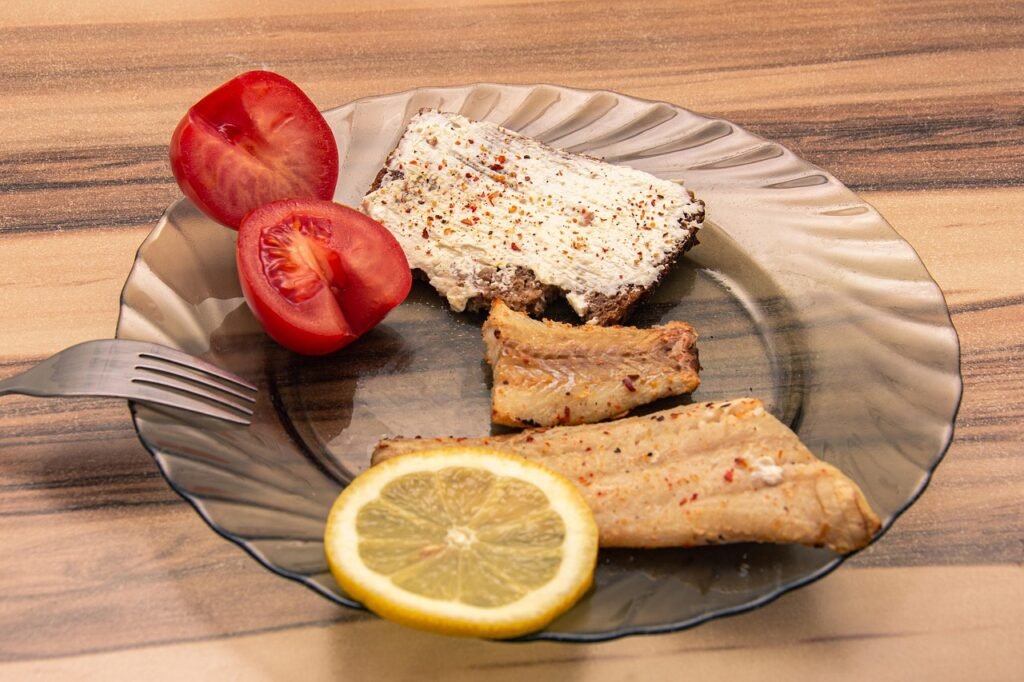
Portion Awareness Tools
Portion awareness doesn’t mean restriction. It means understanding what your body actually needs.
Supportive tools include:
- Visual portion guides
- Plate method visuals
- Hand-based portion cues
These tools are great because they remove math from the equation. No weighing. No measuring cups. No stress.
They’re especially helpful when eating out or cooking for others.
Hunger and Fullness Journaling
This one is underrated—and free.
A quick check-in before and after meals:
- How hungry am I right now?
- How satisfied do I feel after eating?
Over time, patterns emerge:
- Which meals keep you full longer
- When stress mimics hunger
- How meal timing affects cravings
That knowledge builds trust—and trust changes everything.
Support Systems That Make Change Stick
Coaching and Accountability Tools
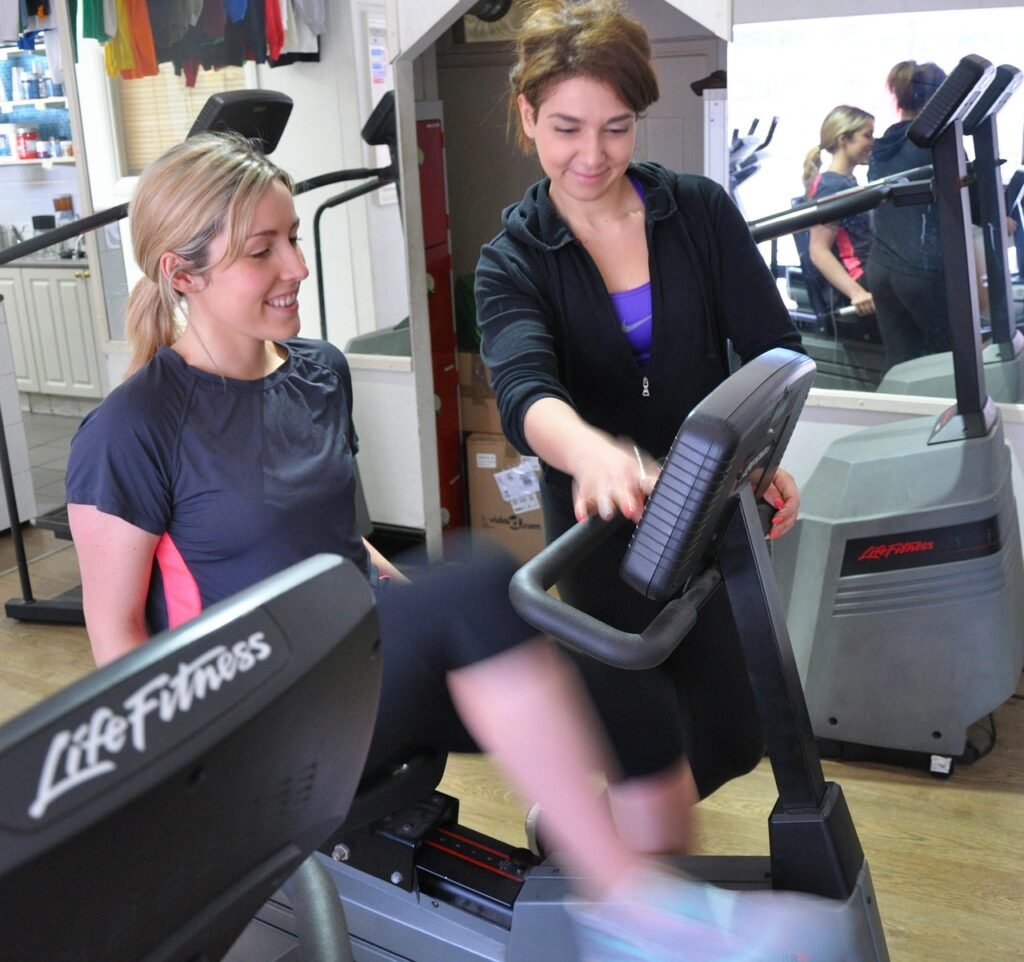
Weight loss rarely sticks in isolation.
Supportive accountability tools include:
- Health coaching platforms
- Habit-based group programs
- Simple weekly check-ins
The key difference between helpful accountability and harmful pressure? Compassion.
Good accountability feels like someone rooting for you—not monitoring you.
Community-Based Tools
Humans are wired for connection.
Whether it’s:
- Group challenges
- Online communities
- Friend-based tracking
Shared momentum makes the process lighter—and often more enjoyable.
Medical and Evidence-Based Weight Loss Tools

When Medical Support Is Part of the Picture
For some women, weight loss tools include medical support.
This may involve:
- Prescription medications
- Metabolic testing
- Hormonal evaluation
These are not shortcuts or failures. They’re supports—especially for women navigating insulin resistance, perimenopause, or long-standing metabolic challenges.
The most effective approach combines medical guidance with sustainable habits.
How to Choose the Right Tools (Without Overloading Yourself)
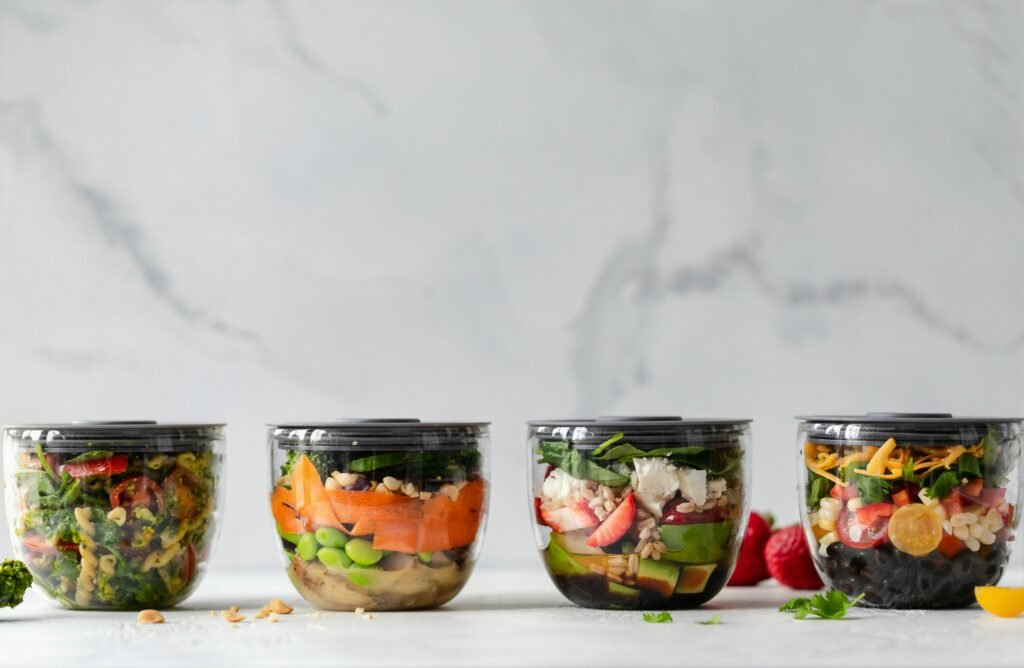
Here’s a gentle rule of thumb:
One habit. One tool. One season.
Not ten apps. Not a total overhaul.
Ask yourself:
- What feels hardest right now?
- What would make that easier?
Examples:
- Chaotic dinners → meal planning support
- Low motivation → movement tracker
- Stress eating → mindfulness tool
If a tool adds clutter instead of clarity, it’s not the right fit.
Signs a Tool Is Helping (Even If Weight Loss Is Slow)

Progress isn’t just the scale.
Helpful tools often lead to:
- More consistent routines
- Better energy
- Fewer all-or-nothing days
- Greater trust in your body
Weight loss that comes with peace is far more sustainable than weight loss fueled by anxiety.
Common Pitfalls to Watch For
Even good tools can go sideways.
Watch for:
- Guilt when you don’t use them perfectly
- Constant tool-hopping
- Using data as punishment
If something stops serving you, it’s okay to pause or switch.
You’re allowed to change your mind.
Practical Takeaways You Can Use This Week

- Choose tools that reduce stress
- Focus on habit support, not control
- Start small—consistency compounds
- Pair tools with self-compassion
- Let progress look boring and steady
Healthy weight loss doesn’t need drama.
It needs patience, support, and systems that fit your life.
Frequently Asked Questions
What are the best weight loss tools that support healthy habits for beginners?
Start with one tool that removes friction: a simple meal planning system, a step tracker, or a beginner-friendly workout app. The “best” tool is the one you’ll actually use consistently.
What should I look for in a fitness tracker for weight loss?
Look for comfort, battery life, step tracking, and customizable goals. Avoid trackers that shame you, obsess over calorie burn, or make rest days feel like failure.
Which tools help with emotional eating and stress cravings?
Stress tools that fit into real life help most—short breathing sessions, quick mindfulness prompts, or journaling hunger and fullness cues. The goal is awareness and regulation, not restriction.
How many tools should I use at once?
One is plenty. Choose one habit, one tool, one season. When that feels automatic, you can add another if it truly supports you.
A Gentle Nudge Forward
If weight loss has felt heavy, frustrating, or strangely personal, take a breath. That doesn’t mean you’re failing—it usually means the system you were given never fit your life in the first place.
You don’t need to overhaul everything or prove your commitment by suffering. You need weight loss tools that support healthy habits—the kind that show up for your busiest days, your tired days, and the days when motivation is low but dinner still needs to happen.
Pause for a moment and ask yourself:
What feels hardest right now?
And what would make that just a little easier?
That answer doesn’t require a big leap. It might be one small habit, one helpful tool, or one mindset shift that gives you more breathing room instead of more rules.
If this resonated, consider saving it for later—especially for the weeks when everything feels harder than it should. Or try one small change this week and see how it feels. No pressure, no perfection required.

