



This post may contain affiliate links. If you purchase through these links, we may earn a small commission at no additional cost to you. As an Amazon Associate we earn from qualifying purchases.
This post may contain affiliate links. If you purchase through these links, we may earn a small commission at no additional cost to you. We only recommend products that genuinely support a calmer, more intentional everyday life.
Sleep products that improve rest aren’t about biohacking your way into unconsciousness.
They’re about making sleep better—less effort, less friction, less mental gymnastics at 10:47 p.m. when your body is tired but your brain is fully booked.
You know that version of you who plans to go to bed early?
The one who sets the alarm for “wind down,” lights a candle, maybe even stretches… and then somehow ends up scrolling, overthinking tomorrow, or replaying a conversation from 2016?
Yeah. Same.
Sleep is one of those things everyone tells us to “prioritize,” as if it’s just a calendar block you can move around between laundry and emails. But real rest isn’t about discipline.
It’s about support.
The right sleep products don’t knock you out or force your body into submission. They remove friction. They make rest easier, gentler, and more automatic.
Think of them as tiny assistants working the night shift so you don’t have to.
First, a Quick Reframe: Better Sleep Isn’t About Doing More
If your immediate thought is, “Great, another list of things I need to buy or fix,” pause right there.
Better sleep isn’t about stacking habits or chasing perfection. It’s about supporting your nervous system and honoring how real life works.
You’re busy. Your brain is loud. Your days are full.
Sleep products should meet you where you are—not require a lifestyle overhaul.
That said, some categories genuinely pull more weight than others. Those are the ones worth your attention (and money).
Sleep Products That Improve Rest Without Turning Your Bedroom Into a Science Lab
Mattress & Pillows: The Unsung Heroes of Real Rest
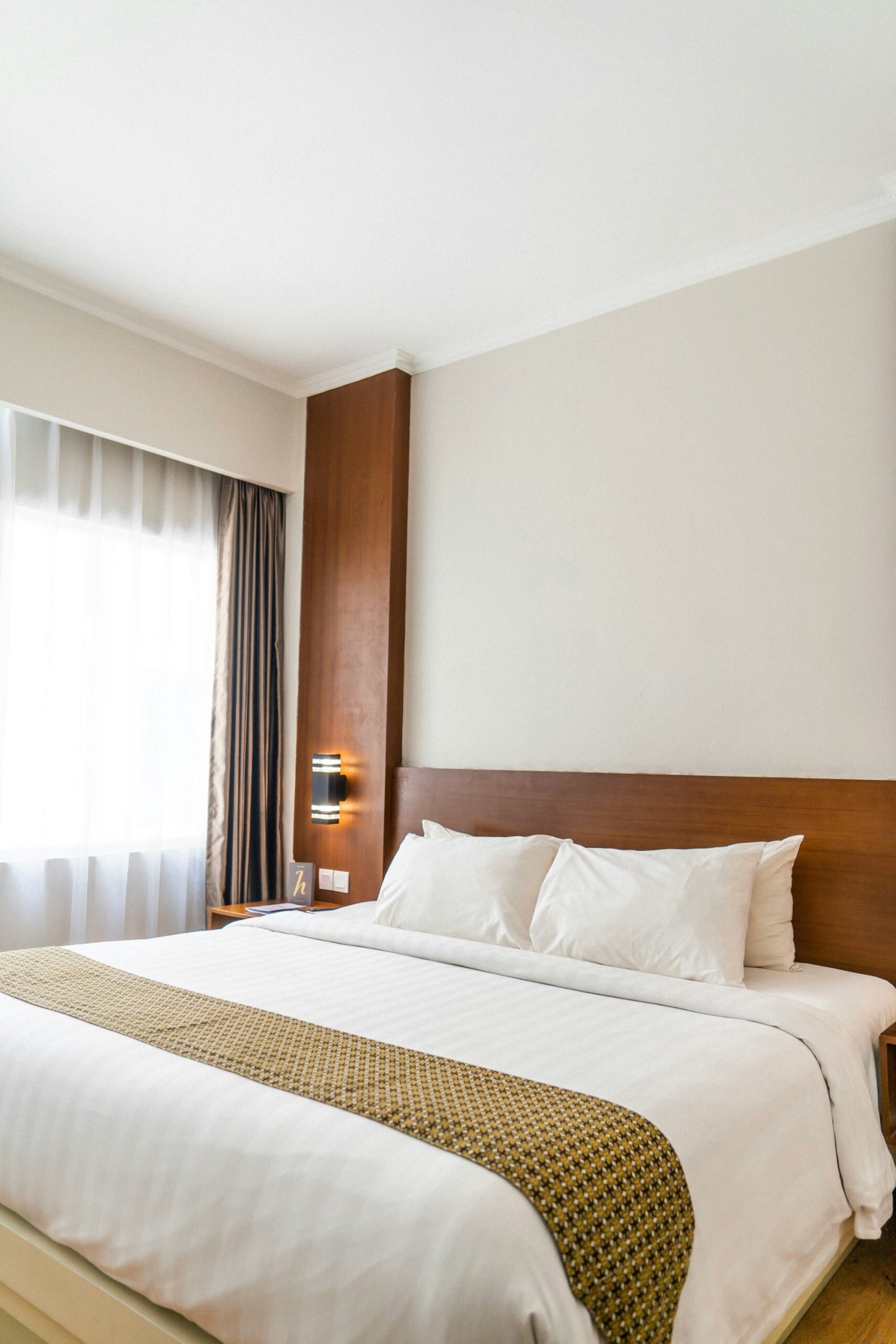
Your Mattress Might Be the Problem (And That’s Not a Personal Failure)
If you wake up stiff, sore, or somehow more tired than when you went to bed, your mattress could be quietly sabotaging you.
This is one of those items worth investing in because it affects every single night—not just occasionally.
A supportive mattress helps keep your spine neutral and reduces pressure points, especially if you’re a side sleeper, combination sleeper, or someone who carries stress in the shoulders and hips.
What to look for when choosing a mattress:
- Medium-firm support with pressure relief
- Breathable materials that don’t trap heat
- Motion isolation if you share a bed
What to avoid:
- Ultra-soft mattresses that let your hips sink
- Cheap foam that runs hot
- Anything that leaves you sore after a full night
You don’t need the most expensive option on the market. You need one that supports your body—not the average test dummy.
Pillows: One Size Does Not Fit All (And That’s Why They Matter)
Pillows are wildly underestimated.
The wrong pillow can strain your neck, compress your airway, and turn eight hours into a chiropractor appointment.
This is a category where small home upgrades can make a noticeable difference fast.
General guidance when buying a pillow:
- Side sleepers usually need firmer, higher loft pillows
- Back sleepers do best with medium loft and neck support
- Stomach sleepers need something very soft—or no pillow at all
Memory foam, latex, and adjustable-fill pillows tend to offer better alignment than flat, overstuffed ones.
If your pillow has gone flat or lumpy, it’s not being “low maintenance.” It’s expired.
Temperature Control Sleep Products: Because Being Too Hot Ruins Everything
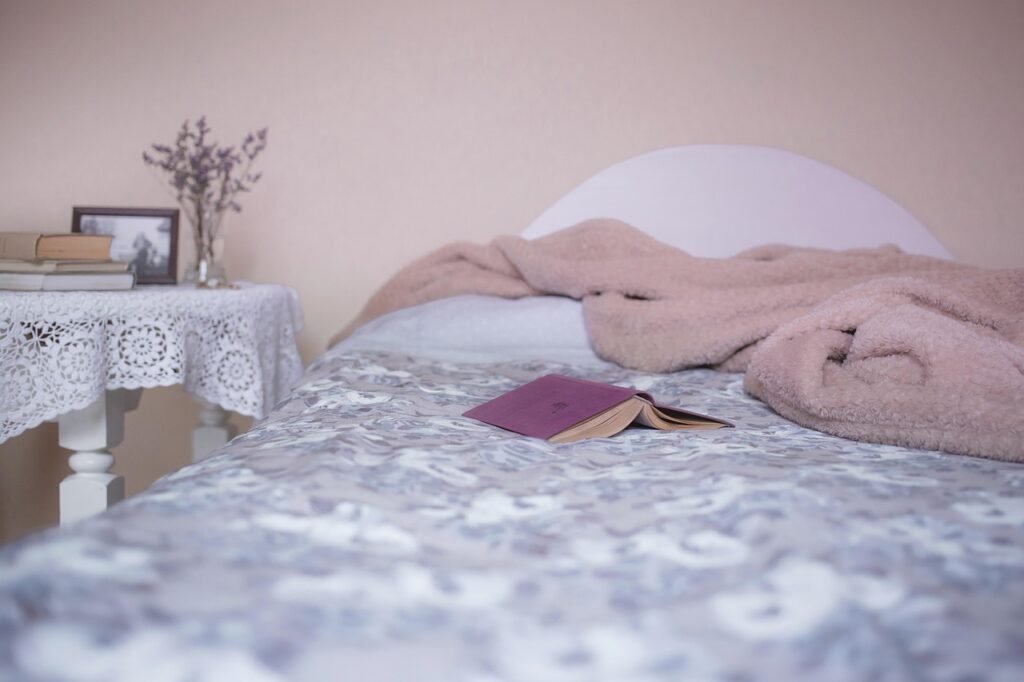
You can have the best bedtime routine in the world, but if you’re overheating, sleep quality tanks.
Your body naturally lowers its core temperature to initiate sleep. Bedroom essentials and sleep products that improve rest often work simply by helping your body cool down.
Cooling Sheets & Breathable Bedding
This is one of the easiest places to upgrade without changing your whole setup.
What to look for in cooling sheets:
- Percale cotton
- Linen
- Bamboo-derived fabrics
What to avoid:
- Heavy sateen if you run hot
- Synthetic blends that trap heat
If your sheets trap warmth, your nervous system stays slightly on edge all night—even if you don’t consciously notice it.
Mattress Toppers & Cooling Pads
If replacing your mattress isn’t realistic right now, a cooling topper is a smart middle-ground purchase.
When choosing one:
- Look for breathable construction
- Avoid thick foam if you already sleep hot
- Prioritize return policies—comfort is personal
You don’t need high-tech unless heat is a major issue, but even passive cooling can dramatically improve sleep quality.
Light Control Products for Deeper Sleep

Light exposure tells your brain whether it’s time to be alert or to rest. Even small amounts of ambient light can interfere with melatonin production.
Blackout Curtains for Better Sleep
This is one of those categories worth buying if you wake up early without meaning to.
Why blackout curtains matter:
- Help you fall asleep faster
- Improve sleep depth in early morning hours
- Reduce light-based sleep interruptions
Look for true blackout lining—not just “room darkening.”
Sleep Masks That Don’t Annoy You at 3 a.m.
Sleep masks are a low-cost, high-impact sleep product—when they’re designed well.
The good ones:
- Block light completely
- Don’t press on your eyes
- Stay in place without tight elastic
Avoid stiff or flat masks that shift overnight.
Sound Support Sleep Products: Silence Is Overrated
Total silence isn’t always ideal for sleep. Sudden noises in an otherwise quiet room can be more disruptive than steady background sound.
White Noise Machines & Sleep Sounds
White noise masks unpredictable sounds and gives your brain something neutral to rest against.
Some people prefer:
- White noise
- Pink noise
- Brown noise
- Nature sounds
Amazon does this category particularly well, especially for simple, affordable machines without unnecessary bells and whistles.
Earplugs That Don’t Feel Like Punishment
If noise is unavoidable, earplugs can be sleep-saving.
What to look for:
- Soft silicone or moldable styles
- Comfort for side sleeping
- Moderate noise reduction (not total isolation)
Protecting your sleep isn’t dramatic. It’s practical.
Nervous System Support Products That Help You Power Down
Most sleep struggles aren’t about willpower.
They’re about an overactive nervous system that doesn’t know it’s safe to rest.
Weighted Blankets: Helpful for the Right Person
Weighted blankets provide deep pressure stimulation, which can help signal safety and calm.
They’re especially helpful if you:
- Feel restless at night
- Wake frequently
- Carry anxiety in your body
What to look for:
- Around 10% of your body weight
- Breathable outer fabric
- Even weight distribution
Avoid blankets that feel restrictive instead of comforting.
Magnesium Products for Sleep Support
Magnesium supports muscle relaxation and nervous system regulation.
Some people benefit from:
- Magnesium glycinate supplements
- Magnesium lotions or sprays
Look for clean ingredient lists and start with lower doses.
Sleep Tech That Helps (Without Hijacking Your Sanity)
Not all sleep tech is out to turn your nights into a data project.
Some tools are genuinely helpful—as long as they support your sleep instead of giving your brain something new to overthink. The goal isn’t more information. It’s an easier, calmer experience.
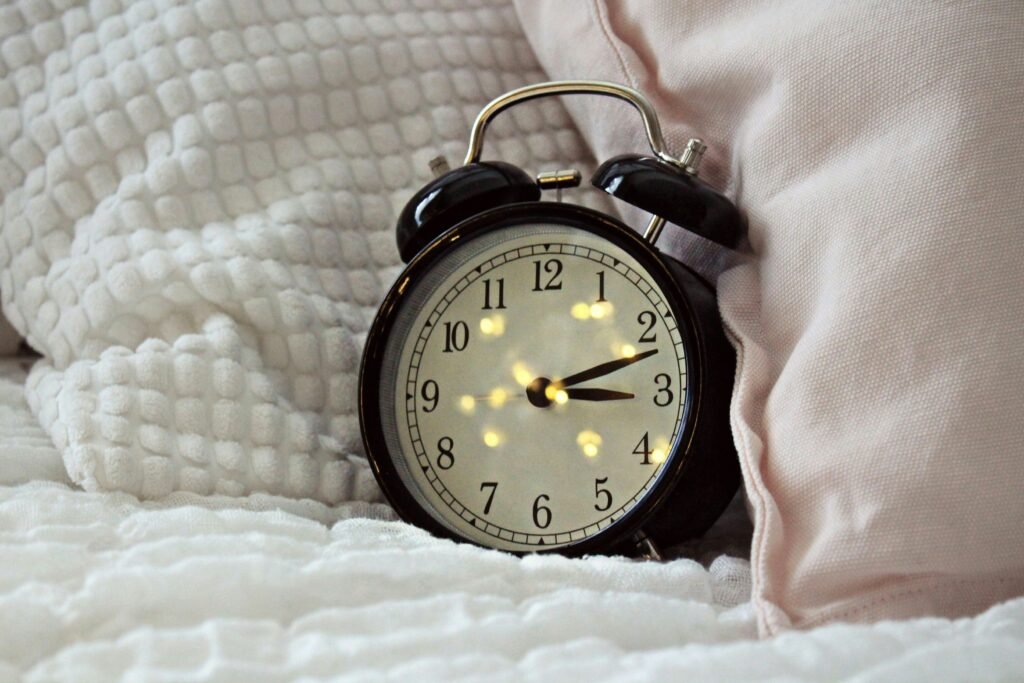
Sunrise Alarm Clocks
Waking up to a blaring alarm is a rude way to start the day. Sunrise alarms do the opposite.
They slowly brighten the room to mimic natural morning light, which helps your body wake up more gently—without the jolt of panic. It’s one of those small changes you don’t think about much, but suddenly mornings feel less aggressive.
You still wake up. You just don’t feel attacked by it.
Simple Sleep Trackers
Sleep trackers can be useful if you’re curious about patterns—like whether stress, temperature, or late dinners are messing with your rest.
But here’s the boundary: the moment tracking makes you anxious, it’s no longer helping.
You don’t need perfect scores or flawless charts to sleep well. If the data starts stressing you out, ditch it. Better sleep is about how rested you feel—not how impressive your stats look.
Practical Takeaways to Keep It Simple
- Start with temperature, light, and sound before supplements
- Replace pillows more often than you think
- Invest in products that affect you nightly
- Avoid anything that adds stress or pressure
- Better sleep supports everything else
Frequently Asked Questions
What are the best sleep products that improve rest quickly?
Products that address temperature, light, and sound tend to offer the fastest improvements. Cooling sheets, blackout curtains, and white noise machines often make a noticeable difference within days.
Are expensive sleep products always better?
Not necessarily. Comfort, fit, and consistency matter more than price. Many mid-range sleep products outperform luxury options if they suit your body and sleep environment.
Which sleep products are worth investing in long-term?
Mattresses, pillows, and blackout curtains tend to have the biggest long-term impact because they affect every night of sleep—not just occasional rest.
Can sleep products replace good sleep habits?
Sleep products can’t replace rest, boundaries, or recovery—but they can support them. Think of them as tools that make healthy sleep more accessible, not rules you have to follow.
A Gentle Invitation
If sleep has felt hard lately, pause before turning that into a story about what you’re doing wrong.
Nothing is broken. You’re not behind. You’re responding to full days, busy seasons, and a nervous system that’s been asked to stay “on” for a long time.
The best sleep products that improve rest don’t demand perfection—they quietly support your body so sleep feels less like a struggle and more like something you’re allowed to sink into.
If this resonated, save it for later, share it with a friend who’s tired in that deep way, or try one gentle upgrade tonight and see how it feels.
Because rest isn’t something you earn.
It’s something you allow—and something you deserve.

