



This post may contain affiliate links. If you purchase through these links, we may earn a small commission at no additional cost to you. As an Amazon Associate we earn from qualifying purchases.
There’s a special kind of exhaustion that doesn’t come from one big thing — it comes from a hundred tiny ones.
The mental tabs open in your brain at all times:
Did I reply to that message?
What’s for dinner tonight?
Why did I walk into this room again?
When was the last time I watered that plant… and do I still have that plant?
If you’ve ever felt like your mind is a cluttered desktop with 47 windows open and one of them playing music you can’t find — welcome. You are among friends. Modern life asks women to be project managers, emotional support teams, logistics coordinators, memory keepers, and somehow still functioning humans who drink water and get eight hours of sleep. It’s a lot.
Some of the best productivity tools for women aren’t about becoming a hyper-efficient robot or optimizing your life down to five-minute increments. The goal is much simpler: reduce mental load so you can breathe. Think of these tools as support systems, not pressure systems. They exist to make life lighter, not busier.
Let’s talk about the ones that actually help — and the ones actually worth having in your life.
The Real Secret: Productivity Is About Energy, Not Time
Before we get into tools, we need to gently clear something up. Most women aren’t struggling because they “lack discipline.” They’re struggling because they’re carrying invisible labor.
Productivity isn't about squeezing more tasks into your day. It's about protecting your energy so you can focus on what actually matters.
The best productivity tools don't just track tasks – they reduce decision fatigue, organize mental clutter, and give your brain permission to rest.
And here's the key: a good productivity tool removes friction. If something makes you feel anxious, guilty, or constantly behind, it isn't helping – it's adding stress.
If something makes you feel anxious, guilty, or behind, it’s not a productivity tool. It’s a stress generator wearing a planner’s outfit. We’re not doing that here.
The tools below aren't about doing more. They're about making life lighter.
Productivity Tools for Women
Brain Dump Tools for Mental Clutter Relief
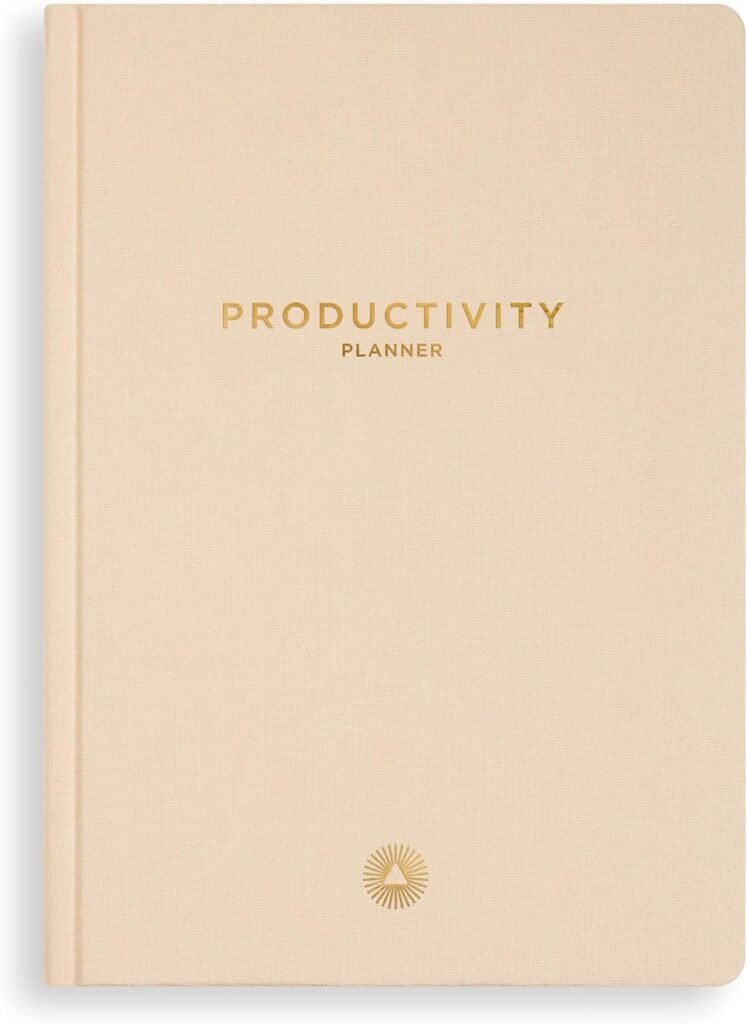
Daily Productivity Planner That Keeps Your Day Focused
- Helps apply the “Rule of Three” productivity method
- Clean layout prevents overwhelm and decision fatigue
- Encourages mindful planning rather than endless-to-do-lists
- Dedicated sections for daily priorities and structured planning
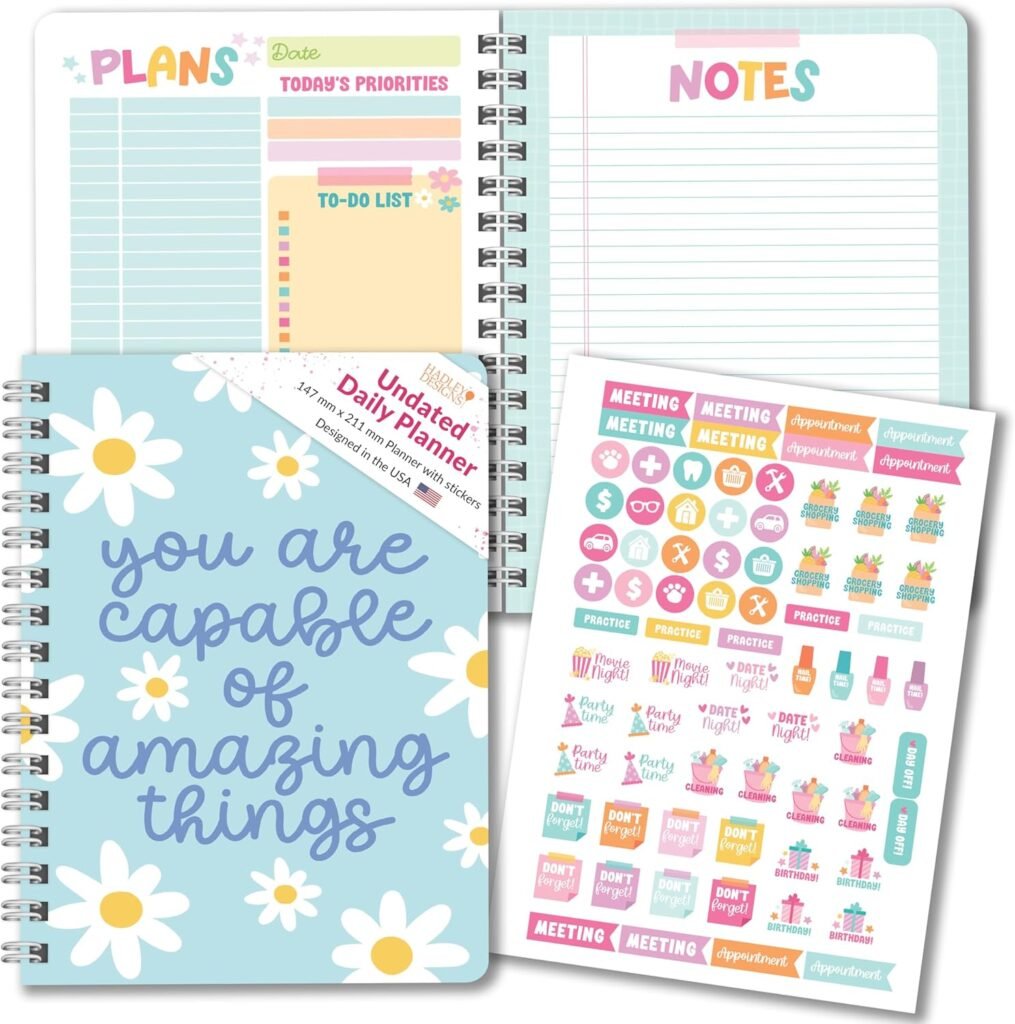
Brain Dump Notebook for Clearing Mental Clutter
- Ideal for quick morning brain dumps or nightly reflection
- Capture every idea, reminder, and unfinished task in one place
- Helps reduce mental overload by giving thoughts a permanent home
There is nothing more exhausting than trying to remember everything. When your brain becomes a storage unit instead of a thinking space, you feel overwhelmed before you even start your day. That’s where a brain dump system comes in. This is one of those tools worth investing in early because it instantly reduces mental load.
Why Owning One Matters
A dedicated brain dump tool gives your mind a reliable “parking spot” for thoughts. Without one, your brain keeps replaying unfinished tasks, which drains energy. Research calls this the Zeigarnik Effect — unfinished tasks linger in your mind until they’re captured somewhere safe. Once you write things down, your brain relaxes.
What to Look For in a Brain Dump Tool
When choosing one, avoid complicated layouts that require too much setup.
Look for:
- Quick access (one tap or one open page)
- Simple formatting
- Portability
- Minimal friction
Amazon does this category particularly well with simple, durable notebooks designed for everyday use — not aesthetic perfection. If you prefer digital, choose an app that syncs across devices so you’re never stuck without it.
Practical Takeaway
Pick one place — just one — where everything goes.
Not three apps. Not five notebooks. One home for all your mental clutter. Consistency beats complexity every time.
Daily Priority Planners That Actually Reduce Stress
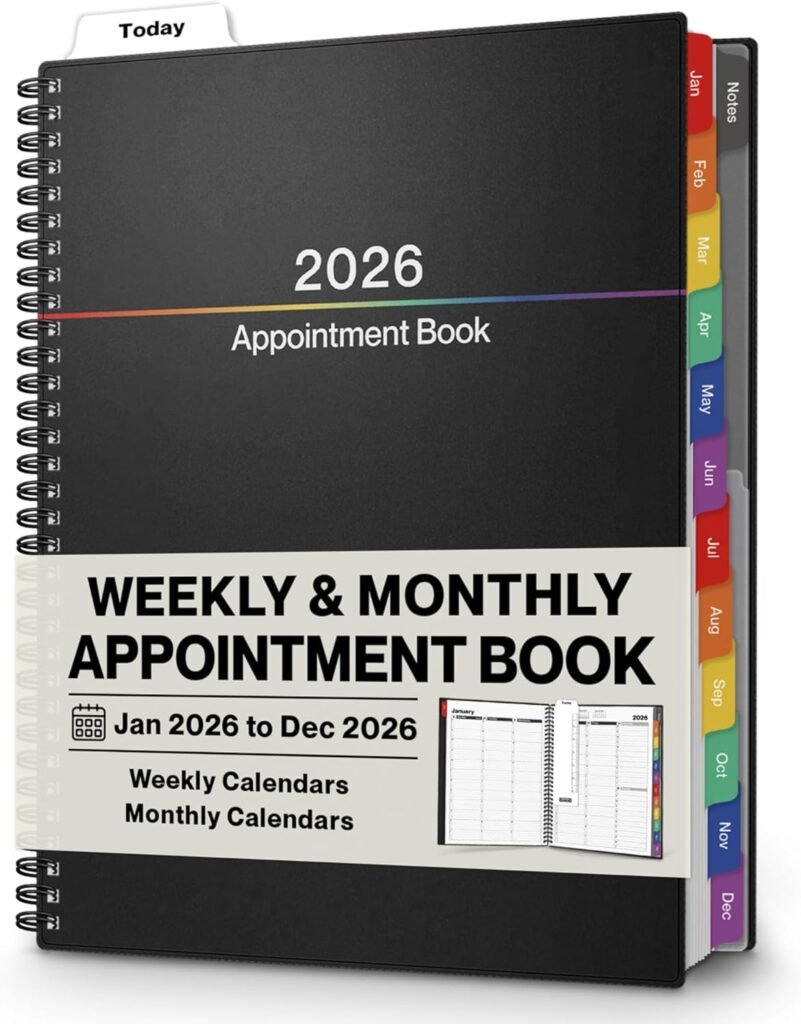
Large Hourly Planner for Structured Daily Scheduling
- Spacious layout provides plenty of room for detailed planning
- 15 minute appointment slots help organize busy workdays
- Includes movable bookmark for easy daily tracking
- Laminated monthly tabs allow quick navigation through the year
Here’s a hard truth that can feel uncomfortable but freeing:
Not everything matters equally. But when your to-do list is long, everything feels equally urgent. That’s how you end up busy all day but oddly unsatisfied. A daily priorities planner solves this. This is one of those items worth investing in if you constantly feel scattered.
Why a Dedicated Planner Helps
Structured planners reduce decision fatigue by guiding your focus toward what truly matters. The “Rule of Three” is simple: choose three meaningful tasks per day. This creates clarity and builds momentum.
What to Look For in a Productivity Planner
Avoid planners packed with excessive tracking sections you’ll never use.
Look for:
- Daily priority sections
- Clear layout
- Enough writing space
- Weekly overview pages
A good planner should feel calming, not overwhelming. If opening it feels stressful, it’s not the right one.
Practical Takeaway
Before checking messages in the morning, write down your top three priorities. This small shift can dramatically change how productive and peaceful your day feels.
Time-Blocking Calendars That Protect Your Schedule
Most people use their calendars as storage for obligations. But high-functioning productivity systems use calendars differently — as boundaries. Your calendar shouldn’t just track commitments. It should protect your energy. A time-blocking calendar is one of those tools that quickly pays for itself in reduced stress.
Why Digital Calendars Work Best
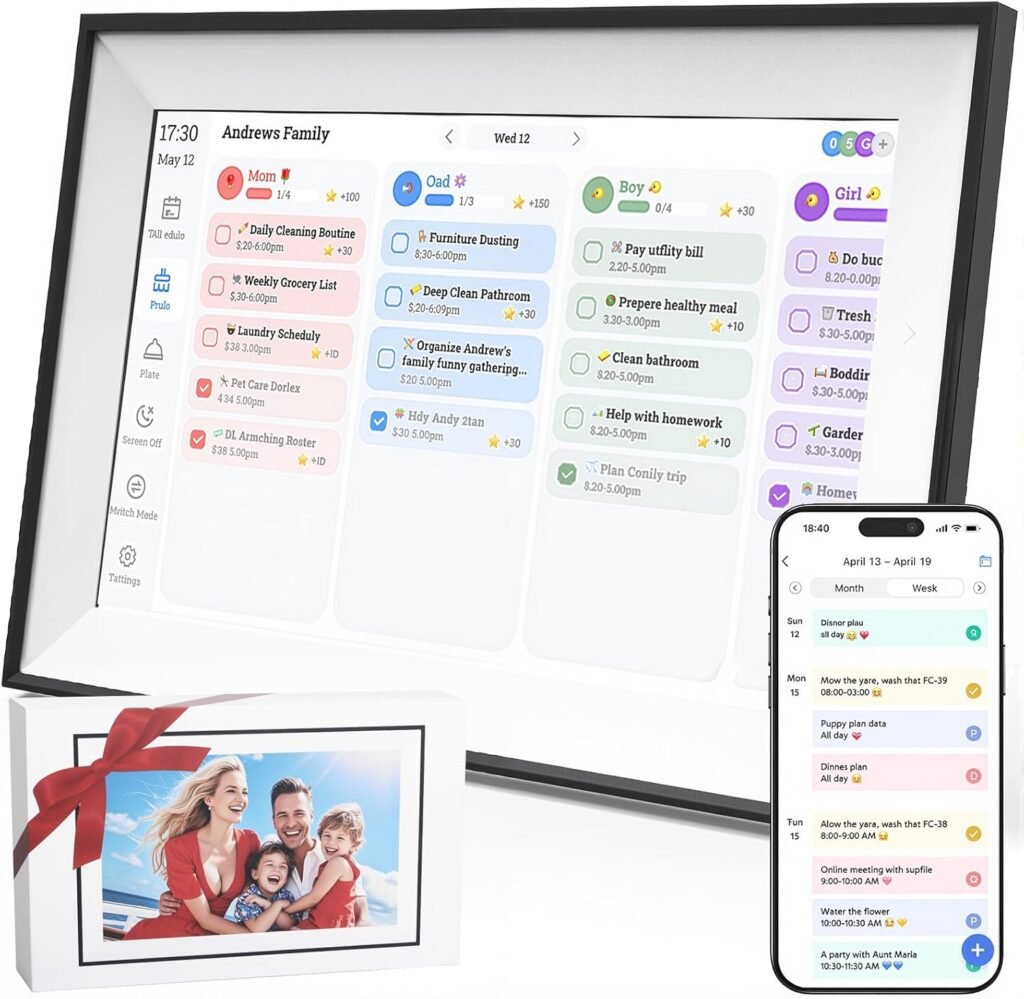
Smart Digital Calendar for Time Blocking Your Schedule
- Large touchscreen display keeps family schedules visible
- Syncs with Google Calendar, Outlook, and mobile devices
- Helps visually organize appointments and commitments
Digital planning calendars allow color coding, reminders, and easy adjustments — all essential for busy schedules. They help your brain switch into the right mode faster by visually organizing your day.
What to Look For in a Time-Blocking Calendar
Avoid overly complex scheduling apps that require too many clicks.
Look for:
- Easy drag-and-drop scheduling
- Color-coding features
- Reminder alerts
- Sync across devices
Research shows that time-blocking can significantly improve productivity and focus.
Practical Takeaway
Start blocking time not just for tasks, but for rest, preparation, and transitions.
Buffer time isn’t laziness. It’s protection.
“Done Lists” That Build Motivation and Confidence
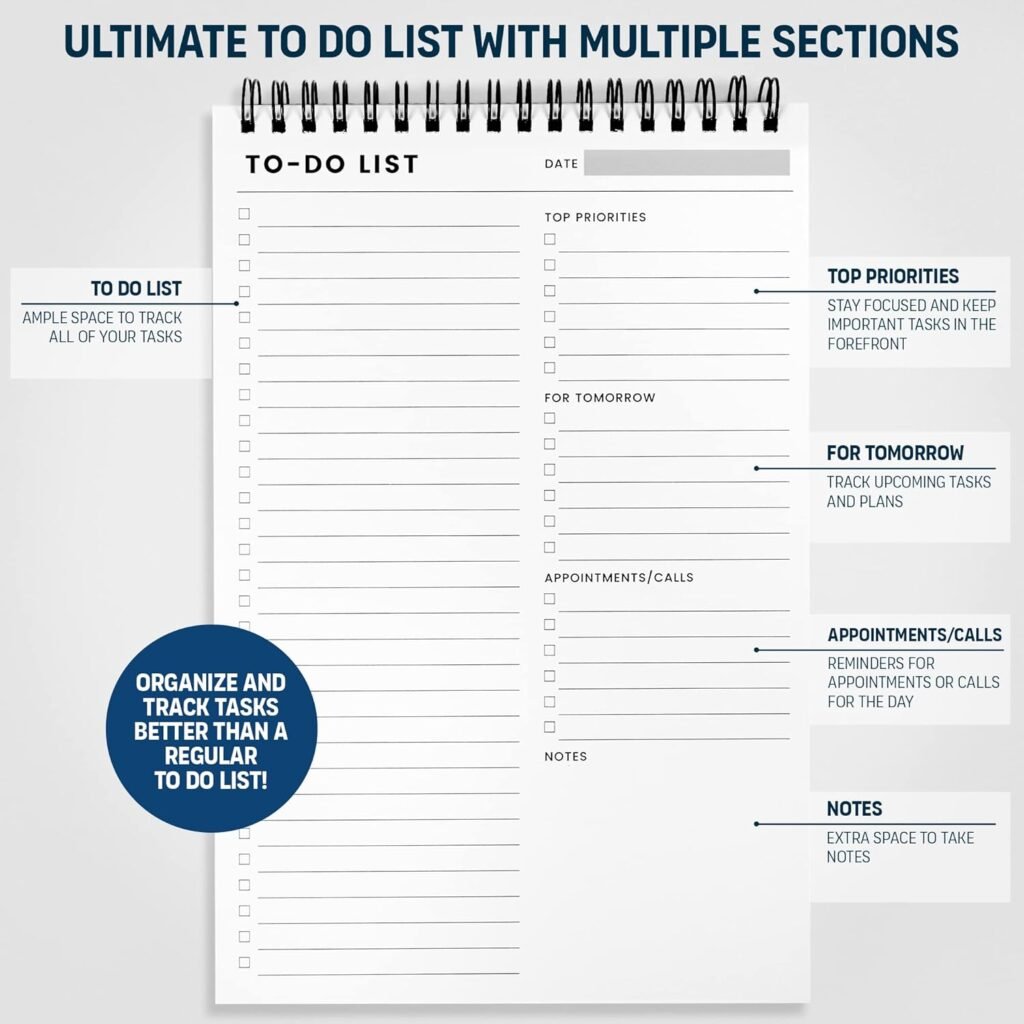
Simple Daily To-Do Pad for Clear Priorities
- Structured layout helps organize tasks and priorities
- Dedicated sections for notes, appointments, and reminders
- Tear-off sheets make daily planning simple and satisfying
To-do lists focus on what’s unfinished.
Done lists focus on what you’ve accomplished.
And that shift matters more than you think.
This is one of those small tools that creates an unexpectedly big emotional payoff.
Why Done Lists Work
Your brain naturally remembers what you didn’t do more than what you did.
That’s why you can have a full day and still feel unproductive.
A done list rewires that narrative.
It shows evidence of effort.
What to Look For in a Done-List System
Avoid complicated tracking systems.
Look for:
- Simple daily pages
- Open writing space
- Easy end-of-day reflection
Even a basic notebook works perfectly. This is not about aesthetics. It’s about awareness.
Practical Takeaway
Each evening, write down everything you completed — even small tasks.
These count – Because they required energy.
Focus Timers That Boost Productivity Without Pressure
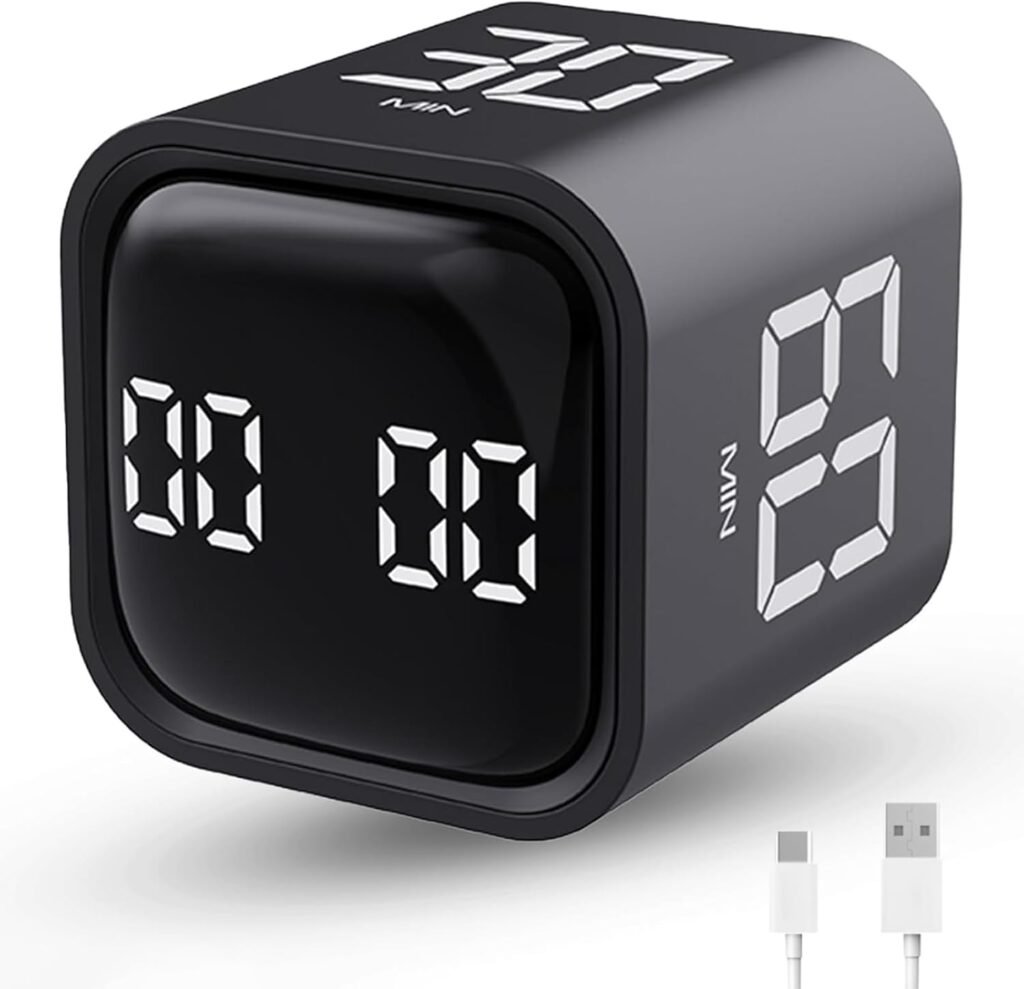
Focus Timer That Helps You Start and Stay on Task
- Supports popular productivity methods like Pomodoro
- Quiet operation reduces distractions during work sessions
- Flip-style timer instantly starts focus sessions
Long stretches of unfocused work often lead to frustration. But strict productivity systems can feel rigid. A focus timer offers gentle structure without overwhelm. This is one of those small tools that dramatically improves consistency.
Why Focus Timers Work
They reduce the psychological barrier to starting. Instead of committing to hours of work, you commit to one short session, making tasks feel manageable—just like having the right work-from-home essentials in place.
What to Look For in a Focus Timer
Avoid complicated productivity apps with too many features.
Look for:
- Simple countdown function
- Visual progress tracking
- Gentle alerts
- Minimal distractions
Physical timers can also work beautifully — especially for those who want to reduce screen time.
Practical Takeaway
When you feel stuck, set a 25-minute timer and begin. You don’t need motivation. You just need a starting point.
Best Productivity Tools for Women Working From Home
Working from home can offer incredible flexibility, but it can also blur the boundaries between work, home life, and personal time. The best productivity tools for women working from home help create structure, reduce mental clutter, and make daily tasks easier to manage. From simple planners and time-blocking calendars to digital organization tools, the right systems allow you to stay focused, protect your energy, and move through your day with more clarity and intention.
Automation Tools That Reduce Decision Fatigue
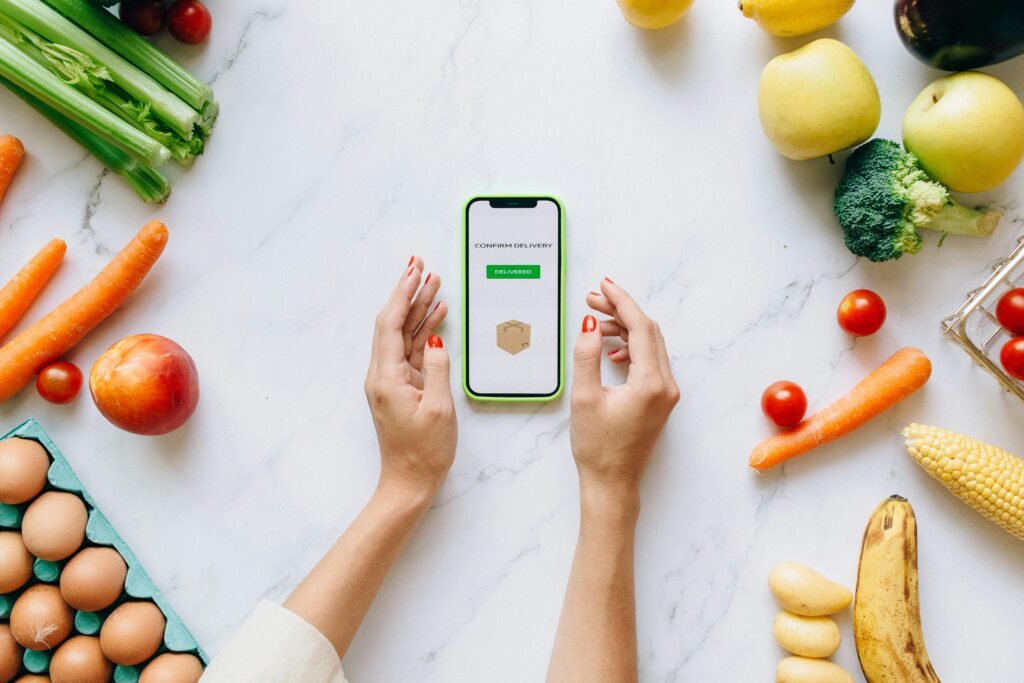
Decision fatigue is real. The more choices you make daily, the more mentally drained you become. Automation tools are one of the most underrated productivity investments. They remove repetitive decisions from your life.
Areas Worth Automating
- Meal planning systems
- Automatic bill payments
- Recurring reminders
- Email templates
- Subscription scheduling
These tools save more mental energy than you might expect.
What to Look For in Automation Apps
Avoid overly complicated platforms that require constant setup.
Look for:
- Simple automation rules
- Clear interface
- Reliable notifications
- Easy customization
Amazon smart home tools also excel here — especially for automating small daily routines.
Practical Takeaway
If you find yourself making the same decision weekly, it’s a candidate for automation. Less decision-making equals more energy.
Weekly Reset Tools for Organized Living
One of the biggest sources of stress isn’t daily workload — it’s accumulated chaos. Small unfinished tasks pile up quietly. A weekly reset system prevents that buildup. This is one of those routines worth supporting with a dedicated tool.
Why Weekly Reset Systems Work
They create clarity and prevent overwhelm before it starts. They also reduce Sunday-night anxiety by giving you a clear plan.
What to Look For in Weekly Planning Tools
Avoid overly detailed planners that feel rigid.
Look for:
- Weekly overview layouts
- Space for reflection
- Habit tracking sections
- Brain dump areas
A good weekly planner should feel like a reset button, not another obligation.
Practical Takeaway
Choose a consistent time each week for your reset ritual. Think of it as mental housekeeping.
The Most Important Productivity Tool: Self-Compassion
No system works if it’s built on pressure. You will have days when nothing goes as planned. You will forget things. You will feel tired.
That’s not failure. That’s humanity. The most effective productivity system isn’t about squeezing more out of yourself. It’s about supporting yourself better.
Your Low-Stress Productivity Starter Kit
If you want to begin without overwhelm, start here:
- One brain dump tool
- A daily priority planner
- A time-blocking calendar
- A simple to do list notebook
- A weekly reset system
You don’t need a dozen apps.
Just a few supportive tools that reduce mental load and protect your energy.
Frequently Asked Questions
Do productivity tools really help with time management?
Yes. The right time management tools for women help reduce decision fatigue, organize responsibilities, and protect energy — which naturally improves productivity.
Should I choose digital or physical productivity tools?
It depends on your lifestyle. Digital tools are great for flexibility and syncing, while physical tools often help with focus and reduce screen overload.
How many productivity tools should I start with?
Start with one or two. Adding too many at once can feel overwhelming. A simple system works better than a complicated one.
Are expensive productivity tools worth it?
Sometimes. Investing in high-quality organization tools for working moms or busy professionals can save time, reduce stress, and last longer — but simple, affordable options often work just as well.
A Gentle Reminder Before You Go
Take a moment and check in with yourself.
Not the version of you that feels like she should be doing more — the real, human version who’s been juggling responsibilities, showing up for others, and trying her best with the energy she has.
Productivity isn’t about becoming someone new.
It’s about supporting the person you already are.
Maybe you don’t need a complete system overhaul.
Maybe you don’t need a color-coded planner or a dozen apps.
Maybe you just need one small shift. Small changes are often the ones that create the biggest sense of relief. So instead of trying to “fix everything,” ask yourself:
What is one tiny adjustment that would make tomorrow feel lighter?
Start there.
And if something in this guide resonated with you, consider saving it for later, sharing it with a friend who might need a little breathing room too, or simply trying one small tool this week.
Because productivity isn’t about doing it all. It’s about making life feel more manageable, one gentle step at a time — and that’s exactly why the right productivity tools for women can make such a powerful difference.

