


This post may contain affiliate links. If you purchase through these links, we may earn a small commission at no additional cost to you. As an Amazon Associate we earn from qualifying purchases.
Let’s be real for a moment — is a bigger breakfast better, or is it just another diet myth?
Diet culture has convinced us that weight management has to feel like punishment. Tiny dinners. Constant calorie math. Going to bed hungry and hoping it somehow “pays off” in the morning.
Sometimes those dinners are so small, your hamster would probably send them back — and you’re still left wondering why the scale hasn’t moved.
So the idea that eating more at breakfast could actually help sounds almost suspicious. But there’s solid research behind this concept — and no, it doesn’t involve misery, which is why more people are starting to ask: Is a bigger breakfast better for long-term results? For many, simple nutrition shifts like this are becoming part of broader self-care essentials for busy women who want sustainable health habits.
Sometimes those dinners are so small, your hamster would probably send them back
Me
The Study That Changed the Conversation
One of the most talked-about studies on this topic was published in the journal Obesity and conducted by researchers at Tel Aviv University.
In the study, 93 overweight women followed the same 1,400-calorie diet for 12 weeks. The only difference between the two groups was when they ate most of their calories.
- Group A (Big Breakfast):
700 calories at breakfast, 500 at lunch, 200 at dinner - Group B (Big Dinner):
200 calories at breakfast, 500 at lunch, 700 at dinner
Same calories. Same foods. Different timing.
The results were eye-opening. The group that ate more in the morning lost more weight and more inches around the waist than the group that ate most of their calories at night. They also reported feeling more satisfied and less hungry throughout the day.
In other words, when you eat may matter more than we’ve been giving it credit for.
Your Body Has a Schedule (Even If Your Calendar Is a Mess)
Think of your metabolism like that friend who’s ready to conquer the world at 8 a.m. but starts winding down by evening.
Early in the day:
- Your body burns more energy processing food
- Insulin works more efficiently
- Hunger hormones are easier to manage
Later at night, everything slows down — including how well your body handles large meals.
This doesn’t mean dinner is the enemy. It just means your body may be better equipped to handle bigger meals earlier, when it’s already in “go mode” instead of winding down for the night — something that fits naturally into balanced habits built around simple morning routine products and consistent routines.

What a “Bigger Breakfast” Actually Means (And What It Doesn't)
Let’s clear something up.
A bigger breakfast doesn’t mean turning every morning into a brunch buffet or starting your day with six donuts and a prayer.
What it does mean is focusing on balance:
- Protein to keep you full
- Fiber for steady energy
- Healthy fats for satisfaction
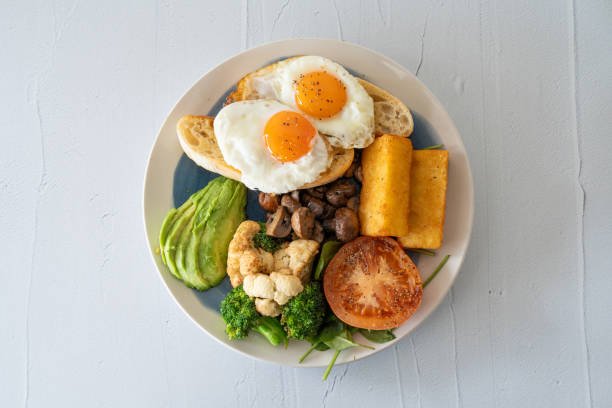
Think eggs with vegetables, Greek yogurt with berries and nuts, or oatmeal paired with protein. Meals like these tend to keep hunger levels steady and reduce the urge to snack your way through the afternoon.
And yes — some people even find that allowing a small morning treat helps curb cravings later. When food doesn’t feel forbidden, it loses some of its power. Funny how that works.
Should You Try It?

If you’re curious, the best approach is simple:
- Eat a more substantial breakfast
- Keep lunch moderate
- Make dinner lighter
- Pay attention to how you feel
No forcing. No guilt. Just observation.
Frequently Asked Questions
Does eating a bigger breakfast help with weight loss?
It can help some people by reducing hunger later in the day and improving calorie balance.
What should a bigger breakfast include?
A mix of protein, fiber, and healthy fats is ideal for fullness and steady energy.
Is it bad to eat a large dinner instead?
Not necessarily, but the body may process food more efficiently earlier in the day.
Can a bigger breakfast boost metabolism?
Research suggests your body burns more energy processing food earlier in the day.
Do you need to skip dinner if you eat a big breakfast?
No — the goal is simply shifting more calories earlier, not eliminating meals.
Final Thought
At the end of the day, nutrition isn’t about rigid rules — it’s about finding patterns that actually work for you. Some people feel more energized and satisfied when they shift more of their calories earlier, while others do best with a different rhythm. Both are valid — and it’s perfectly okay to explore questions like is a bigger breakfast better for your own lifestyle.
What matters most is paying attention to how your body responds. Do you feel steady energy? Less intense cravings? More comfortable fullness? These small signals often tell you more than any diet trend ever could.
If this idea resonates with you, consider trying one simple experiment this week — maybe adding a little more protein to your breakfast or slightly lightening your dinner.
And if you found this helpful, you might want to save it for later, share your thoughts in the comments, or reflect on one small change you’re ready to try. Sometimes, the smallest shifts are the ones that create the most lasting impact.

