


This post may contain affiliate links. If you purchase through these links, we may earn a small commission at no additional cost to you. As an Amazon Associate we earn from qualifying purchases.
There’s a very specific kind of chaos that happens when you’re running late, holding a coffee you forgot you made, and can’t find the thing you literally had in your hand five minutes ago.
Keys. Phone. That charger you swear lives right here.
It’s not dramatic. It’s just… exhausting.
Home organization isn’t about having a Pinterest-perfect pantry or color-coded closets that look untouched by real life. It’s about reducing friction. Fewer micro-stresses. Less time spent negotiating with your own stuff before you’ve even left the house.
And no, you don’t need to become “an organized person” to make it work.
You just need the right tools — the ones that support how you already live instead of trying to turn you into someone else.
Let’s talk about the home organization products that actually earn their keep.
The Real Goal of Organization (Hint: It’s Not Perfection)
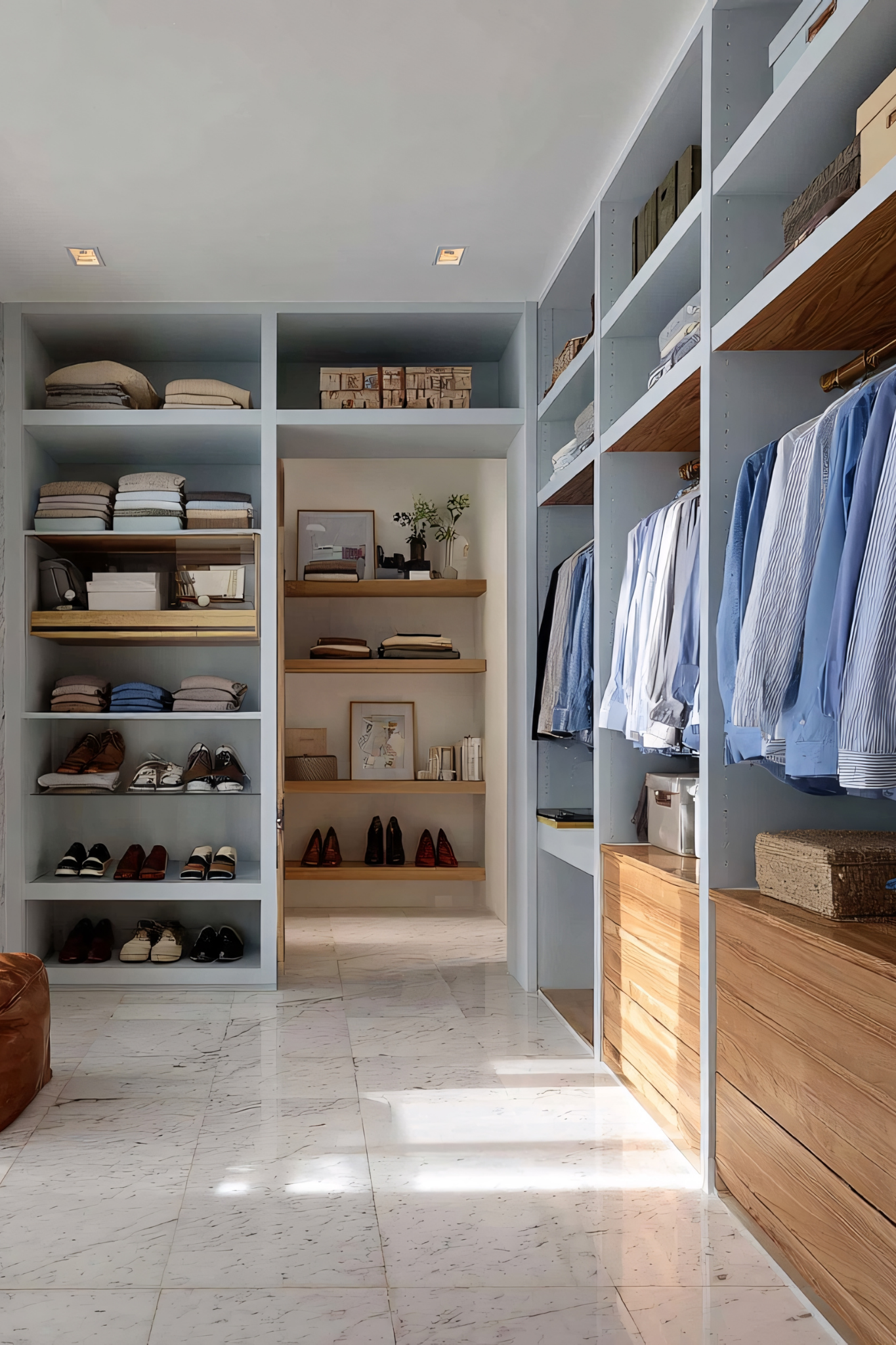
Before we talk bins, baskets, or anything you can buy, let’s get one thing straight.
Organization isn’t about having it all together. It’s about making life a little easier when you very much do not have it all together.
Good organization:
- Saves time when you’re already behind
- Reduces mental load when your brain is full
- Makes everyday routines smoother without effort
Bad organization:
- Requires constant upkeep
- Only works when you’re “on top of things”
- Falls apart the second life gets busy
If something only works when you’re calm and thriving, it’s not a system. It’s a personality test you didn’t agree to take.
The products that actually earn their spot in your home assume you’re human. That sometimes you’re rushed. Sometimes you’re tired. Sometimes you put something down “for just a second” and immediately forget where that second happened.
Real organization isn’t about control or discipline. It’s about forgiveness. Systems that catch you on your off days — not ones that punish you for having them.
Entryway Organization: Where Chaos Usually Starts
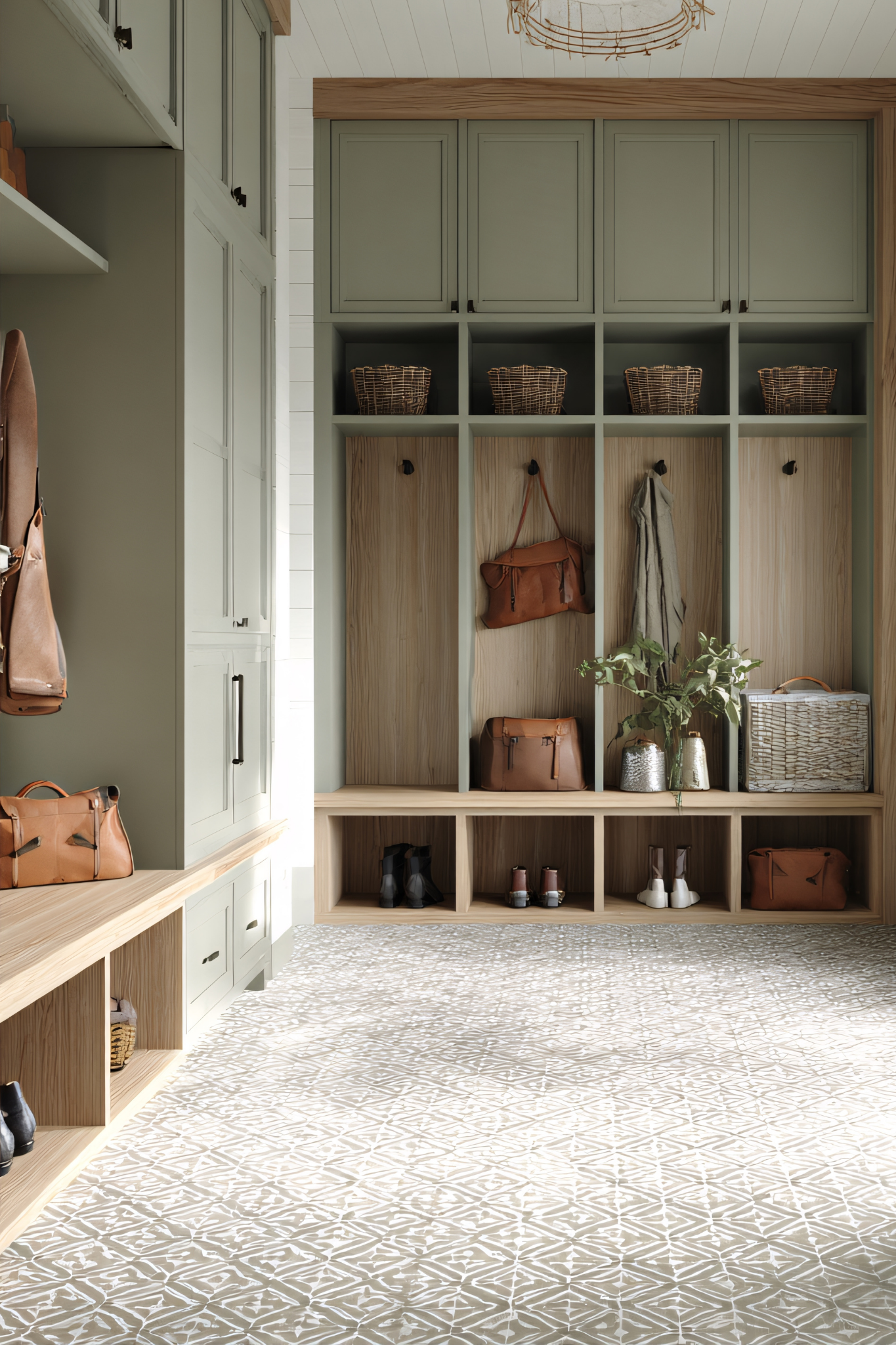
Key Trays and Drop Zones That Actually Get Used
If your keys end up in a different place every day, you’re not scattered — you just don’t have a setup that actually works for you.
Most of us repeat the same motion when we walk in the door. We pause, unload whatever’s in our hands, and move on. The problem is that the “landing zone” in our head doesn’t always exist in real life.
This is one of those items worth investing in because it removes daily stress immediately.
What to look for when buying:
- A shallow tray or bowl wide enough to actually catch things
- Wall-mounted hooks placed right by the door (hooks beat drawers every time)
Visibility matters here. If you can’t see your keys, your brain assumes they’ve disappeared. Totally normal. Very inconvenient.
What to avoid:
Lids, tiny compartments, or anything marketed as “hidden storage.” This is not the moment for sleek or mysterious.
Practical takeaway:
Put the drop zone where you already stop — not where you think it should go.
Shoe Storage That Accepts Reality
Let’s be honest: most of us don’t put shoes away. We kick them off.
So storage needs to accommodate that truth instead of pretending we’re the kind of people who gently place shoes on shelves every night.
What works:
- Open shoe racks
- Low baskets you can toss shoes into
- Slim benches with open cubbies
What to avoid:
Closed cabinets that require effort at the exact moment you have none.
Practical takeaway:
Open storage beats pretty storage when it comes to daily habits.
Kitchen Organization That Doesn’t Turn Cooking Into a Chore
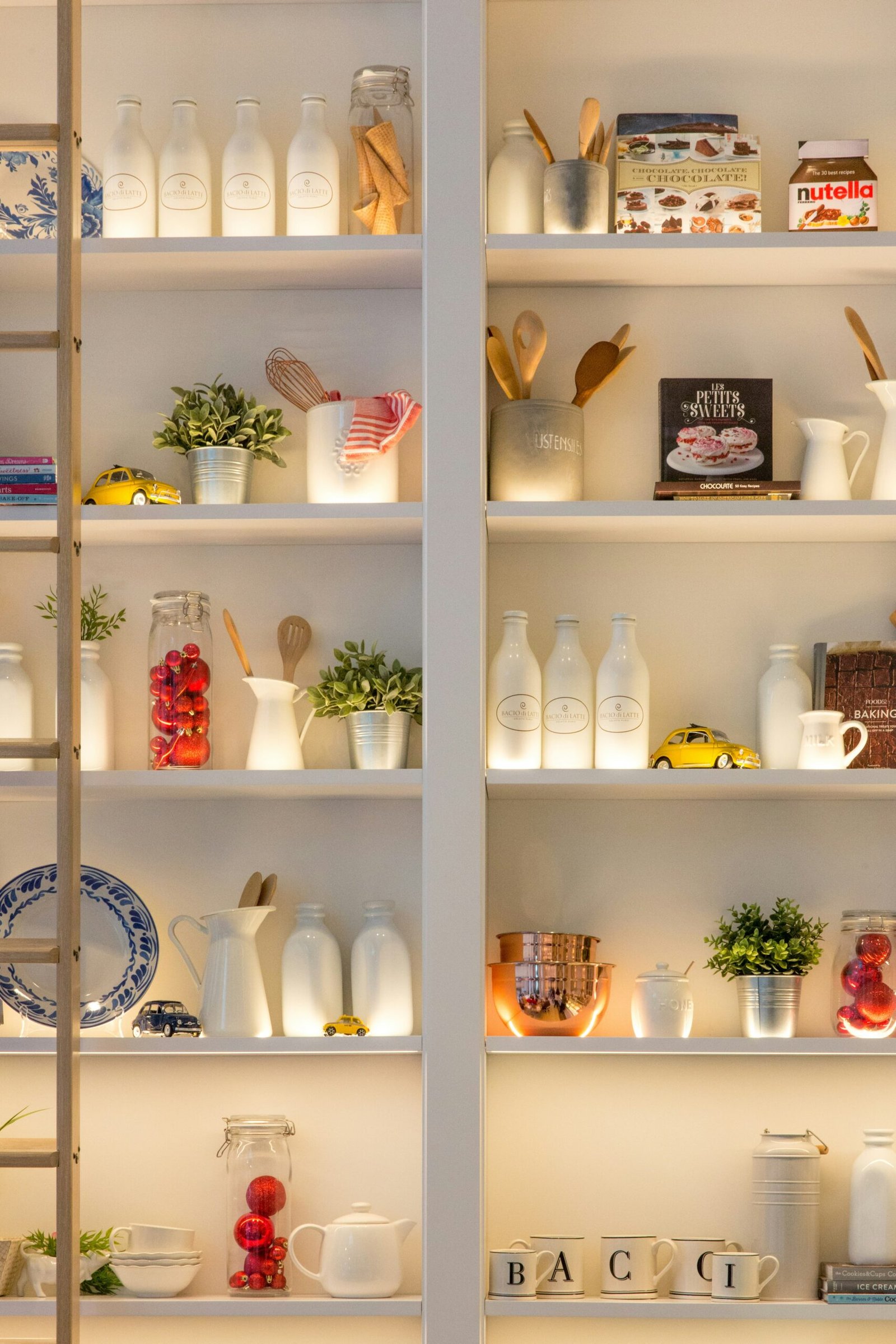
Drawer Dividers That Adjust (Because Life Changes)
Kitchen drawers are mysterious. Utensils wander. Gadgets multiply. One day you open a drawer and realize you somehow own three peelers and none of them are in the same place.
That’s why rigid, locked-in dividers rarely last. What made sense when you were cooking every night doesn’t always work when dinner is leftovers and a side of “good enough.”
The best options:
- Expandable dividers you can slide and adjust
- Modular trays you can rearrange when things shift
What to avoid:
Fixed compartments that lock you into one layout forever.
They give you room to change without blowing up the whole drawer situation every few months.
Practical takeaway:
Pick flexible systems so your kitchen can evolve right along with your life.
Pantry Containers: Only If You Use Them Correctly
Clear pantry containers have a reputation — and honestly, it’s earned. When they work, they’re great. When they don’t, they quietly create more work.
They’re most useful when you’re organizing things you buy often, labeling clearly (future-you is not psychic), and resisting the urge to decant everything you own.
Because transferring every snack into a container you now have to wash is how organization becomes unpaid labor.
What’s worth buying:
- Airtight containers for staples like rice, flour, and oats
- Large bins for categories like snacks, baking, or breakfast
What to avoid:
Over-decanting. If something already comes in a container that works for you, leave it alone.
Practical takeaway:
Organize for access, not aesthetics.
Under-Sink Storage That Respects Plumbing
The space under the sink is awkward. Pipes ruin everything. Accept it.
Instead of fighting that reality, work around it.
What works:
- Stackable bins
- Pull-out caddies with cutouts
- Lazy Susans for cleaning supplies
Avoid anything custom or overly structured. That space needs flexibility, not perfection.
Practical takeaway:
Awkward spaces need loose systems, not rigid ones.
Bathroom Organization That Survives Mornings
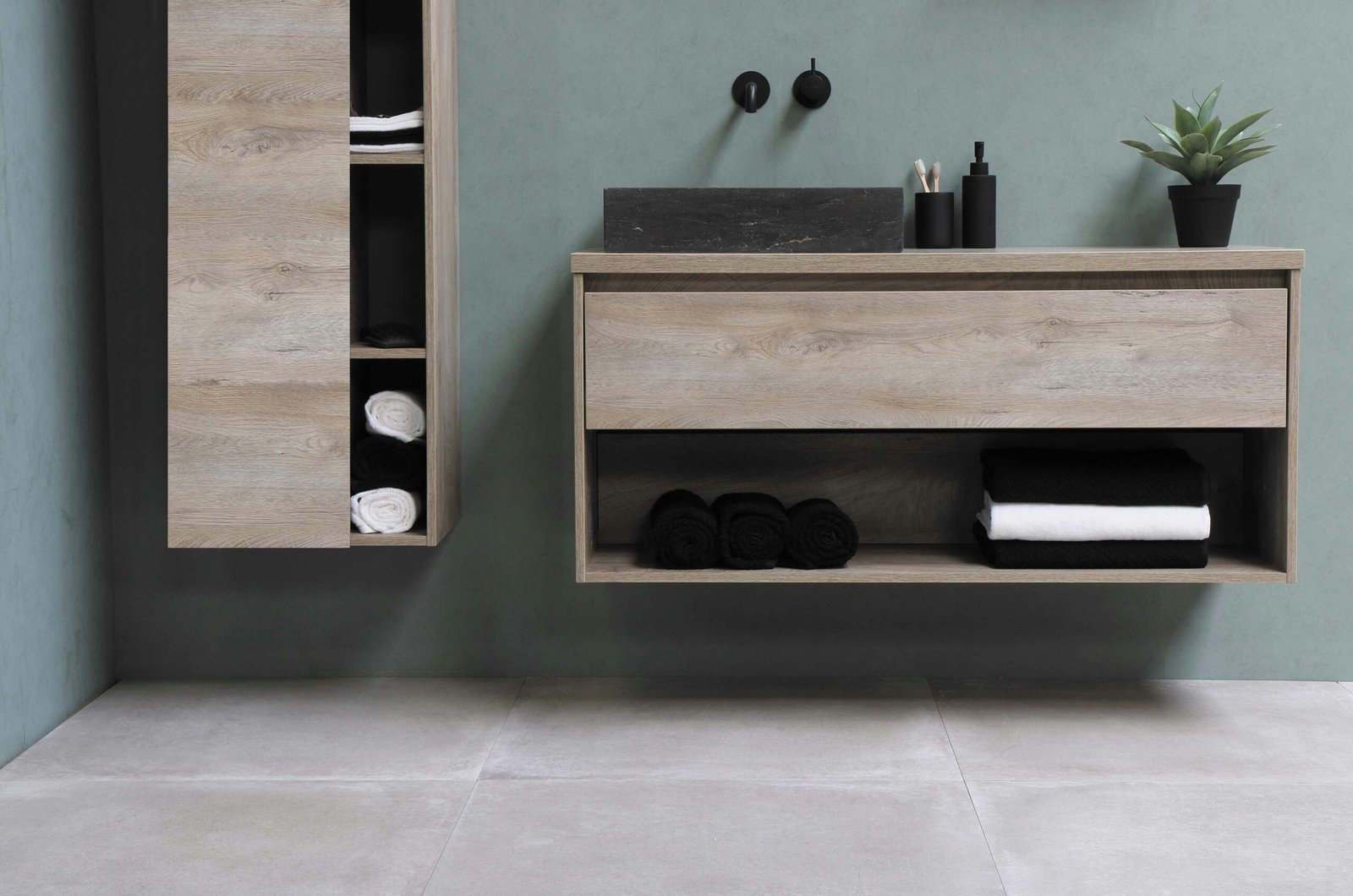
Drawer Inserts for Small Items (Because Clutter Multiplies)
Hair ties. Cotton swabs. Random samples you’re “saving.”
Without boundaries, small items multiply like gremlins.
What works:
- Shallow drawer inserts
- Acrylic or bamboo trays
- Dividers sized for small categories
You don’t need a million compartments. You just need enough separation to stop the pile-up.
What to avoid:
Over-complicated organizers with too many tiny sections.
Practical takeaway:
Tiny clutter disappears when it’s given a tiny home.
Shower Storage That Doesn’t Feel Like a Jenga Game
If opening the shower door causes bottles to fall, the system has failed.
What works:
- Tension pole caddies
- Over-the-showerhead shelves with strong grips
- Securely mounted corner shelves
Suction cups are a gamble. If you enjoy chaos, go for it. Otherwise, choose something sturdy.
Practical takeaway:
Vertical storage wins in tight spaces.
Closet Organization That Doesn’t Require a Personality Change
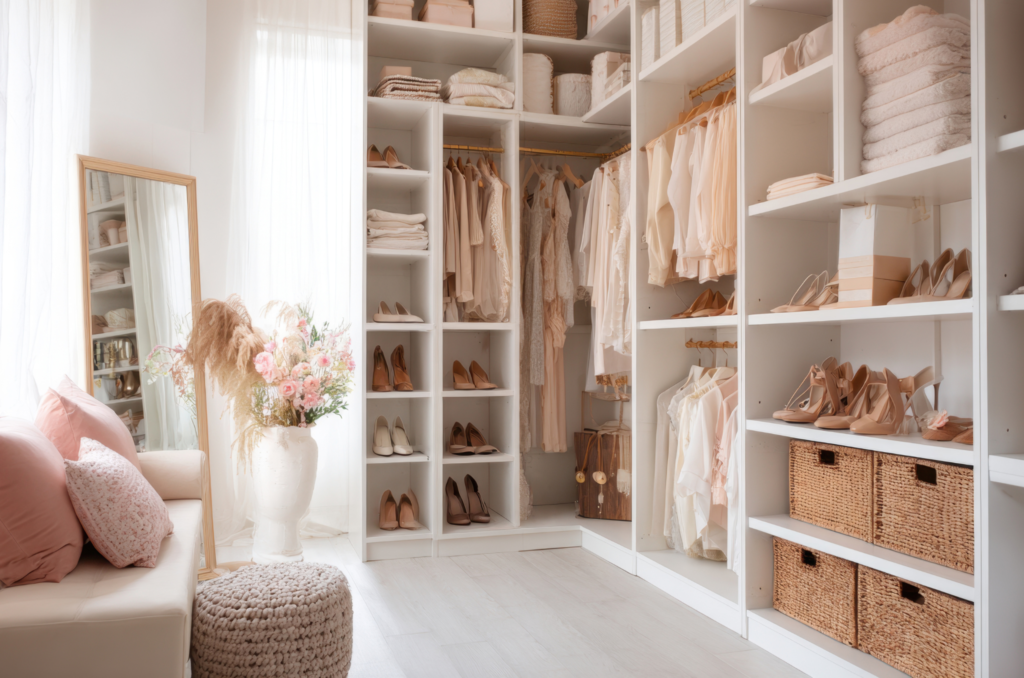
Matching Hangers (Yes, They Matter)
This one sounds shallow, but hear me out.
Matching hangers:
- Save space
- Prevent clothes from slipping
- Make the closet feel calmer
When everything hangs at the same height, your brain has less visual work to do. Velvet or slim-profile hangers are the sweet spot.
Practical takeaway:
Visual simplicity reduces decision fatigue.
Shelf Dividers That Keep Piles From Collapsing
Sweaters, jeans, handbags — gravity is doing the absolute most in your closet, and it’s not trying to help you.
If grabbing one thing turns into an avalanche, shelf dividers are your friend.
What works:
- Clear or metal shelf dividers
- Adjustable designs that stay put
They stop the domino effect where pulling one item destroys the entire shelf.
Practical takeaway:
Support your piles so you’re not rebuilding them daily.
Storage Bins for “Maybe” Items
Not everything needs to be visible all the time.
What works:
- Fabric bins
- Clearly labeled boxes
- Under-bed storage for off-season items
This is where you store:
- Special-occasion clothes
- Backup linens
- Items you don’t use weekly
Practical takeaway:
Out of sight is fine — as long as it’s intentional.
Laundry Room (or Laundry Corner) Organization That Saves Time
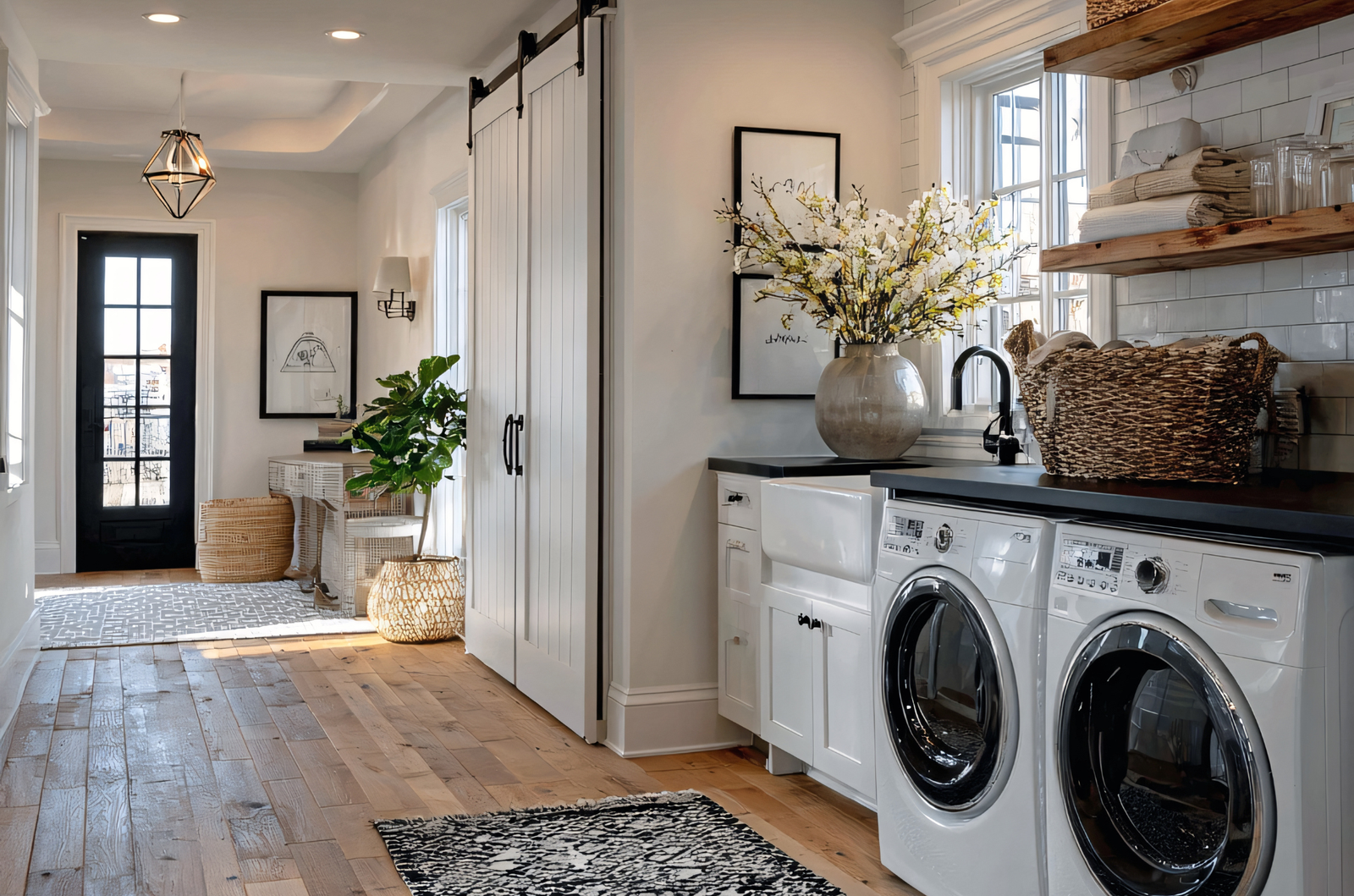
Sorting Bins That Match Your Flow
If sorting laundry feels annoying, the bins are wrong.
What works:
- Separate hampers by category
- Rolling bins for tight spaces
- Lightweight baskets you can actually carry
Avoid anything bulky or heavy. You’ll resent it by week two.
Practical takeaway:
Laundry systems should reduce steps, not add them.
Shelf Storage for Supplies You Actually Use
That shelf full of half-used products? It’s doing too much.
What works:
- One bin for detergents
- One bin for stain removers
- One bin for extras
You don’t need to see every bottle to remember it exists.
Practical takeaway:
Group like with like and move on.
Home Office Organization That Supports Focus
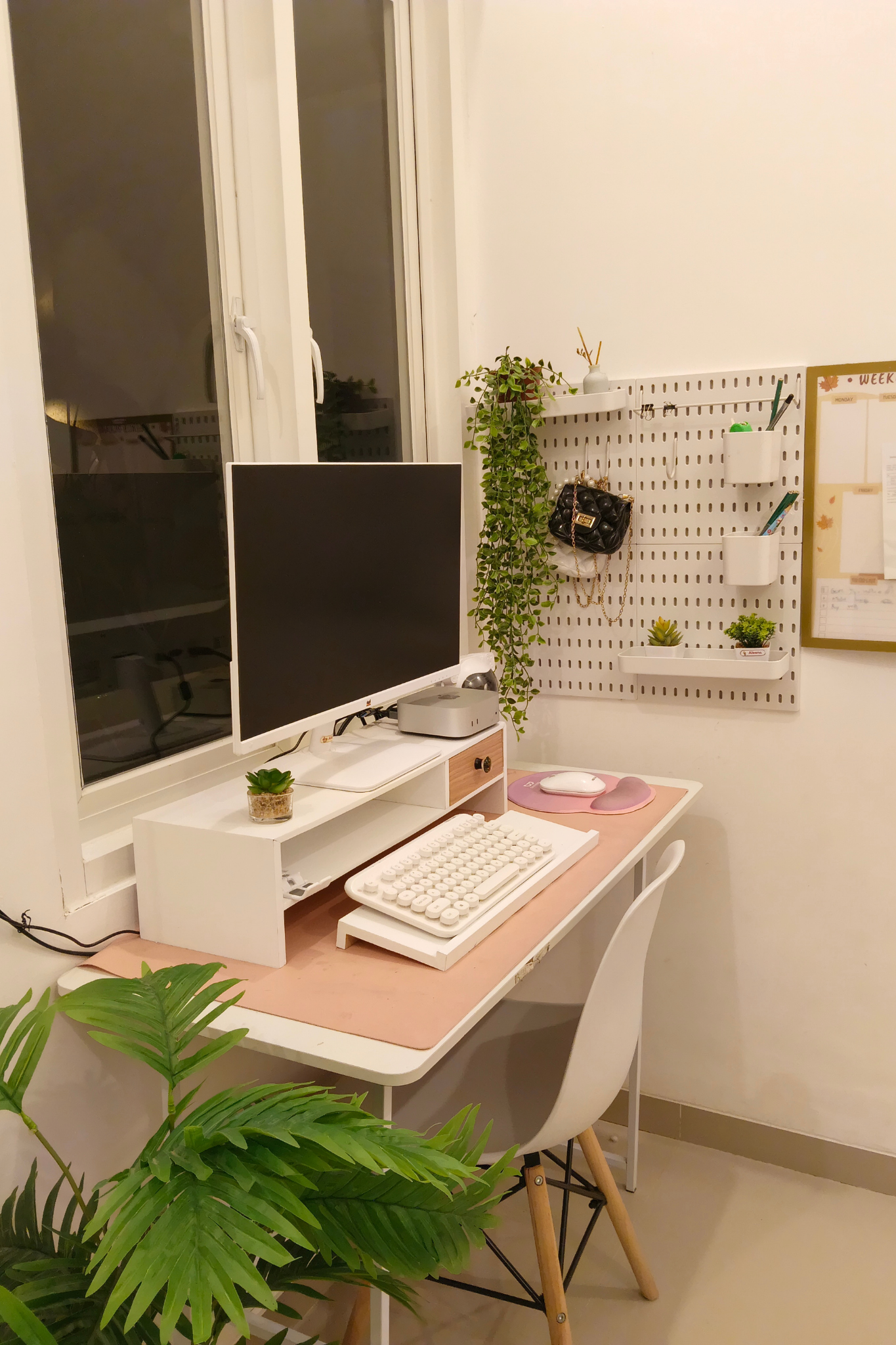
Desk Organizers That Limit Visual Noise
Too much stuff on your desk equals mental static.
What works:
- Vertical file holders
- One catch-all tray
- Drawer organizers for small tools
Aim for fewer visible items — not an empty desk that makes you nervous to use it.
Practical takeaway:
Clear enough beats perfectly clear.
Cable Management (Because We’re All Tired of Cord Chaos)
Somehow, cords multiply when you’re not looking. One minute you have a charger. The next, it’s tangled with three others you don’t even recognize.
A little cable control goes a long way:
- Cable boxes
- Velcro ties
- Labeled chargers
It’s a small fix with an outsized sense of calm.
Practical takeaway:
Tidy cables = instant visual relief.
Storage Products That Sound Good but Rarely Work
Let’s save you some money.
These often disappoint:
- Overly specific organizers with tiny compartments
- Decorative boxes with no labels
- Systems that require folding things just so
If it demands precision, it won’t survive a busy week.
How to Choose Products That Will Actually Stick
Before buying anything, ask:
- Where does this item naturally land right now?
- How much effort does this system require daily?
- Can it handle me on my worst day?
If the answer feels supportive instead of demanding, you’re on the right track.
Start Small (Seriously)
You don’t need to organize your entire home.
Pick one friction-heavy spot:
- The junk drawer
- The entryway
- The bathroom counter
Fixing one daily annoyance can change how the whole house feels.
A Gentle Reminder
Organization isn’t a moral virtue.
Clutter is not a character flaw.
The goal isn’t control. It’s ease.
Choose products that make your life lighter — not ones that quietly judge you from a shelf.
Ready to Make Your Space Work With You?
Before you move on, take a second to notice where your space feels hardest right now. Not the whole house — just the one spot that quietly steals your patience every day. That’s your starting point.
You don’t need a total reset. You don’t need better habits or more discipline.
Start with one small upgrade that removes daily stress — a drawer divider, a drop tray, a bin that finally makes sense. Something simple that meets you where you are.
If this felt helpful, save it for later or share it with someone who could use a little less chaos. And if you’re up for it, try one small change this week and see how it feels.
That’s the kind of organization worth keeping.

