


This post may contain affiliate links. If you purchase through these links, we may earn a small commission at no additional cost to you. As an Amazon Associate we earn from qualifying purchases.
Everyday items that make cleaning easier can completely change how you experience daily chores — not by making you work harder, but by making tasks feel lighter, faster, and more manageable.
Cleaning is one of those things that somehow never ends. You wipe the counter, turn around, and—surprise—it’s dirty again. You fold laundry, blink twice, and there’s another pile judging you from the chair.
If you’ve ever thought, Why is this so hard? Am I just bad at being an adult?—come sit next to me. You’re not broken. You’re busy. And most cleaning advice was not designed with real life in mind.
Here’s the good news: cleaning doesn’t have to mean spending your weekends scrubbing grout with a toothbrush or buying 37 different products that all smell vaguely like disappointment. Sometimes, the biggest upgrade is just using the right everyday items—the kind that quietly do the heavy lifting while you live your life.
Let’s talk about the unsung heroes. The boring-looking things that actually make cleaning faster, easier, and way less annoying.
The Philosophy First: Make Cleaning Easier, Not “Perfect”

Before we get into the items, let’s reset the expectation—because expectations are usually the real problem.
A clean cozy home does not mean:
- Everything is spotless at all times
- You never leave a dish in the sink
- Your house looks like a magazine spread from every angle
A clean home does mean:
- You can reset things quickly
- Messes don’t spiral into full-blown chaos
- Cleaning fits into your life instead of running it
The goal isn’t perfection. It’s friction reduction.
Fewer steps. Less effort. More moments of “oh… that wasn’t actually that bad.”
Everything below earns its spot because it saves time, energy, or mental load—three things you probably don’t have extra of lying around.
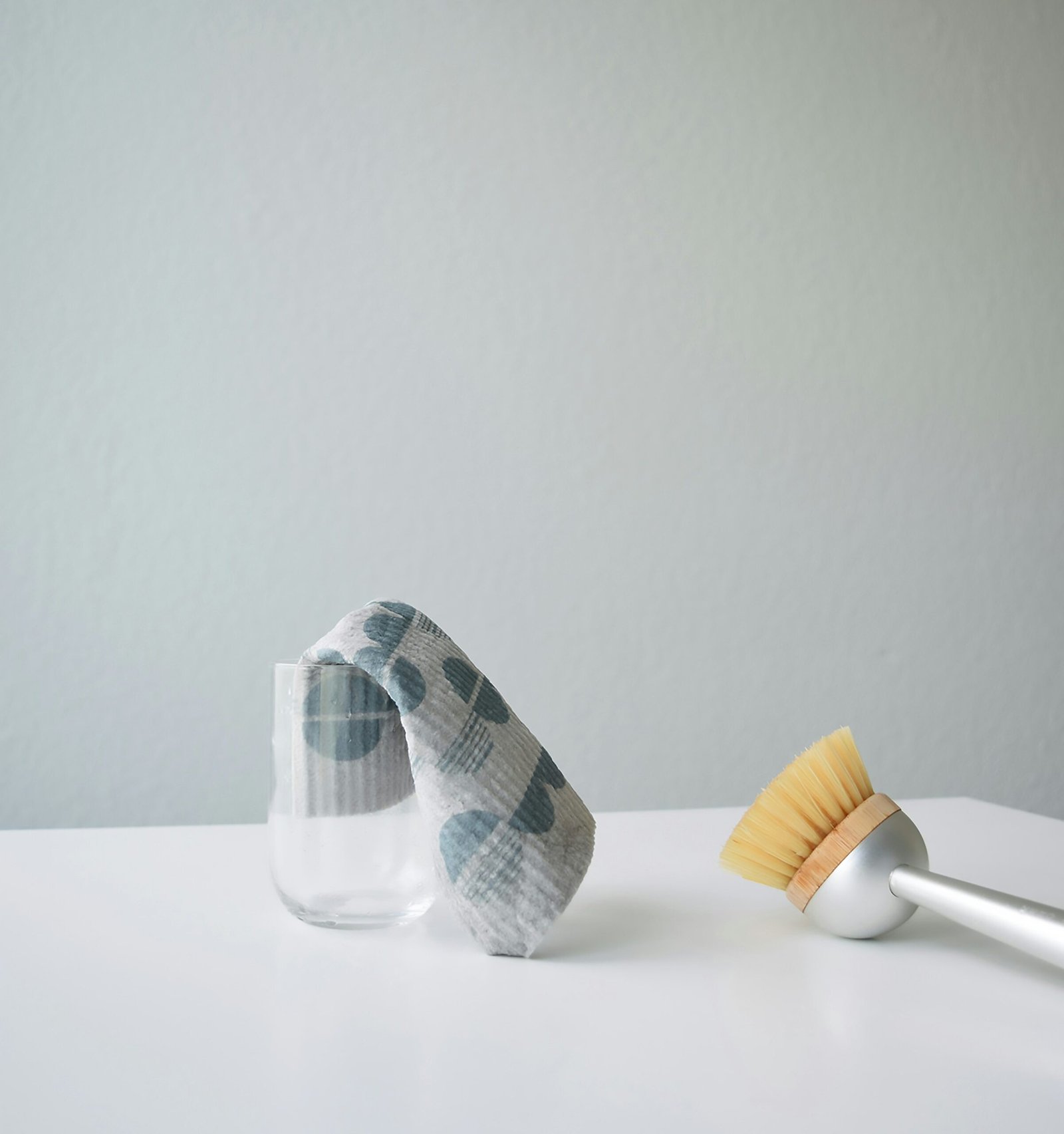
Microfiber Cloths: The Overachiever You Underestimate
Let’s start simple.
Microfiber cloths don’t look exciting. They’re not aesthetic. They don’t promise to “change your life” in aggressive packaging.
And yet.
These little cloths clean better than paper towels, last longer, and somehow manage to pick up dust instead of just pushing it around like it’s playing tag across your furniture.
Why they work:
- They grab dirt instead of smearing it
- They work with just water (no extra product required)
- They don’t leave lint everywhere
Translation: fewer streaks, fewer repeats, less effort.
Keep a small stack in places you already clean:
- Kitchen drawer
- Bathroom cabinet
- Laundry room shelf
Look for thicker cloths (they hold more water and clean better) and avoid ultra-thin cloths that feel like plastic napkins.
Practical takeaway:
Use different colors for different rooms if that helps your brain feel organized. Or don’t. This is not a moral issue.
Spray Bottles Filled With “Good Enough” Cleaner
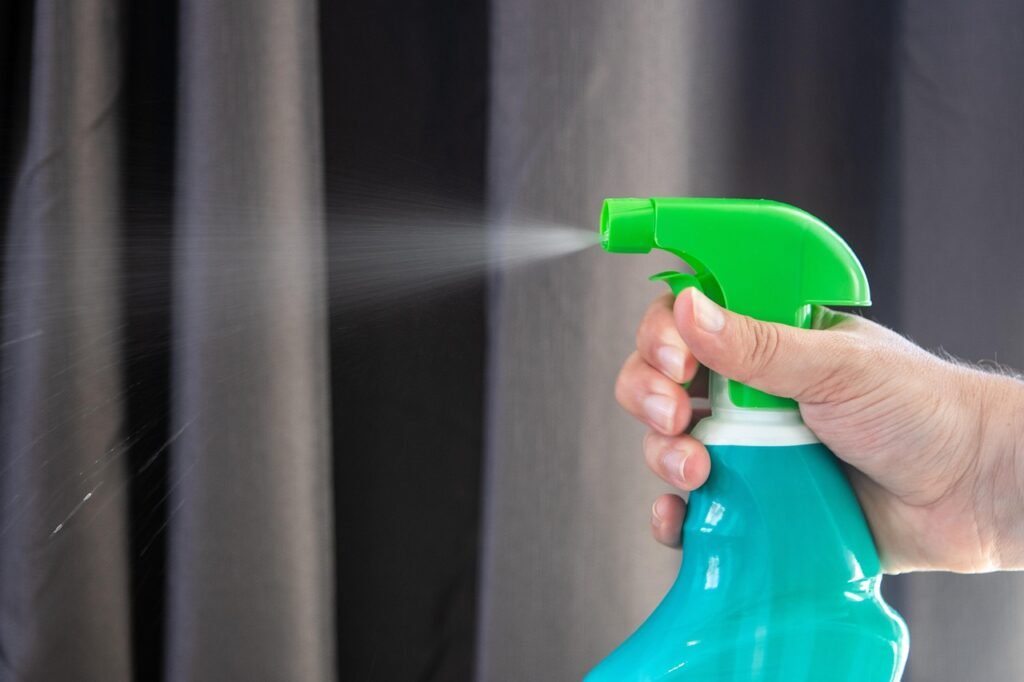
You do not need a separate cleaner for every surface in your home. You need something that works well enough and is always within reach.
A simple spray bottle filled with diluted all-purpose cleaner—or even just water with a little vinegar—can handle:
- Countertops
- Tables
- Bathroom surfaces
- Appliance exteriors
The magic isn’t the formula. It’s accessibility.
If your cleaner lives under the sink behind five other things, you won’t use it. If it’s sitting on the counter or tucked under the bathroom sink, you will.
This is one of the simplest cleaning hacks for busy people because it removes the biggest barrier: starting.
Amazon does this category particularly well, mostly because there are a million options and you can pick based on what matters to you.
Real-life example: a quick spray-and-wipe while waiting for toast to pop up versus a full “I’ll do it later” situation that never happens.
Practical takeaway:
One reliable cleaner you actually use beats six specialty products you forget about.
A Small Handheld Vacuum (Yes, Even If You Own a “Real” One)
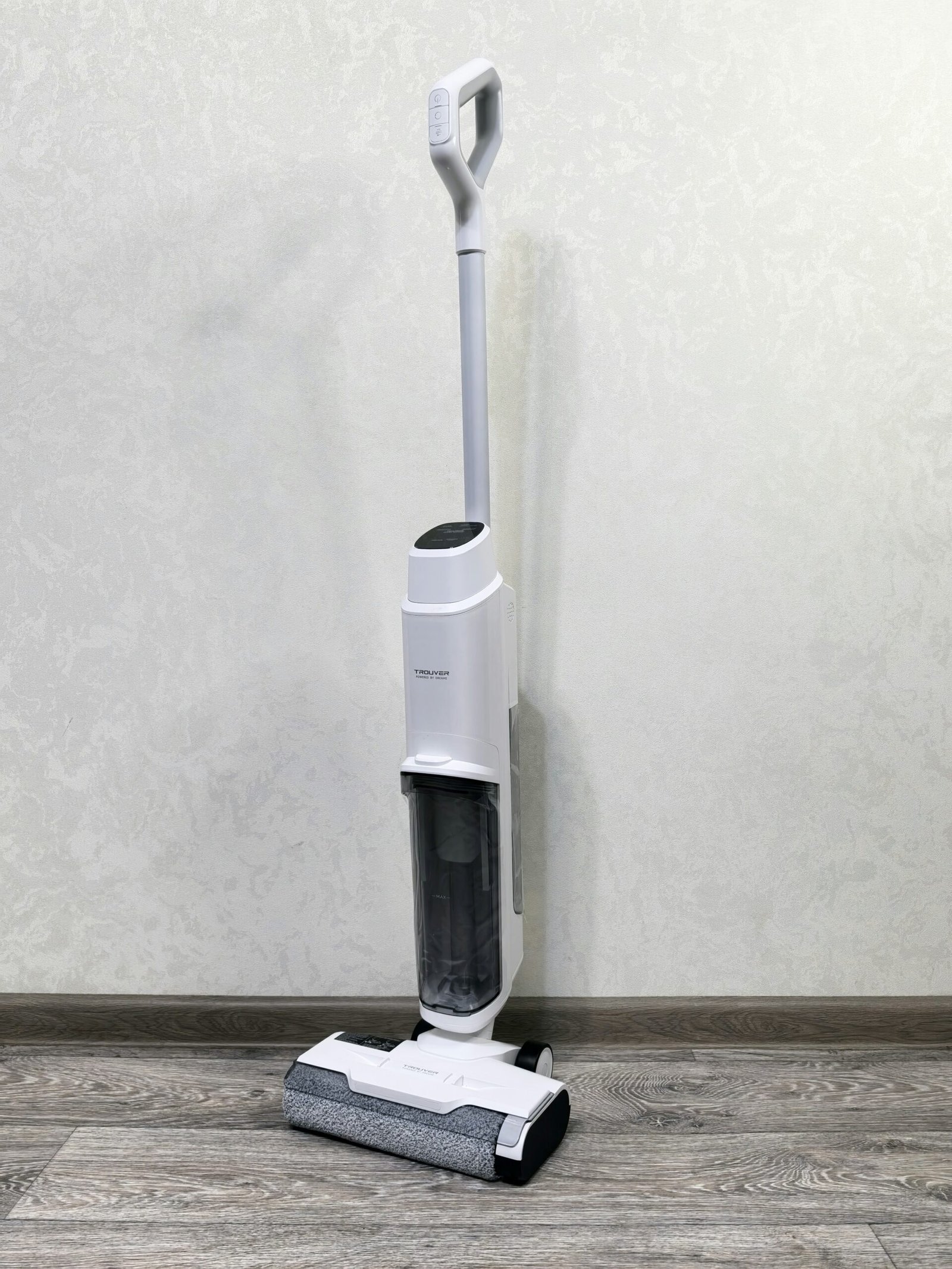
Dragging out a full-sized vacuum for a two-minute mess is a level of commitment most of us do not have.
Enter: the handheld vacuum.
This is for:
- Crumbs under the table
- Pet hair on the couch
- Bathroom floors that somehow collect everything
- The car (especially the car)
Instead of letting the mess build until it feels overwhelming, you can handle it immediately—without breaking a sweat or your will to live.
What to look for in a handheld vacuum
When choosing one, avoid the ones that feel like toys and look for:
- Strong suction (read reviews specifically for pet hair and crumbs)
- A crevice tool (for couch cushions, baseboards, car seats)
- Easy emptying that doesn’t involve touching the dust
- If you’ll use it in the car, cordless is usually the move
What to avoid
- Weak suction that only works on glitter and hope
- Tiny dustbins that fill up mid-clean
Practical takeaway:
Convenience changes behavior. If it’s easy, it gets done.
Laundry Baskets in More Places Than You Think You Need
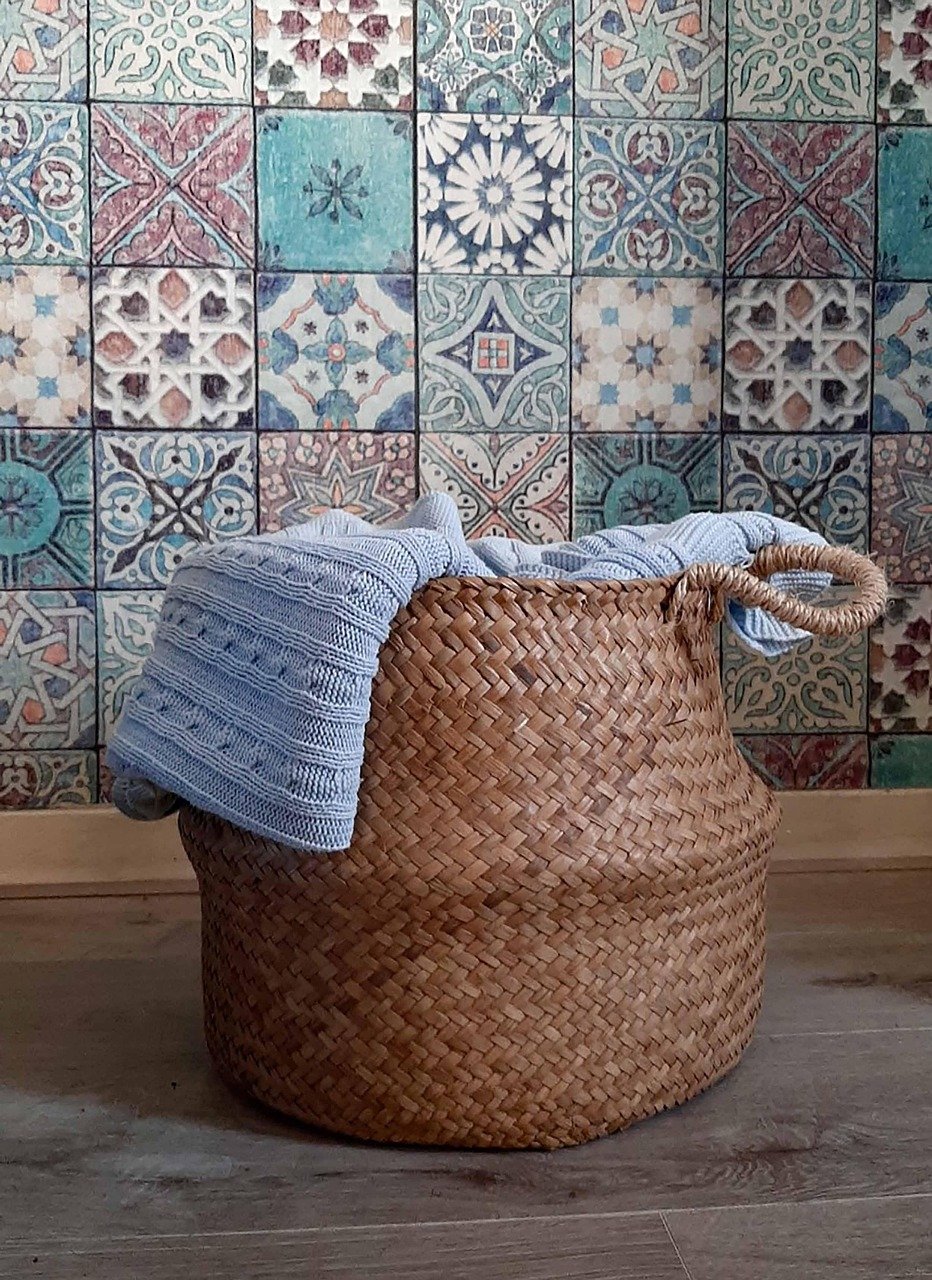
Laundry doesn’t overwhelm us because of the washing. It overwhelms us because clothes migrate.
Socks under the bed. Shirts on chairs. Towels mysteriously abandoned on the floor like they’re on a journey of self-discovery.
Adding laundry baskets to:
- Bathrooms
- Bedrooms
- Closets
means clothes go somewhere instead of everywhere.
This is a great example of simple home organization tips that reduce stress without adding effort.
Real-life example: instead of a chair that becomes a semi-permanent clothing display, you have a basket that quietly contains the chaos.
Practical takeaway:
You don’t need fewer clothes. You need better systems for where they land.
A Dish Brush With a Built-In Soap Dispenser
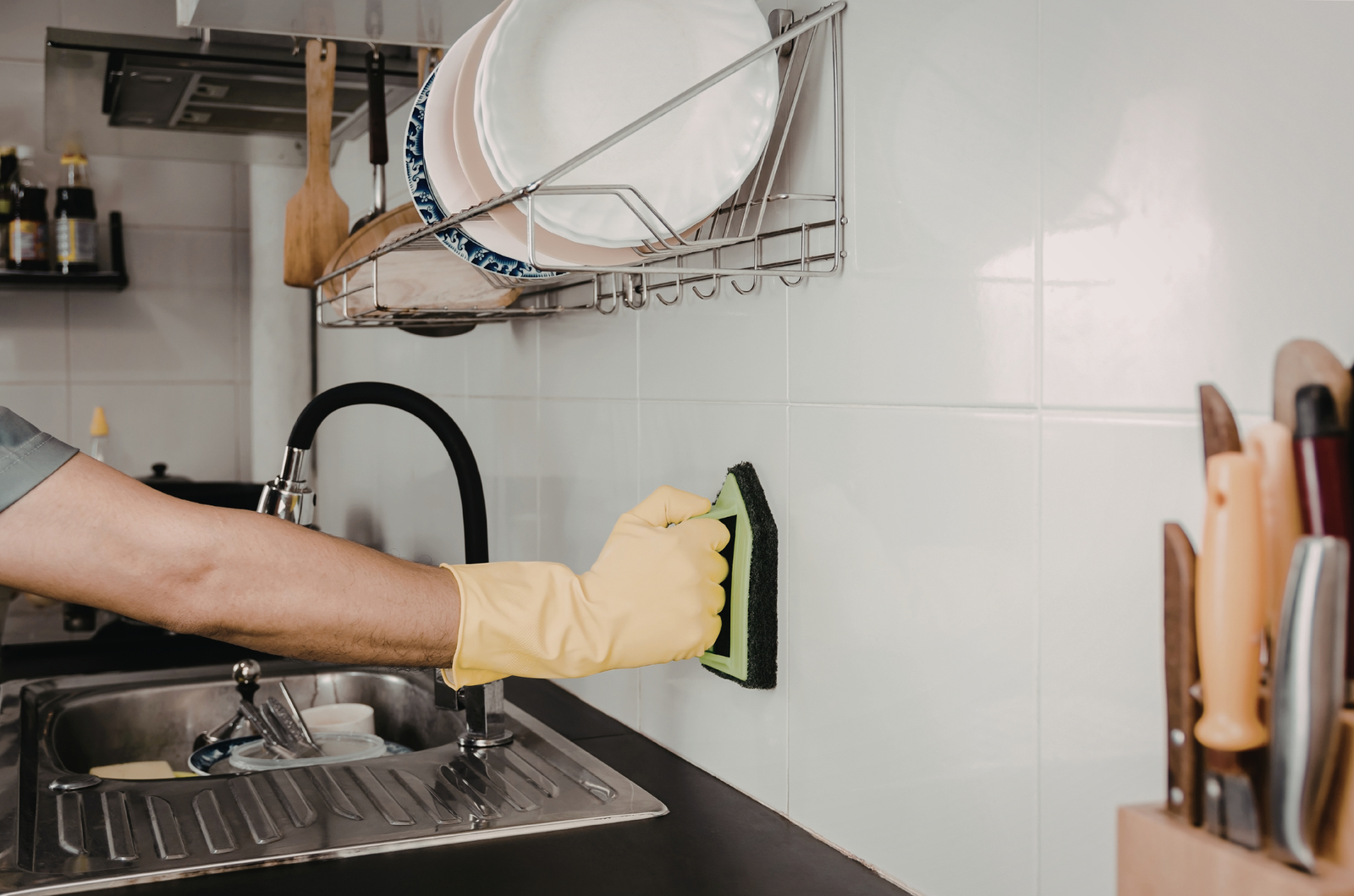
This is one of those items that feels unnecessary until you use it once—and then you’re quietly annoyed you didn’t get one sooner.
A dish brush with soap inside means:
- No separate soap bottle
- Less mess around the sink
- Faster dish rinsing throughout the day
It’s perfect for washing a mug, a plate, or one pan without turning it into a full production involving sleeves rolled up and deep sighs.
When choosing one, avoid the cheap ones that leak and look for:
- A comfortable grip (your hand shouldn’t cramp)
- A leak-resistant soap chamber
- Replaceable heads if you like keeping things fresh
Real-life example: instead of letting dishes pile up until the sink feels hostile, you rinse and wash as you go—because it’s easy.
Practical takeaway:
Small upgrades reduce the mental barrier to starting.
Drawer Dividers That Stop the Junk Drawer Spiral
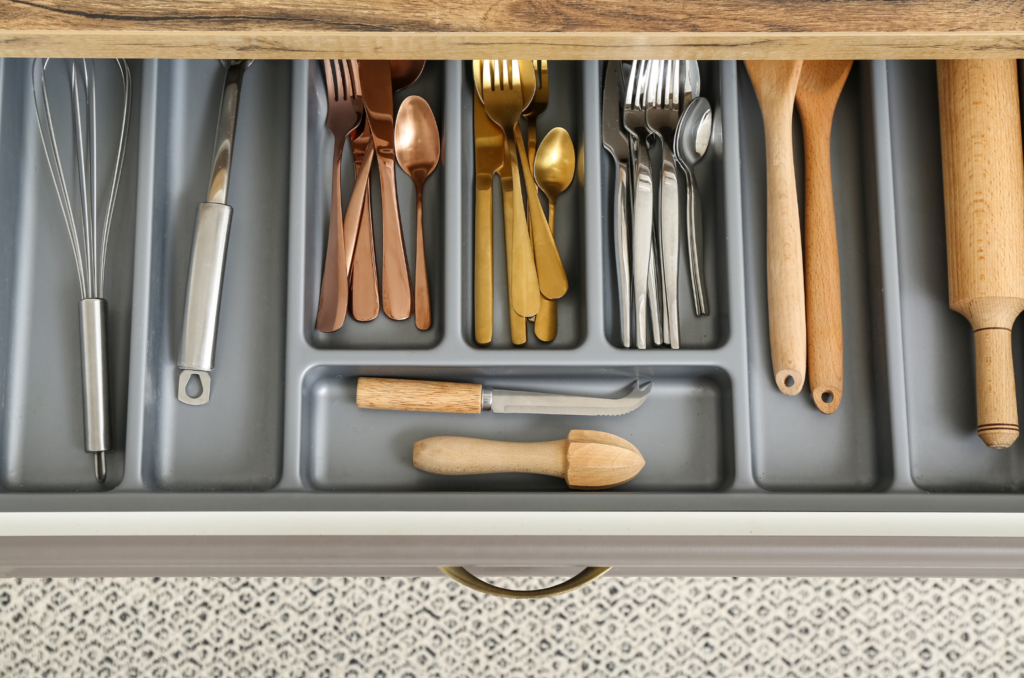
Every home has a junk drawer. Or three.
The issue isn’t the drawer itself—it’s that once everything becomes a pile, you stop opening it. And when you stop opening it, clutter spreads because nothing has a place to go.
Simple drawer dividers:
- Create instant organization
- Make it obvious where things belong
- Save you from daily low-grade irritation
No labeling. No perfection. Just sections.
Real-life example: you can actually find batteries, scissors, or that one charger without muttering under your breath.
Practical takeaway:
Organization doesn’t have to be pretty. It just has to be functional.
A Designated “Drop Zone” by the Door
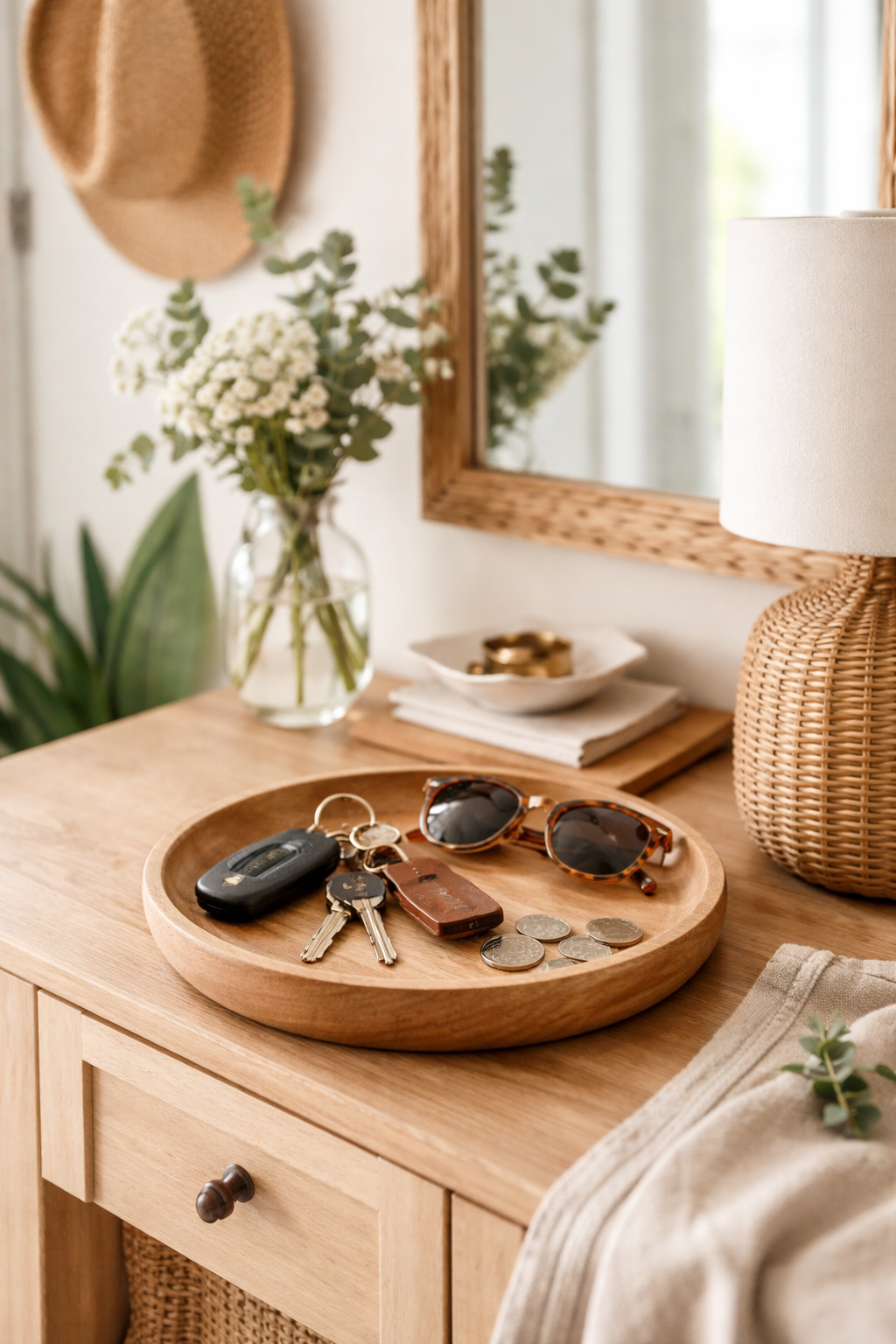
Keys. Bags. Sunglasses. Mail. Random receipts you swear you’ll look at later.
Without a drop zone, these items end up everywhere. With one tray, basket, or hook near the door:
- You stop losing your keys
- You reduce visual clutter
- Leaving the house gets easier
This isn’t about being neat. It’s about eliminating repeated stress you deal with every single day.
Real-life example: mornings become calmer when you’re not searching for essentials five minutes before you need to leave.
Practical takeaway:
If something comes into your house every day, give it a home.
Cleaning Caddies: Not Just for Deep Cleaning
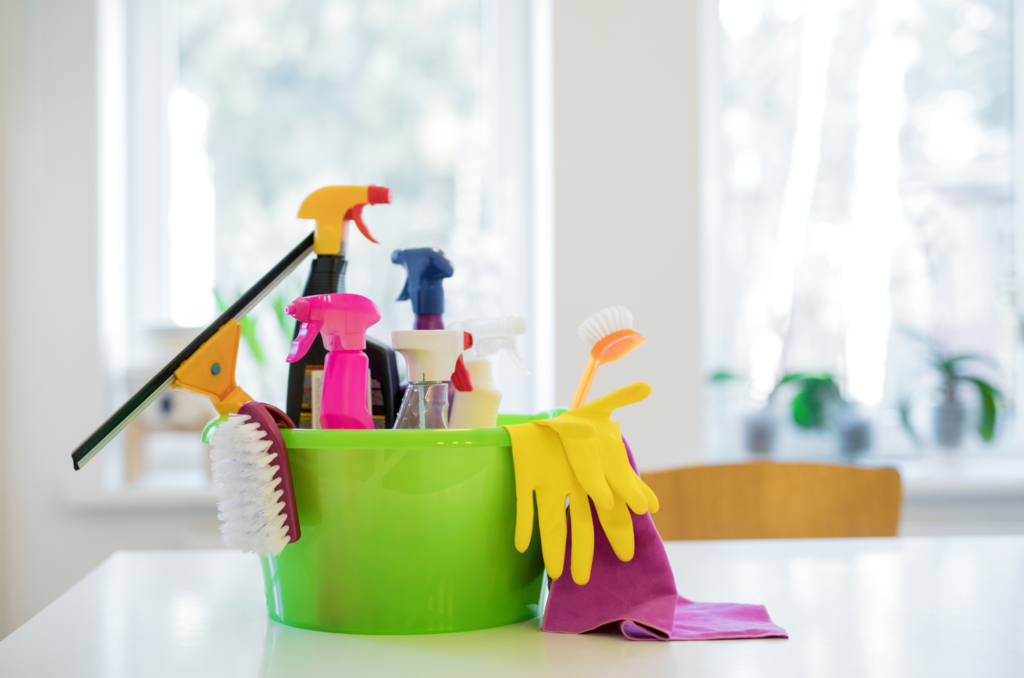
A small cleaning caddy doesn’t have to mean “Saturday morning scrub fest.”
It can simply hold:
- A cloth
- A spray bottle
- Gloves (if you’re a glove person)
Keep one upstairs and one downstairs if you can.
When supplies are nearby, quick cleanups don’t feel like chores. They feel like resets—tiny moments of control in a busy day.
What to look for
- Lightweight and easy to carry
- Enough compartments to prevent tipping
- A handle that doesn’t dig into your hand
What to avoid
- Oversized caddies (they become storage bins, not tools)
Practical takeaway:
Reduce the distance between you and the task.
Trash Cans Where You Actually Need Them
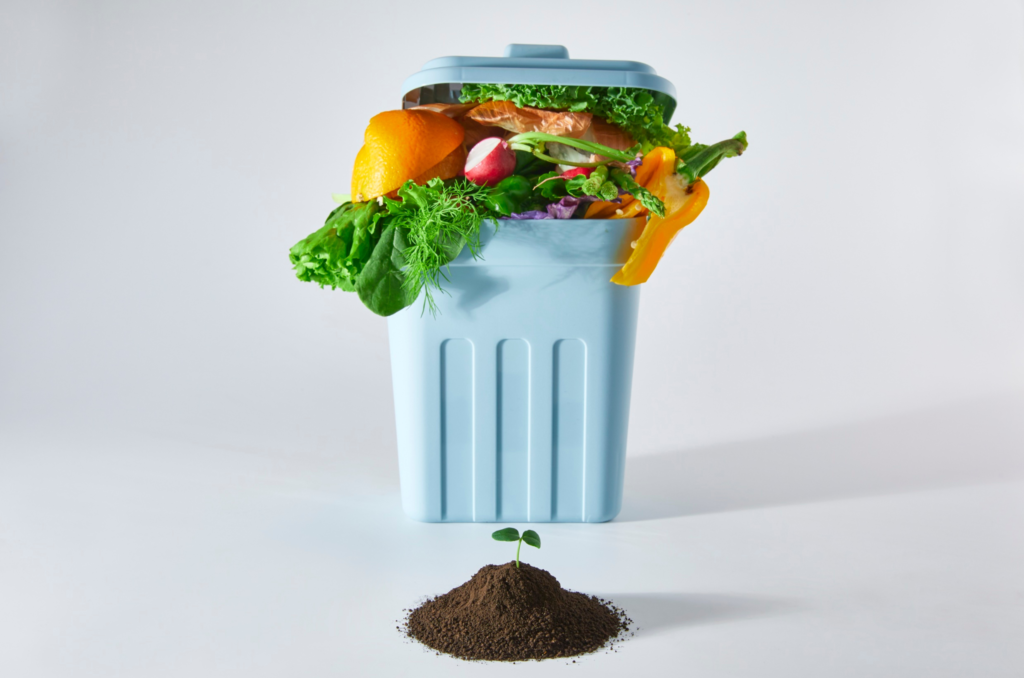
This feels obvious. And yet.
If you constantly find yourself carrying trash from one room to another, it’s not a discipline problem. It’s a placement problem.
Consider adding small trash cans to:
- Bathrooms
- Home offices
- Bedrooms
Less walking. Less buildup. Less annoyance.
Look for easy clean liners or removable bins, avoid open bins in places where odors build quickly.
Practical takeaway:
Design your space for how you live, not how you think you should live.
Refillable Mop Systems (Goodbye, Bucket Drama)
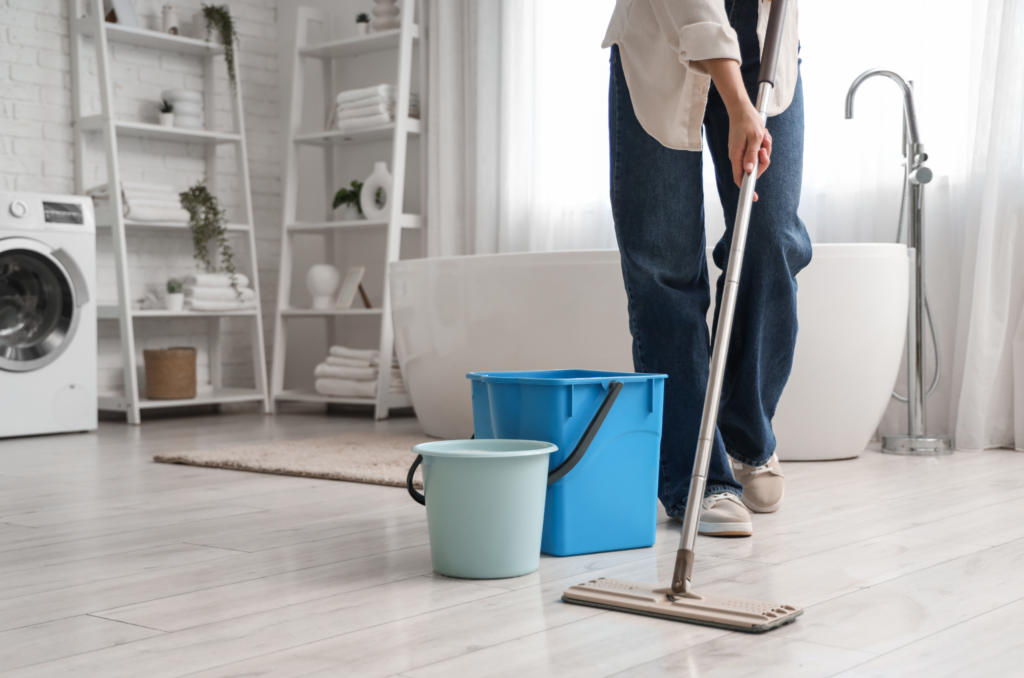
Traditional mopping is… a lot.
Buckets. Water everywhere. The whole floor being wet for an eternity while you tiptoe around like it’s a freshly painted crime scene.
Refillable spray mops simplify the process:
- No heavy buckets
- Quick touch-ups
- Less setup and cleanup
This turns floor cleaning into a five-minute task instead of an afternoon commitment.
Practical takeaway:
When cleaning feels lighter, you’ll do it more often—without resentment.
Hooks. So Many Hooks.

If you don’t have hooks, things end up on chairs. If you have hooks, suddenly chairs can be chairs again.
Hooks are perfect for:
- Bags
- Jackets
- Hats
- Towels
- Tomorrow’s outfit
They’re inexpensive, easy to install, and shockingly life-changing.
Practical takeaway:
Vertical storage is your friend.
Storage Bins Without Lids (Yes, Really)
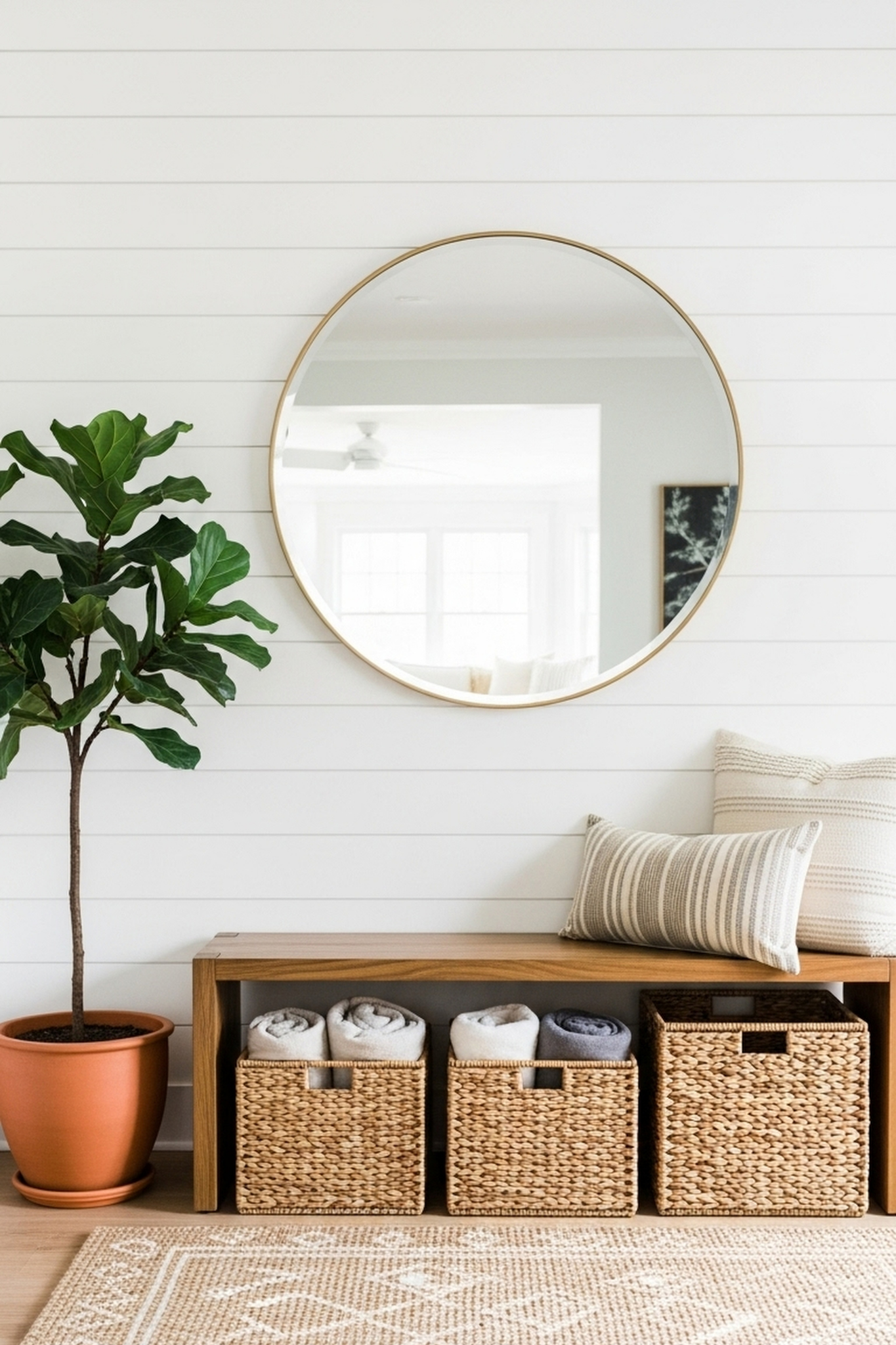
Lids seem like a good idea until they slow you down.
They’re ideal for:
- Toys
- Blankets
- Shoes
- Cleaning supplies
What to look for
Amazon does this category particularly well because you can find bins sized for shelves, closets, and cube storage.
- Sturdy sides that don’t collapse
- Handles for carrying
- Sizes that match your shelves so they don’t look sloppy
If you have to open something to put it away, you’re less likely to bother—especially at the end of a long day.
Practical takeaway:
Ease beats aesthetics every time.
The “Ten-Minute Reset” Toolkit
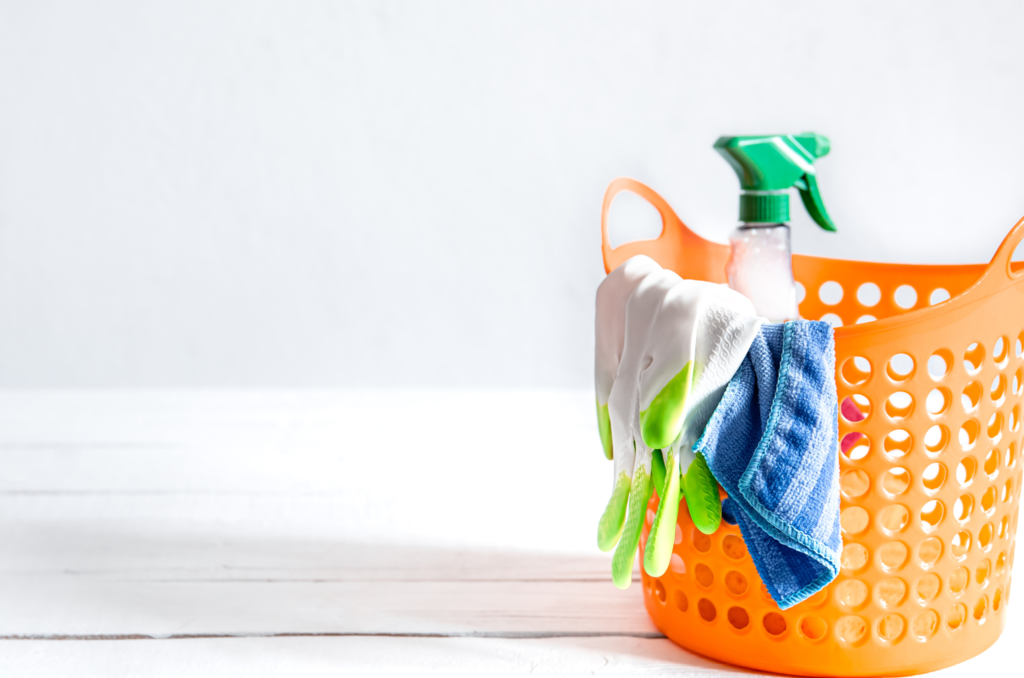
This isn’t one item—it’s a combination that works together.
A cloth. A spray bottle. A basket.
That’s it.
This trio lets you do a quick reset when things start to feel chaotic. You wipe surfaces, toss clutter into the basket, and suddenly the room feels calmer—even if nothing is technically “finished.”
Right in the middle of busy routines, this is where everyday items that make cleaning easier truly shine — not because they are fancy, but because they make quick resets possible.
Practical takeaway:
You don’t need more time. You need better tools.
Why This Actually Works (A Little Science, Very Chill)
When cleaning feels overwhelming, your brain avoids it. This isn’t laziness—it’s neuroscience.
The more steps a task has, the more resistance your brain feels. Everyday items that reduce steps:
- Lower decision fatigue
- Increase follow-through
- Make habits stick
You’re not failing at cleaning. The systems just haven’t been supporting you.
Bringing It All Together

You don’t need to overhaul your home. You don’t need to buy everything on this list.
Start with one or two items that feel like they’d remove friction from your daily life. Notice how it changes things. Then build from there.
Cleaning isn’t about becoming a different person. It’s about supporting the one you already are.
Frequently Asked Questions
What are the most essential everyday cleaning tools to start with?
Start with microfiber cloths, a simple spray cleaner, and a small handheld vacuum. These handle most daily messes.
Do I need expensive cleaning products to keep my home clean?
No. Accessibility and consistency matter more than price. Simple tools you actually use work best.
How can I make cleaning feel less overwhelming?
Reduce steps. Keep supplies nearby and focus on quick resets instead of perfect deep cleaning.
What’s the easiest way to stay organized daily?
Create drop zones, use open storage bins, and place baskets where clutter usually gathers.
A Gentle Next Step
Take a moment to notice where cleaning feels most annoying right now. Not everything—just the one spot that always seems to spiral. That’s usually the place worth starting.
You don’t need a perfect system or a full reset. One small change—a better tool, a closer bin, a simpler setup—can make daily life feel noticeably lighter.
If one idea stood out, try it this week. Or save this for the next time things feel harder than they should.
Because in the end, everyday items that make cleaning easier aren’t about perfection — they’re about making real life feel a little calmer, one small improvement at a time.

