


This post may contain affiliate links. If you purchase through these links, we may earn a small commission at no additional cost to you. As an Amazon Associate we earn from qualifying purchases.
When it comes to calm evening routine essentials, here’s the thing nobody tells you about evenings:
They’re not just the end of your day.
They’re the runway for tomorrow.
How you land at night quietly shapes how you wake up, how your nervous system behaves, and how much capacity you have for… literally everything. Focus. Patience. Energy. Even though your body feels when you roll out of bed.
And yet most evenings look like this:
One more scroll. One more email. One more episode you didn’t even mean to start.
If your nights feel rushed, wired-but-tired, or like they disappear without actually restoring you, you’re not broken. You’re just living in a world that doesn’t naturally downshift.
A calm evening routine isn’t about discipline or aesthetic rituals.
It’s about signaling safety to your nervous system and giving your body permission to power down.
Let’s talk about what actually helps — and what’s worth having around to support it.
What a Calm Evening Routine Really Is (and Isn’t)
First, let’s clear something up.
A calm evening routine is not:
- A 12-step skincare ritual you must do perfectly
- A rigid bedtime schedule that adds pressure
- Another thing to “fail” at when life happens
It is:
- A series of small cues that tell your body, “We’re safe. You can rest now.”
- Flexible, forgiving, and adaptable to real life
- Built around nervous system regulation, not productivity
Calm isn’t something you force.
It’s something you allow.
And the good news? Your body already knows how to get there. You just need to stop interrupting it.
Calm Evening Routine Essentials
Start by Lowering the Noise (Before You Add Anything)
Most people try to add calm on top of chaos.
Candles. Tea. Meditation apps.
All while their phone is still buzzing and their brain is sprinting.
Before you add, subtract.
The power-down window before bed
About 60–90 minutes before sleep, your nervous system starts looking for cues. If it doesn’t get them, it assumes danger or unfinished business.
This is one of those moments where small, intentional changes are actually worth investing in.
Try one (not all) of these:
- Put your phone on Do Not Disturb instead of face-down scrolling
- Close email and work tabs, even if you don’t “feel done”
- Lower the overall stimulation in your space
Lowering stimulation is more powerful than adding relaxation tools.
Your body doesn’t need convincing.
It needs quiet.
Soft Lighting: One of the Most Underrated Calm Evening Essentials

Light is information.
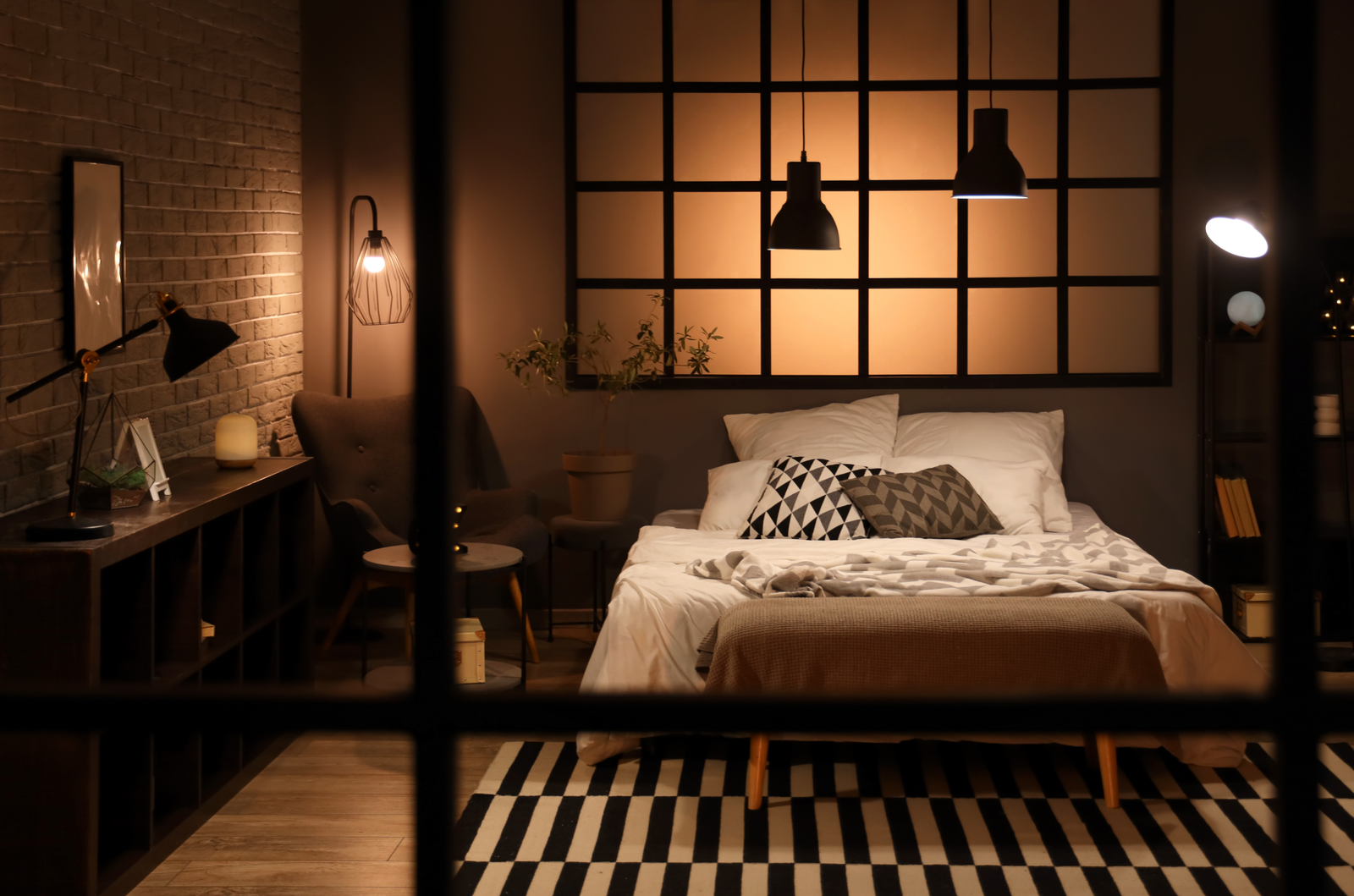
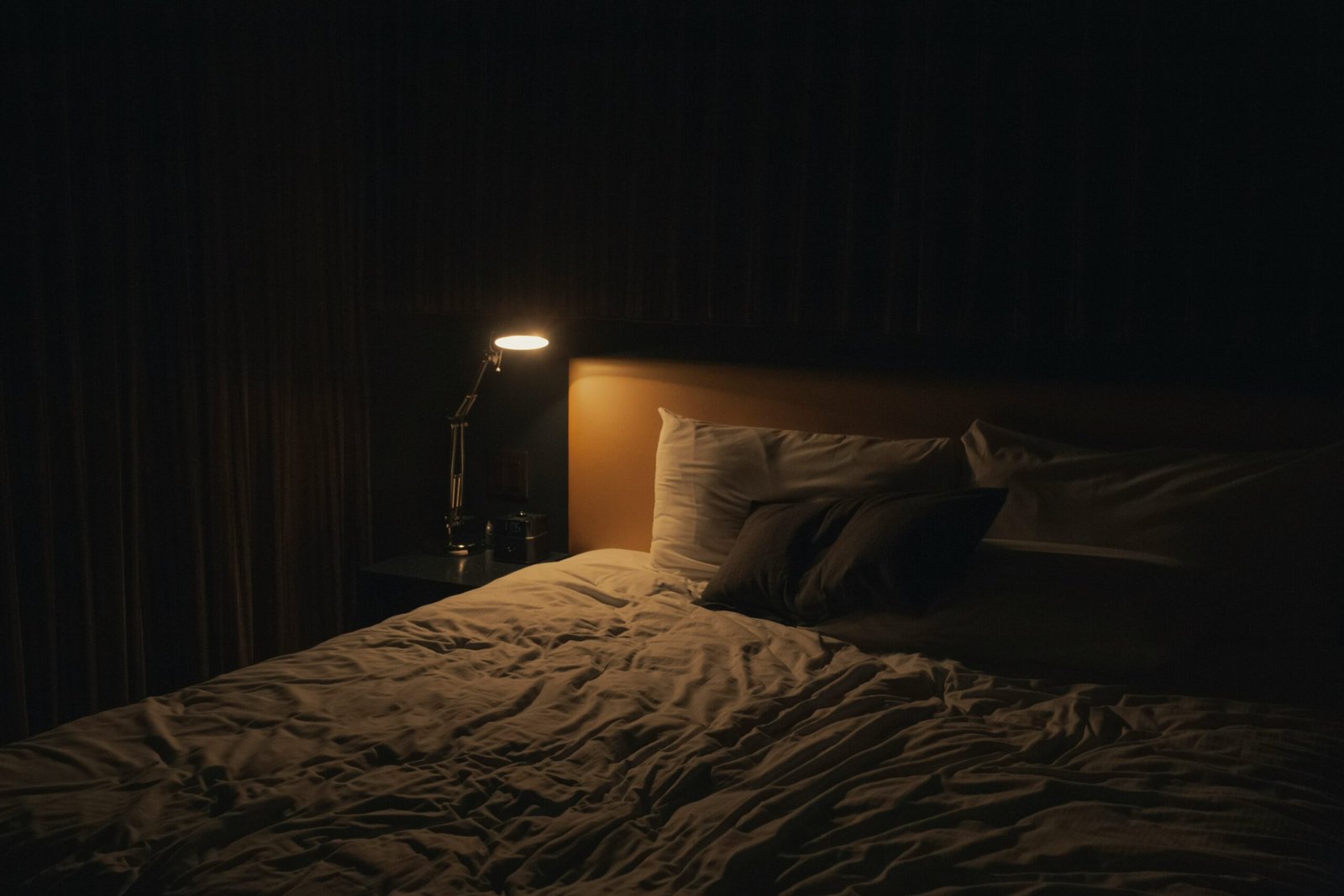
Your brain uses it to decide whether it’s time to be alert or to rest. Bright, overhead lighting at night tells your nervous system: Stay on. Soft, warm light says: You can exhale.
This is one of those items worth being intentional about because the payoff is immediate.
What to look for in evening soft lighting
- Warm bulbs (2700K or softer)
- Lamps or wall lighting instead of overheads
- Dimmable options so you can lower intensity as the night goes on
What to avoid
- Cool or daylight bulbs at night
- Bright overhead lighting after dinner
- Harsh, single-source light
Amazon does this category particularly well — especially for affordable lamps and warm bulb multipacks — and it’s an easy upgrade that changes the entire feel of your evenings.
No supplements. No affirmations. Just biology.
Eat Dinner Like You’re Not in a Rush (Even If You Are)

You don’t need a “perfect” dinner.
You need a calm one.
When you eat quickly, distracted, or standing at the counter, your nervous system stays in fight-or-flight. Digestion becomes harder. Sleep quality can suffer.
This isn’t about food rules. It’s about tone.
Gentle dinner habits that support better sleep
- Sit down, even if it’s brief
- Take three slow breaths before your first bite
- Eat without your phone for the first five minutes
That’s it.
Those first moments tell your body whether this meal is safe and nourishing or something to rush through.
Calm digestion supports calm sleep. They’re more connected than most people realize.
Create a Clear “End of Day” Transition Ritual

Most of us jump straight from doing to collapsing.
What’s missing is a transition.
A calm evening routine works best when there’s a clear signal that the day is over. Not just paused.
Pick one simple closing practice
Think punctuation, not performance.
Ideas that work in real life:
- Writing down tomorrow’s top three priorities
- A short walk after dinner
- Changing into comfortable clothes immediately
This is one of those moments where having the right tools nearby helps the habit stick.
Helpful things to have on hand
- A dedicated notebook or planner for brain-dumping
- Comfortable loungewear that actually signals “day is done”
- Slip-on shoes for a quick walk
When your brain knows things are handled — or at least parked — it stops looping.
Consistency Beats Complexity Every Time

Your nervous system loves repetition.
Doing the same few things each night — even imperfectly — teaches your body what comes next. And predictability equals safety.
Build a repeatable evening rhythm, not a rigid schedule
Instead of exact times, think sequence.
For example:
- Dinner
- Light cleanup
- Shower or wash face
- Low-stimulation activity
- Bed
Your routine doesn’t have to look impressive.
It just has to feel familiar.
This is why investing in a few reliable, repeat-use items matters more than chasing trendy wellness tools.
The Science-Backed Power of a Warm Shower Before Bed

A warm shower or bath isn’t just relaxing. It’s physiologically smart.
When your body temperature rises slightly and then cools afterward, it helps trigger sleepiness. This mimics your natural circadian rhythm.
Plus, warm water relaxes muscles and signals comfort.
Make your shower evening-friendly
- Keep the lighting dim
- Avoid super stimulating music or podcasts
- Let it be a sensory experience, not multitasking time
This is one area where shower accessories and bath products can actually support calm — but only if they’re simple.
What to look for
- Scents that are soft and grounding (not overly perfumed)
- Minimal ingredients
- Products that feel comforting, not energizing
What to avoid
- Strong, citrusy, “wake-up” scents
- Anything that turns your shower into another task
Think of it as washing the day off, not catching up.
Choose One Low-Stimulation Evening Activity

Your brain needs something to land on.
But not something that revs it up.
The goal is gentle engagement — enough to prevent anxious rumination, not enough to spike alertness.
Calm evening activities are worth having around
- A light, easy-to-read book
- A stretching mat or soft blanket
- Puzzles, knitting, or hand-busy hobbies
- Audiobooks or calming music
If you’re watching TV, choose intentionally. Comfort shows over cliffhangers.
Your nervous system doesn’t need surprises at 9 p.m.
The Phone Boundary That Actually Helps You Sleep

You don’t have to ban your phone to create calm.
You just need to change how — and where — you use it.
A realistic phone boundary for evenings
- No phone in bed (on the nightstand is okay)
- Set a clear “last scroll” time
- Replace scrolling with one grounding activity
This is one of those habits that’s easier when you’ve set your environment up for success.
Helpful swaps
- An alarm clock instead of using your phone
- A book or journal within reach
- Charging your phone across the room
Scrolling keeps your brain in comparison, consumption, and vigilance mode.
Your body can’t rest while your mind is on patrol.
Sleep-Friendly Cues That Tell Your Body It’s Time to Rest

Your body responds to signals, not intentions.
Even if you don’t feel sleepy yet, these cues help prepare your system.
Gentle cues that work
- Brushing your teeth earlier than usual
- Changing into pajamas before you’re exhausted
- Dimming lights progressively as the night goes on
When choosing sleepwear or bedding, comfort matters more than aesthetics.
What to look for
- Breathable fabrics
- Soft textures that feel soothing on your skin
- Nothing tight or restrictive
- Sleep products that improve rest
Think of it as easing into sleep, not crashing into it.
When Your Brain Won’t Shut Off at Night

Some nights, calm feels elusive.
If your mind starts racing the moment you lie down, it doesn’t mean you failed. It means your nervous system is still holding onto the day.
H4 What actually helps in the moment
- A slow body scan, starting at your feet
- One hand on your chest, one on your belly
- Long exhales (double the length of the inhale)
Trying to force sleep backfires.
Inviting rest works better.
This is where tools like journals, breathwork prompts, or guided audio can be helpful — as long as they’re calming, not performative.
The Emotional Side of Calm Evenings

Evenings are when feelings show up.
The distractions are gone. The noise quiets. And suddenly, everything you didn’t process all day knocks.
This is normal.
A calm evening routine doesn’t erase emotions.
It creates space to feel them safely.
That might look like:
- Journaling without fixing anything
- Letting yourself cry in the shower
- Simply naming what you’re feeling
Calm doesn’t mean numb.
It means regulated.
If You Miss a Night (Because You Will)

No routine works 100% of the time.
Life happens. Deadlines run late. Kids get sick. Energy disappears.
Missing a night doesn’t undo your progress.
What matters is returning — without guilt.
Your nervous system learns from patterns, not perfection.
How Calm Evenings Change Your Days
When evenings become gentler, mornings often follow.
You may notice:
- Easier wake-ups
- Fewer stress spikes
- More emotional resilience
- Better digestion and sleep quality
Not because you optimized anything.
But because you finally gave your body permission to rest.
Frequently Asked Questions
What are calm evening routine essentials?
They’re simple tools and habits that signal safety to your nervous system — like soft lighting, predictable routines, low stimulation activities, and sleep-friendly cues.
How long should a calm evening routine be?
There’s no required length. Even 15–30 intentional minutes can make a noticeable difference.
Do I need to buy products to create a calm evening routine?
No — but having a few supportive essentials (like warm lighting or comfortable sleepwear) can make calm easier to access consistently.
What if I don’t feel calm even with a routine?
That’s normal. Calm builds over time. The routine is about regulation, not instant relaxation.
Build Your Version of a Calm Evening Routine

There is no universal routine.
The best calm evening routine essentials are the ones you’ll actually do on a regular Tuesday when you’re tired and over it.
Start with one change.
Let it settle.
Add slowly, if you want.
Calm isn’t something you earn by doing more.
It’s something you create by doing less — intentionally.
If you’re craving more science-backed, pressure-free ways to support your body and nervous system, Maven Daily Living is here for you.
No extremes. No guilt. Just grounded guidance — and thoughtfully chosen essentials — that fit real life.
Because rest shouldn’t feel like another responsibility.

