


This post may contain affiliate links. If you purchase through these links, we may earn a small commission at no additional cost to you. As an Amazon Associate we earn from qualifying purchases.
You finally crawl into bed. The house is quiet. Your phone is face-down. You did everything “right.”
And yet… your brain fires up like it’s hosting a late-night talk show.
Tomorrow’s to-do list. That thing you said three years ago. Whether magnesium actually works. Why your pillow suddenly feels like a sack of regrets.
If this sounds familiar, you’re not broken. You’re not bad at sleeping. And you definitely don’t need a 27-step nighttime routine or a $400 gadget promising “deep rest optimization.”
Better sleep often starts with something way less dramatic: your bedroom.
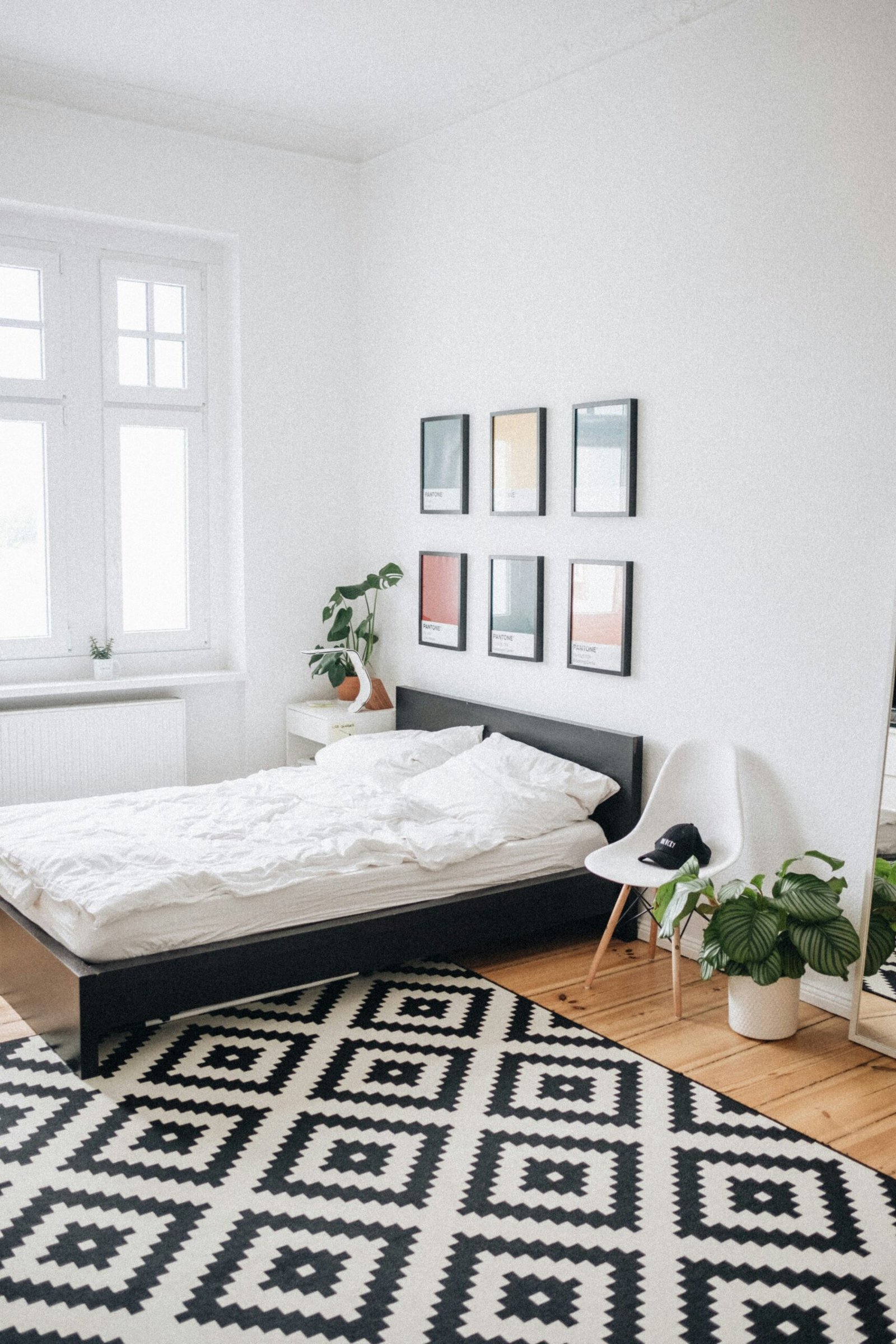
Not the Pinterest-perfect version with twelve throw pillows you’d have to move every night. The real one you actually live in. The one with the laundry chair. The half-read book. The charger you swear you’ll replace someday.
Let’s talk about the bedroom essentials for better sleep that quietly support deeper, more consistent rest—without guilt, pressure, or turning bedtime into another performance.
Why Your Bedroom Setup Matters for Sleep Quality

Sleep isn’t just about willpower. It’s biology.
Your brain and body are constantly scanning for cues that say, You’re safe. You can power down now. Light, temperature, noise, texture, and even scent all feed into that message—and research on how your bedroom environment affects sleep shows these cues directly influence sleep quality and depth.
When your bedroom sends mixed signals—bright lights, visual clutter, uncomfortable bedding—your nervous system stays slightly alert. Not enough to keep you fully awake, but enough to make sleep lighter, more fragmented, and less restorative.
The good news? You don’t need to overhaul your life or replace everything you own.
Small, intentional tweaks can make your bedroom work with your nervous system instead of against it. Think gentle support, not strict rules.
The Bed Itself: Bedroom Essentials for Better Sleep
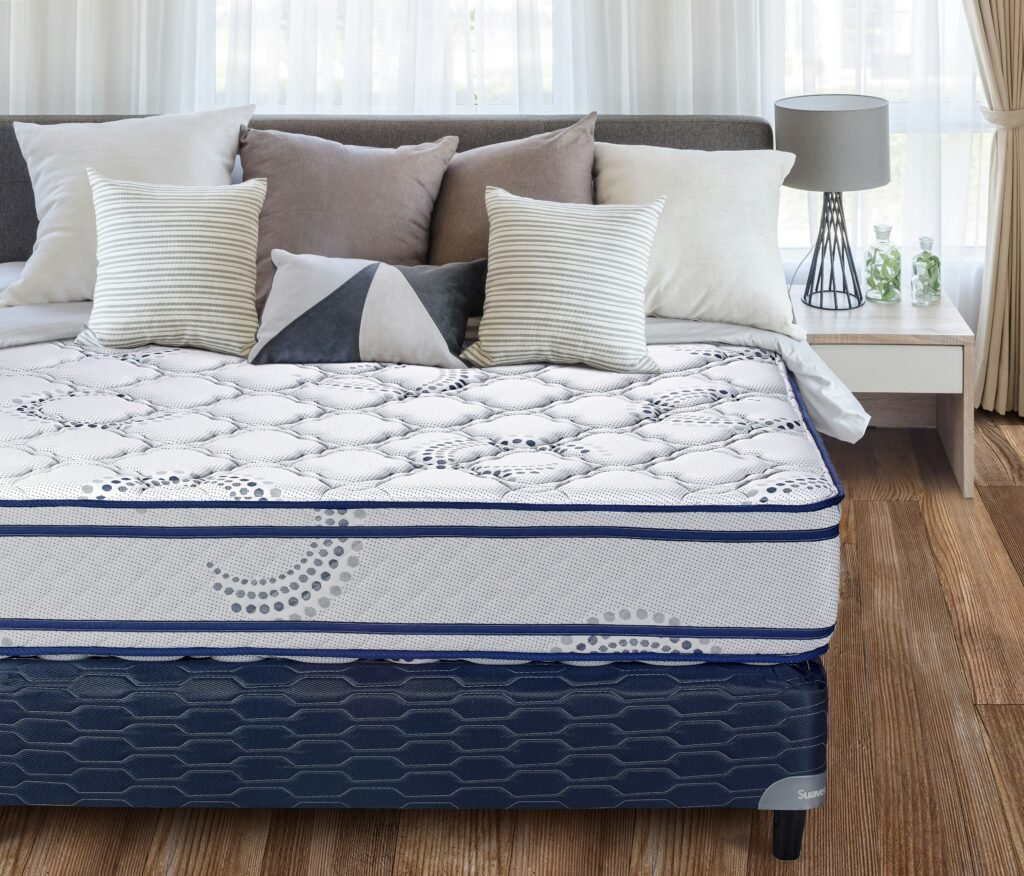
Choosing the Right Mattress for Your Sleep Style
This is one of those items worth investing in, even if it takes time.
A supportive mattress helps reduce micro-awakenings caused by pressure points and discomfort. Those tiny wake-ups add up, even if you don’t remember them in the morning.
If you regularly wake up sore, stiff, or feeling like you never fully rested, your mattress might be part of the problem.
What to look for when choosing a mattress:
- Enough support to keep your spine neutral
- Cushioning where your body presses most
- Materials that don’t trap heat
Very generally:
- Side sleepers tend to need more pressure relief at the shoulders and hips
- Back sleepers usually do well with medium-firm support
- Stomach sleepers often need firmer support to avoid lower-back strain
What to avoid:
- Anything that feels great for five minutes but unsupportive after an hour
- Mattresses marketed as “one firmness fits all”
- Materials that sleep hot if you already run warm
Practical Takeaway: If replacing your mattress isn’t realistic yet, notice how your body feels after an hour in bed—not just at bedtime—and use that feedback to guide your next upgrade.
Pillows: Small Item, Big Impact on Sleep Quality
A pillow’s job is simple: keep your neck aligned with your spine. That’s it.
This is another category where replacing something old can quietly change everything.
If your pillow collapses by midnight or forces your neck into weird angles, sleep quality suffers—even if you don’t consciously notice why.
When choosing a pillow:
- Side sleepers: look for thicker, firmer pillows that fill the shoulder gap
- Back sleepers: medium loft with steady support
- Stomach sleepers: very thin pillows or none at all
What to avoid:
- Pillows that lose shape quickly
- Overly soft pillows that flatten overnight
- Anything that smells faintly of “college apartment”
Pillows wear out faster than most people realize. If yours has a permanent head crater, it’s probably time.
Breathable Bedding That Supports Deeper Sleep

Best Sheets for Temperature Regulation and Comfort
Overheating is one of the most common sleep disruptors, especially for women. Hormones, stress, and natural body temperature shifts can turn nights into a sweaty guessing game.
Breathable sheets are one of the sleep products that improve rest. It helps regulate temperature and reduce tossing, turning, and midnight blanket negotiations.
This is a category where Amazon actually does particularly well—especially if you’re looking for affordable upgrades with lots of reviews.
What to look for in cooling sheets:
- Cotton percale for a crisp, hotel-style feel
- Linen for maximum airflow (and softness that improves over time)
- Bamboo or TENCEL™ for moisture-wicking and temperature balance
What to avoid:
- Heavy microfiber if you sleep hot
- Anything that feels slick or sticky by morning
- Ultra-high thread counts that trap heat
Blankets and Comforters: Layering for Better Sleep
Heavier isn’t always better.
Layering blankets allows you to adjust as your body temperature shifts overnight, which is especially helpful during hormonal changes or seasonal transitions.
Weighted blankets can be calming for some people, but they’re not mandatory.
Look for lightweight, breathable materials and A setup that allows easy temperature adjustments. Avoid ultra-heavy blanket that leaves no flexibility.
Sleep should feel supportive, not like you’re wrestling your bedding at 3 a.m.
Bedroom Lighting That Actually Supports Sleep

How Darkness Supports Melatonin Production
Even small amounts of light can suppress melatonin, the hormone that helps regulate sleep.
Streetlights. Charging indicators. The hallway glow that sneaks under the door. It all counts.
Bedroom essentials for darkness:
- Blackout curtains or shades
- Tape or covers for bright LEDs
- Warm, low-light lamps instead of overhead lighting
When choosing bedroom lighting, look for:
- Warm color temperatures
- Dimmable options
- Lamps placed lower in the room
Avoid harsh overhead lights at night. They tell your brain it’s time to be productive, not restful.
Morning Light and Better Sleep Cycles
Letting natural light in during the morning helps regulate your circadian rhythm, making it easier to fall asleep the following night.
Open the curtains. Sit near a window. Step outside if you can.
Dark at night. Bright in the morning. Simple, effective, and free.
Ideal Bedroom Temperature for Sleep

Most people sleep best in a slightly cool room, generally between 60–67°F.
When your body temperature drops, sleep hormones kick in. If your room is too warm, your body struggles to settle—even when you’re exhausted.
If thermostat control is limited:
- Choose breathable bedding
- Look for cooling mattress toppers
- Wear lighter sleepwear
You don’t need to freeze. Just cool enough to avoid waking up sweaty and irritated.
Sound: Why Total Silence Isn’t Always Best
Silence sounds nice—until every creak, siren, or neighbor cough snaps you awake.
Consistent background sound helps mask sudden noise changes and can significantly improve sleep quality.
Good options include:
- White noise machines
- Fans
- Brown or pink noise playlists
When choosing one, avoid:
- Tracks with sudden volume changes
- Timers that shut off mid-sleep
If you sleep better in hotels, this is often why.
Practical Takeaway: If nighttime noises tend to wake you up, aim for steady, boring sound that runs all night rather than complete silence. Choose a sound source with consistent volume and no auto-shutoff so your brain isn’t startled awake when the noise suddenly stops.
Scents That Signal “It’s Time to Rest”

Smell goes straight to the nervous system, skipping logic entirely.
Certain scents can gently cue your body to unwind without feeling artificial, fitting easily into everyday relaxation finds for stressful weeks.
Popular sleep-friendly scents:
- Lavender
- Cedarwood or sandalwood
- Chamomile or bergamot
Look for subtle delivery—pillow sprays, low-dose diffusers, or timed options.
Avoid overpowering scents that linger too strongly. This isn’t about perfuming your bedroom. It’s about setting a tone.
Decluttering Your Bedroom for Mental Rest
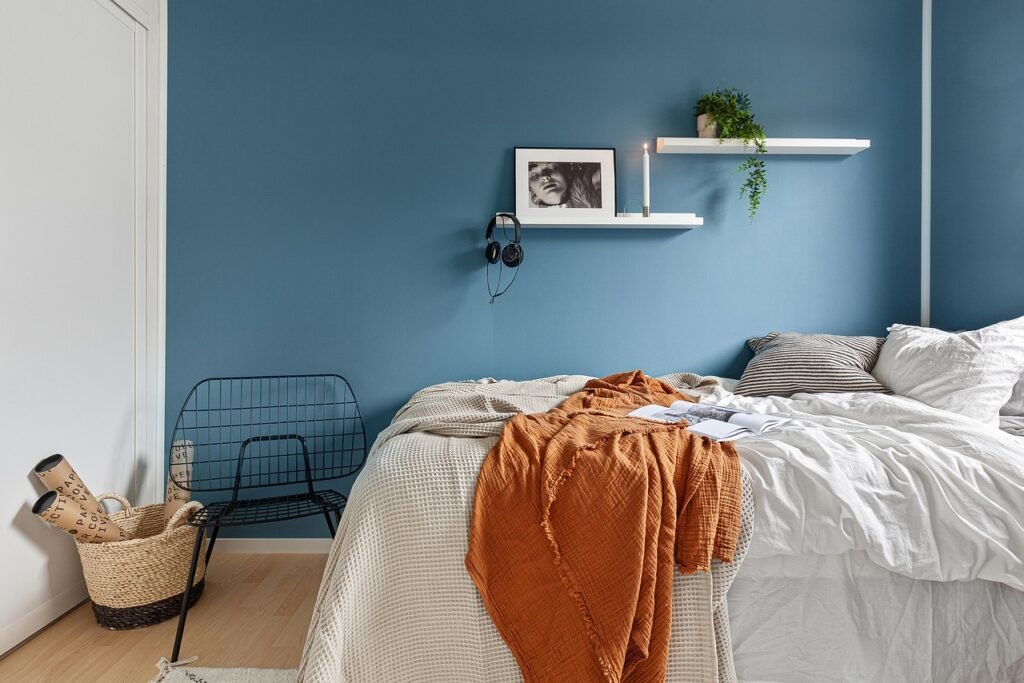
You don’t need a minimalist monastery.
But visual clutter keeps your brain in problem-solving mode.
Laundry piles, paperwork, half-finished projects—they quietly tell your brain to stay alert.
Small changes that help:
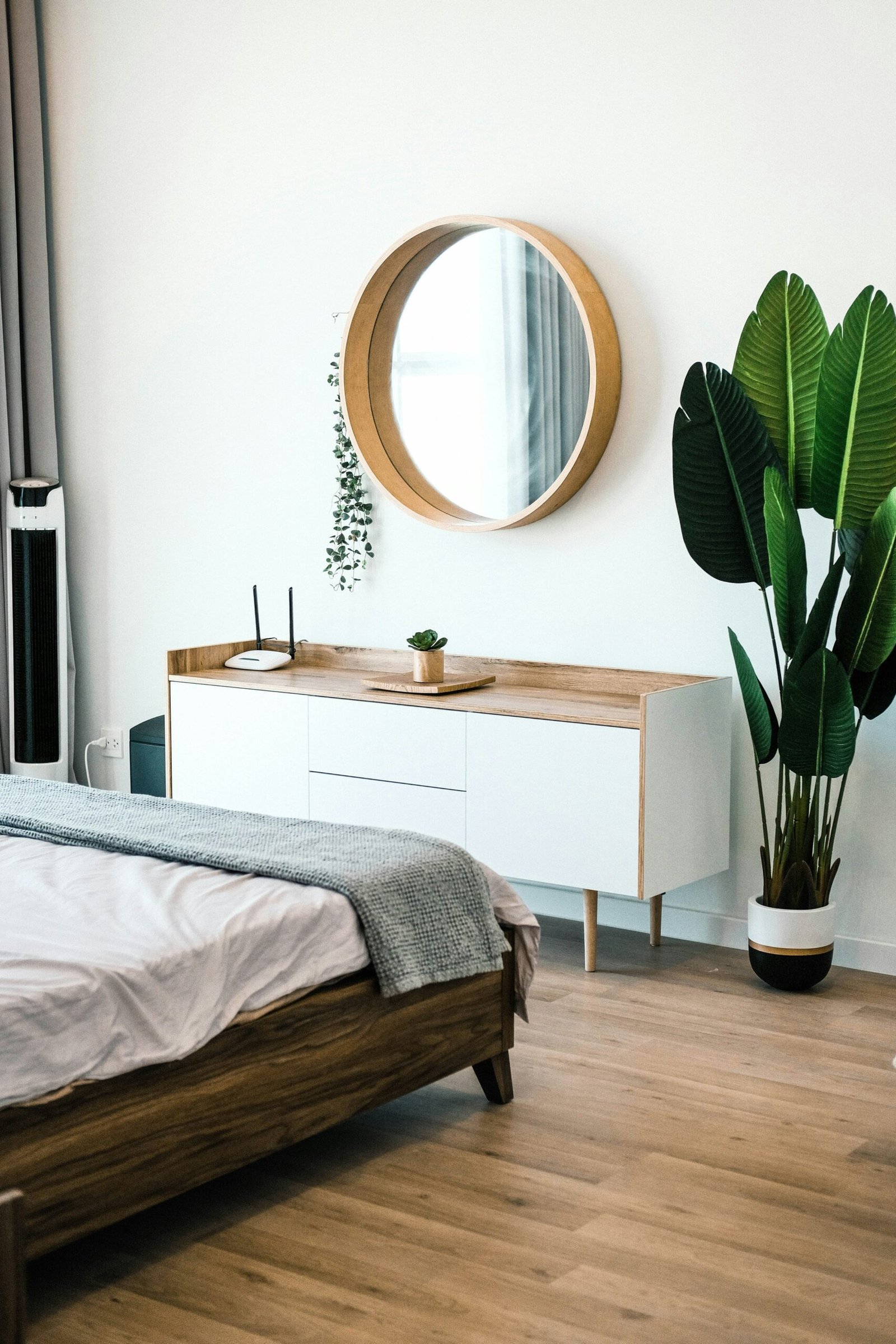
- Clear surfaces near the bed
- Keep work items out of sight
- Make the bed most days (not perfectly)
Your bedroom should cue rest, not responsibility.
Technology Boundaries That Feel Realistic
Phones and Sleep Quality
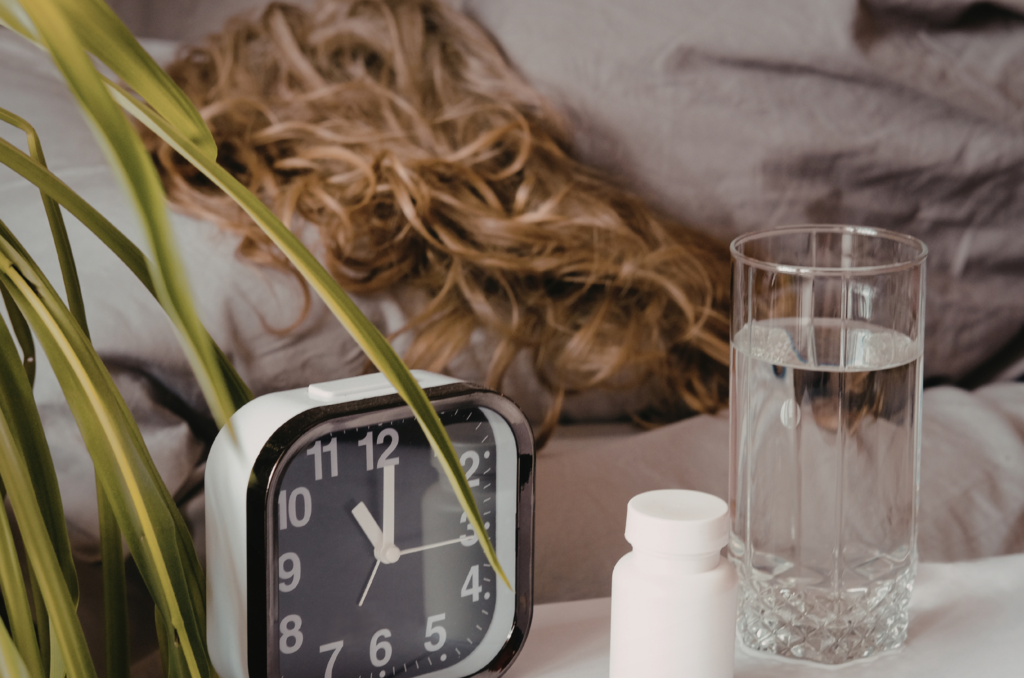
You don’t have to banish your phone forever. You just have to stop letting it live on your pillow.
That small shift alone can change how easily your brain powers down.
Helpful shifts:
- Charging your phone away from the bed
- Using a basic alarm clock
- Setting “Do Not Disturb” overnight
These are small changes that reduce stimulation without turning bedtime into a power struggle.
TVs in the Bedroom: What Actually Helps
Watching something familiar can be calming.
Just avoid:
- Bright, stimulating content
- Loud volume
- News or emotionally activating shows
Think comfort re-runs, not cliffhangers.
Sleepwear That Actually Supports Rest

Sleepwear should disappear on your body.
If you’re adjusting straps, overheating, or waking up tangled, it’s not working—no matter how cute it is.
Look for:
- Soft, breathable fabrics
- Relaxed fits
- Seams that don’t dig in
And yes, sleeping naked absolutely counts.
Creating a Simple Wind-Down Zone

You don’t need a complicated routine. You need consistency.
Simple bedtime cues:
- Dim the lights
- Change into sleep clothes
- Lower stimulation
Your brain learns patterns quickly. Fewer rules. More rhythm.
When Sleep Still Feels Hard

Even with all the right pieces in place, sleep can still be frustratingly elusive.
You can do everything “by the book” and still lie there wide awake, replaying conversations, worrying about tomorrow, or wondering why your body won’t just cooperate already. That doesn’t mean you’re doing anything wrong—it means you’re human.
Life doesn’t shut off at bedtime. Stress lingers. Hormones shift. Big changes (even good ones) can quietly throw sleep off. A supportive bedroom helps create the right conditions, but it can’t magically override everything going on inside you.
And if sleep struggles start to feel constant or disruptive, getting extra support isn’t giving up—it’s taking yourself seriously. You deserve rest that actually restores you, not something you have to earn by trying harder.
Frequently Asked Questions
What are the most important bedroom essentials for better sleep?
The most impactful essentials are a supportive mattress, comfortable pillow, breathable bedding, darkness, cool temperature, and reduced noise disruptions. These directly support your nervous system’s ability to rest.
How can I improve sleep without buying expensive products?
Focus on low-cost changes: declutter near the bed, dim lighting at night, charge your phone away from you, layer bedding for temperature control, and let natural light in during the morning.
Do bedroom essentials for better sleep really make a difference?
Yes. Small environmental cues—light, sound, comfort, and temperature—can significantly affect sleep depth and quality, even without changing your bedtime or routine.
Practical Takeaways for Better Sleep Tonight
- Invest where your body spends hours each night
- Prioritize darkness, cool temperature, and breathability
- Reduce visual clutter near the bed
- Create simple, repeatable wind-down cues
- Choose comfort over trends, always
Better sleep often comes from removing friction—not adding more rules.
A Gentle Invitation
Rest isn’t lazy. It’s foundational.
When your bedroom supports your nervous system, sleep becomes less of a struggle and more of a return to yourself.
You don’t have to change everything at once. One small shift—a darker room, a cooler sheet, a phone charged a little farther away—can be enough to start moving things in the right direction.
Because bedroom essentials for better sleep aren’t about perfection—they’re about making rest easier to access, exactly as you are.
If one idea stood out, try it tonight. Save it for later if you need to. Or share what’s helped you rest better—we’re always learning from each other here.

