


This post may contain affiliate links. If you purchase through these links, we may earn a small commission at no additional cost to you. As an Amazon Associate we earn from qualifying purchases.
Comfortable fashion isn’t about giving up on style — it’s about redefining it in a way that actually supports your real life.
Let’s be honest.
Most of us don’t want to “dress up.”
We want to feel like we’re wearing pajamas… but look like we have our life together.
We want comfort. We want ease. We want to sit cross-legged on a couch, run errands, answer emails, grab coffee, and maybe run into someone we know — without looking like we just rolled out of bed.
And no, this isn’t about squeezing into stiff jeans or wearing blazers that feel like cardboard. It’s about building comfortable outfits for women that feel soft on your body and calm in your nervous system… while still looking polished enough that you feel confident walking into any room.
Because the goal isn’t impressing strangers.
It’s feeling good in your own skin.
Let’s talk about how to build a comfortable wardrobe that still looks put together — practically, realistically, and in a way that’s actually wearable for your life.
Why Comfortable Clothing Actually Changes How You Show Up
Clothing isn’t just aesthetic. It’s physiological.
When something digs into your waist, pulls at your shoulders, or makes you constantly adjust it, your body registers stress. Subtle stress — but still stress.
Your nervous system doesn’t love being constricted for 10 hours.
Comfortable clothes can:
Lower physical tension
Improve posture (because you’re not bracing against discomfort)
Reduce fidgeting
Improve focus
Support body neutrality
There’s a reason so many of us shifted toward soft fabrics and stretch during the pandemic and thought, “Wait… why was I suffering before?”
The key isn’t living in oversized sweatshirts forever.
It’s upgrading comfort into something intentional, which is really what comfortable fashion is about.
What “Put Together” Actually Means (Hint: It’s Not Fancy)
“Put together” doesn’t mean:
Perfectly tailored
Trendy
Expensive
Complicated
It means cohesive.
It means your outfit looks chosen — not accidental.
Most polished casual outfits are built from:
Clean lines
Balanced proportions
Neutral or harmonious colors
One intentional layer or accessory
You don’t need more clothes.
You need pieces that work together.
And yes — this is one of those areas where being thoughtful about what you buy saves you money long-term and helps you build a true capsule wardrobe instead of a closet full of random pieces.
Comfortable Fashion Starts With Elevated Basics (Worth Investing In)
If you do nothing else, upgrade your basics.
This is one of those categories worth investing in because you’ll wear these pieces weekly — sometimes daily.
Think:
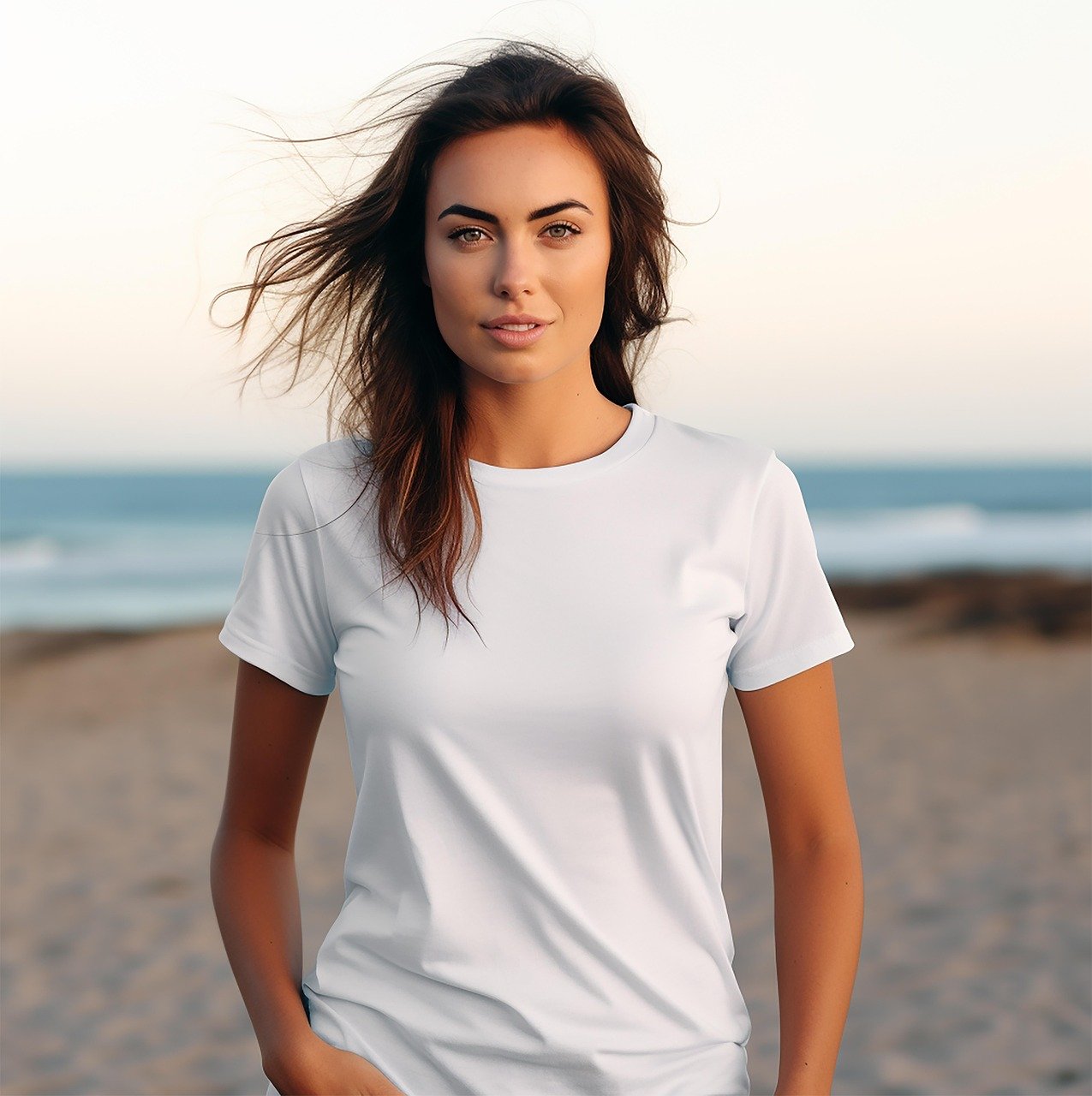
Soft structured t-shirts
High-quality tank tops
Lightweight knits
Relaxed button-down shirts
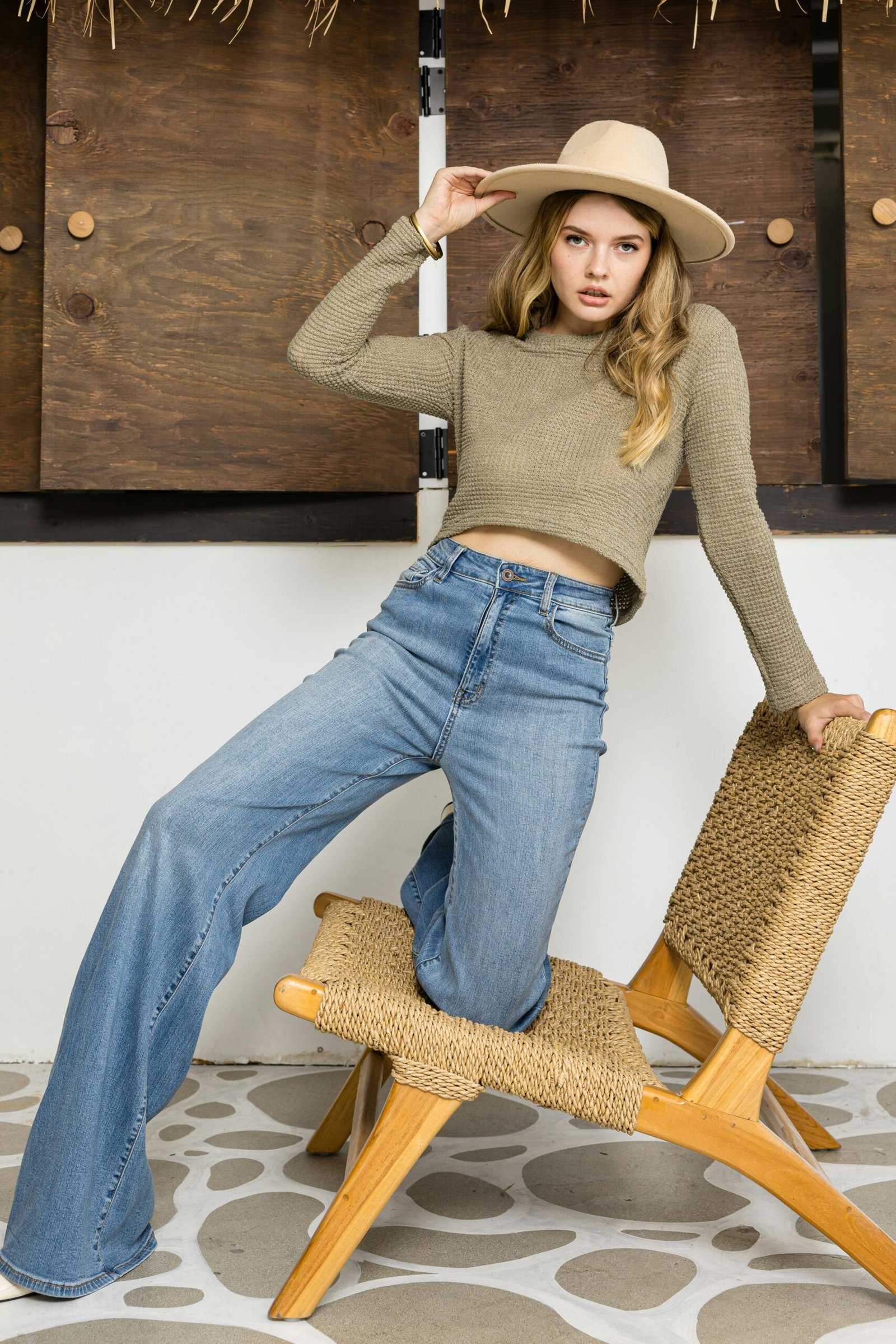
Straight-leg or wide-leg trousers with stretch
The difference between “rolled out of bed” and “effortless chic” is usually fabric and cut.
A slightly thicker cotton tee holds its shape and skims the body instead of clinging.
A drapey knit looks intentional. A thin, stretched-out one looks tired.
When choosing elevated basics, avoid:
Tissue-thin fabrics that lose shape after one wash
Overly clingy materials
Necklines that warp easily
Look for:
Medium-weight cotton or modal blends
Seams that lie flat
Clean hems
Fabric with a bit of structure
Amazon and other accessible retailers actually do this category surprisingly well — especially structured tees and lounge-friendly trousers — but pay attention to fabric composition and reviews mentioning shrinkage.
If you can wear a piece three different ways, it earns its place.
Tailored-But-Soft Pants: The Secret to Comfortable Yet Polished Outfits
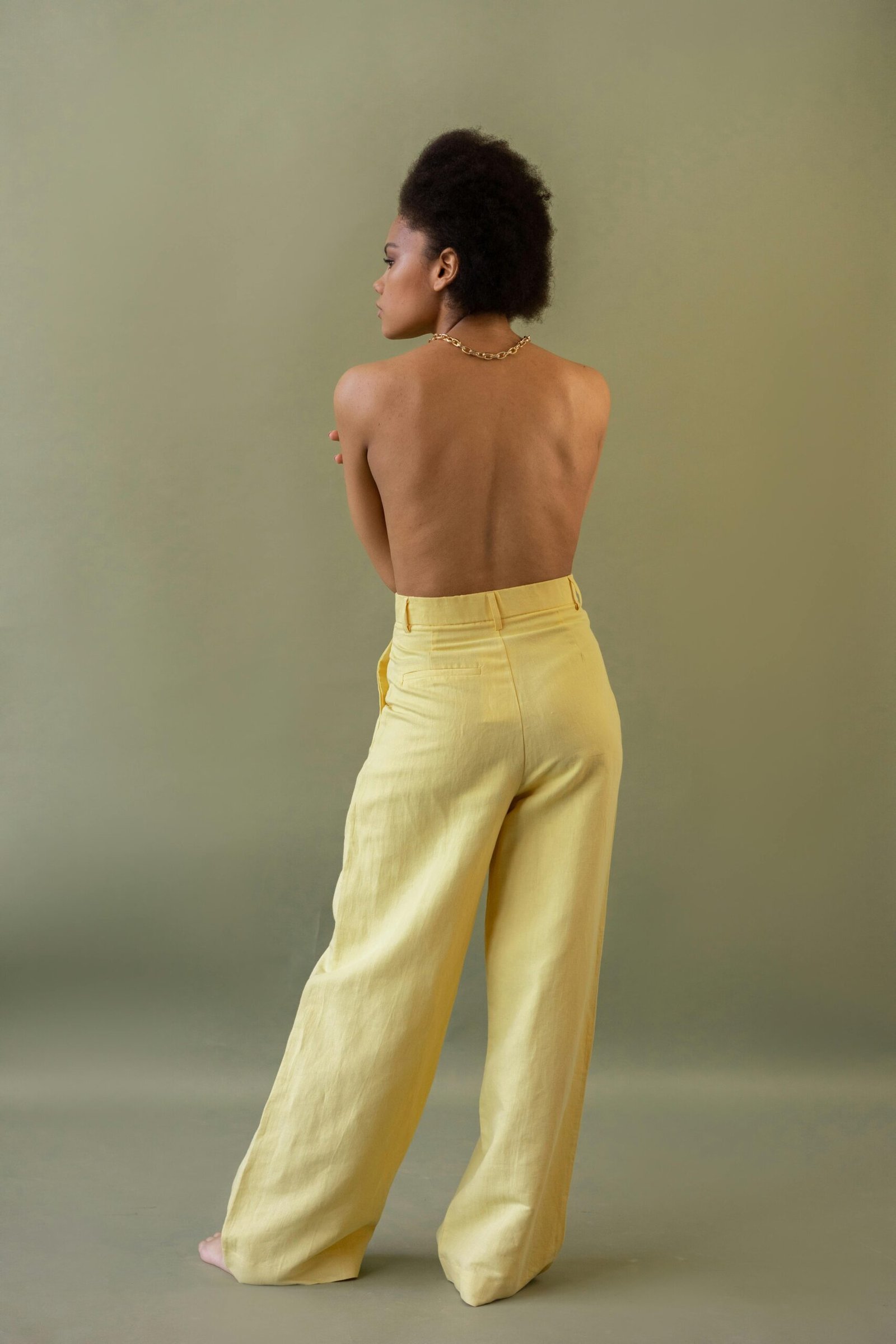
Let’s talk about pants.
Because this is where most “comfortable fashion” either shines… or falls apart.
Skin-tight jeans that require a deep breath and prayer to button? No.
Paper-thin leggings with zero structure? Also no (unless you’re at Pilates).
The sweet spot for comfortable work-from-home outfits or casual chic looks:
Stretch trousers
Ponte pants
Soft wide-leg pants
Structured joggers
This is one of those items worth being picky about.
When choosing comfortable dress pants for women, avoid:
Shiny, overly synthetic fabrics
Waistbands that twist
Fabric that bags out at the knees
Look for:
Elastic waistbands that don’t scream “elastic waistband”
Front seams or subtle pleats for structure
Fabric with recovery (it snaps back after stretching)
When the bottom half of your outfit has structure, the whole look feels intentional — even if you’re just wearing a simple tee on top.
Matching Sets: The Easiest Way to Look Put Together Fast
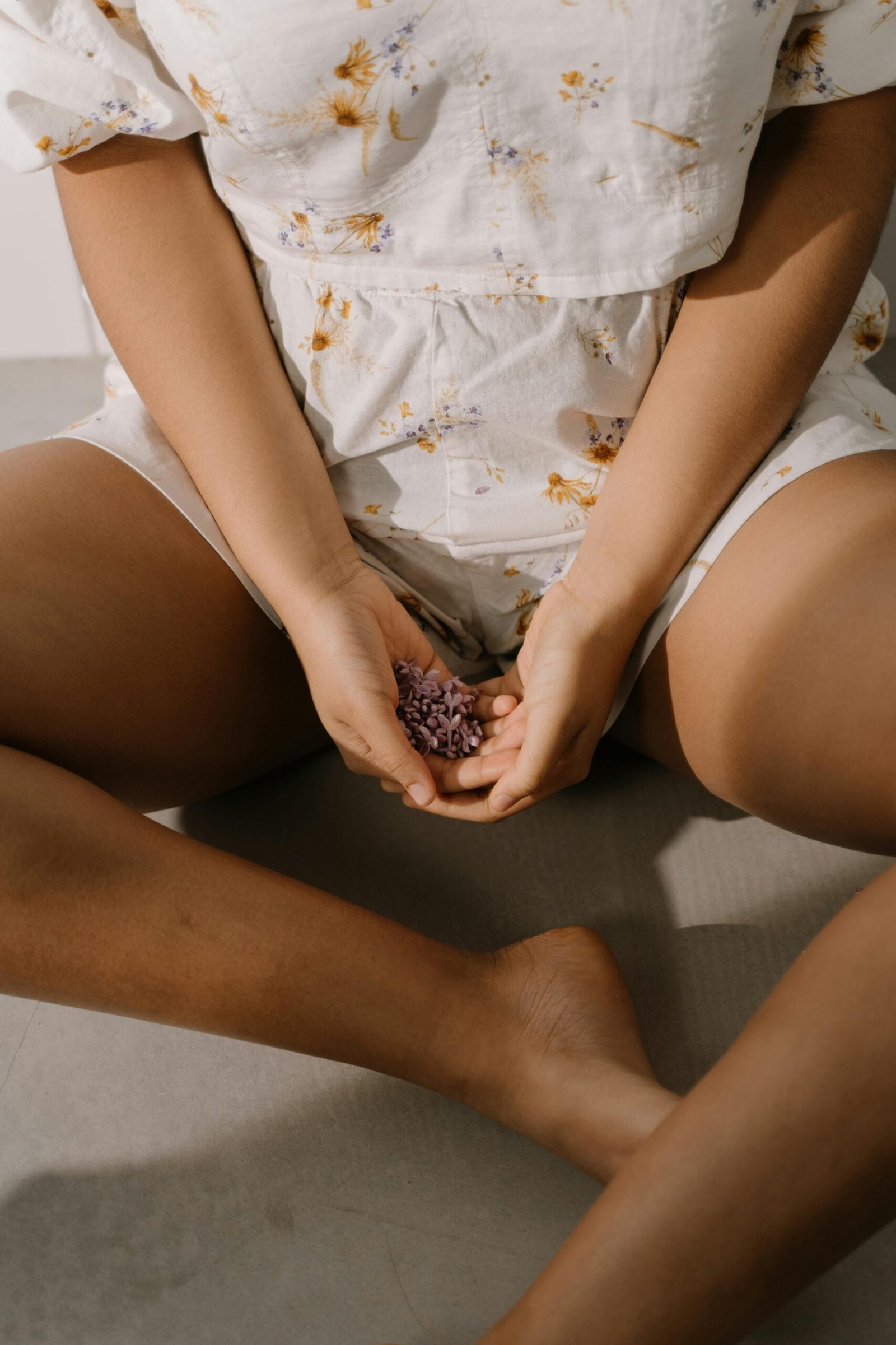
If you want a cheat code for busy mornings, invest in a few matching sets.
Knit sets.
Lounge sets.
Soft blazer and trousers sets.
Matching pieces automatically create visual harmony. Your brain reads them as styled — even if they’re basically elevated pajamas.
This is one of those categories where Amazon does a strong job in affordable knit sets and lounge sets, but quality varies wildly.
When choosing one, avoid:
Fabric that’s too thin (you’ll see every line)
Cropped tops if you prefer more coverage
Waistbands that roll
Look for:
Ribbed knit texture (adds visual interest)
Soft but mid-weight fabric
Reviews mentioning “not see-through”
Bonus: You can break the set apart and double your outfit options.
That’s smart shopping — and one of the easiest ways to embrace comfortable fashion without overthinking your mornings.
(Secondary keyword used: matching sets for women)
Proportion: The Real Style Trick No One Talks About
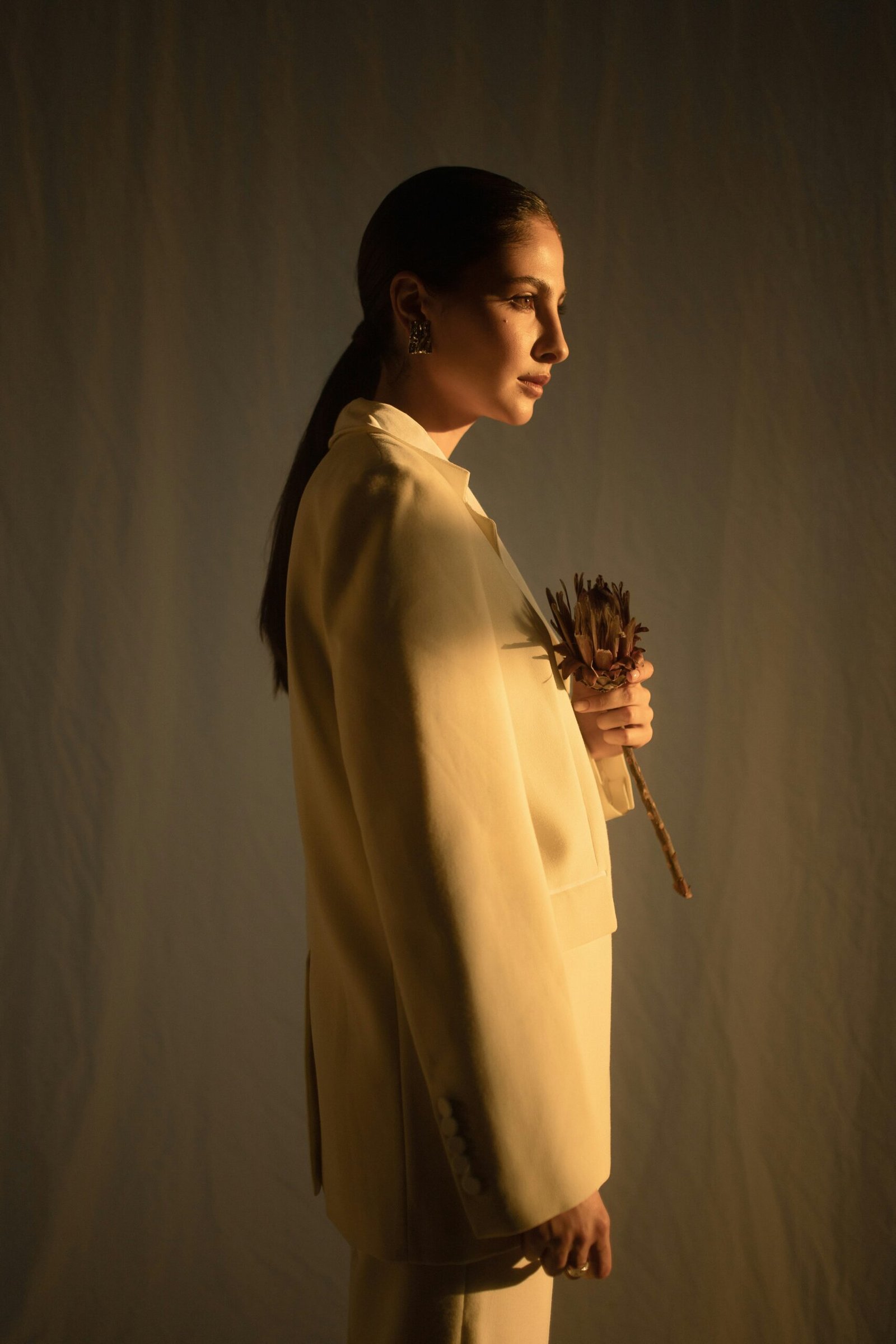
You don’t need trends.
You need balance.
If your top is oversized, choose a more fitted or structured bottom.
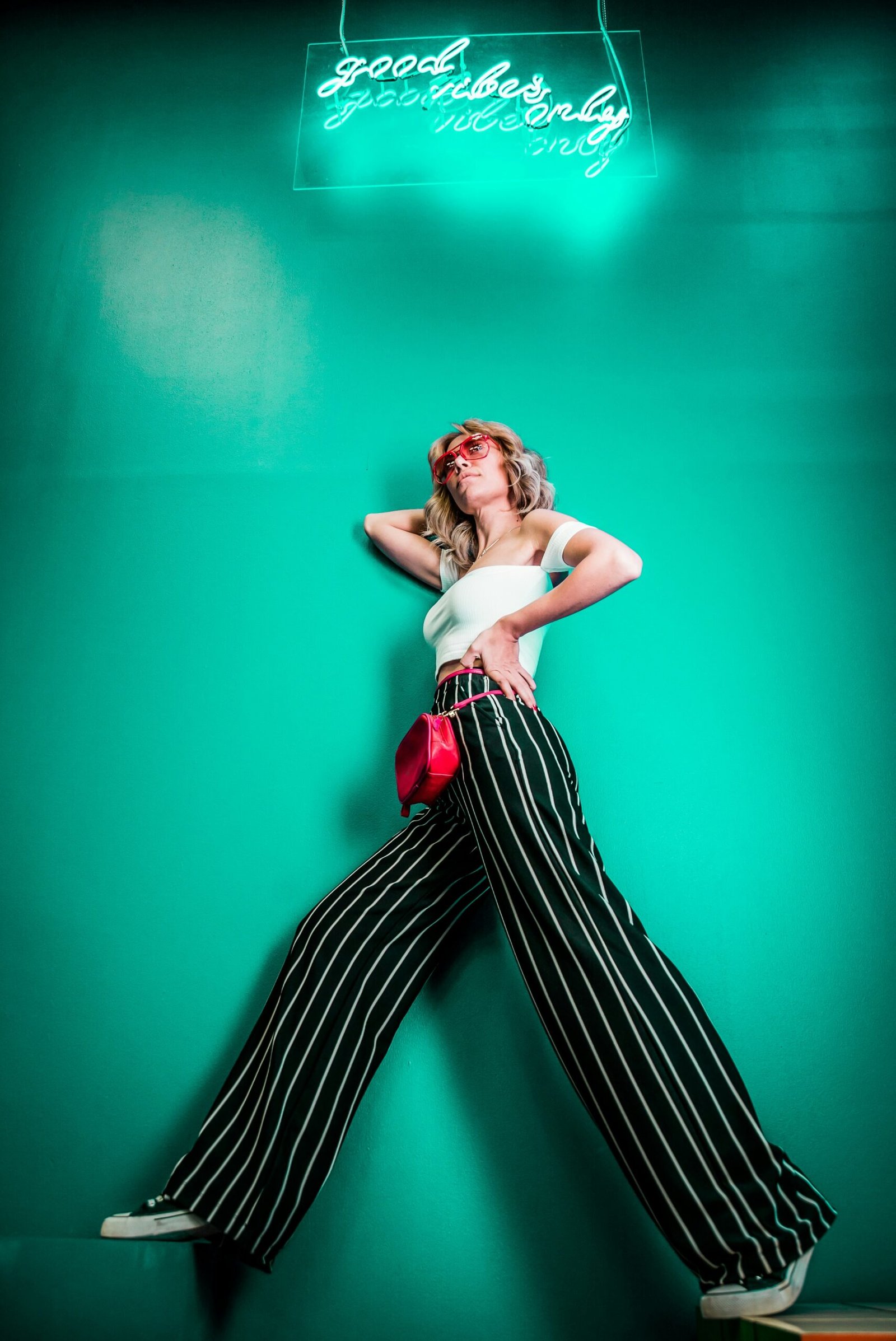
If your pants are wide or flowy, keep the top slightly closer to the body or cropped.
This is what makes comfortable outfits for women look intentional instead of sloppy.
An oversized sweatshirt + oversized sweatpants + oversized coat = “I’m hiding.”
An oversized sweater + straight-leg trousers + clean sneakers = relaxed but chic.
Small shifts. Big difference.
Neutral Color Palettes Make Comfortable Outfits Effortless
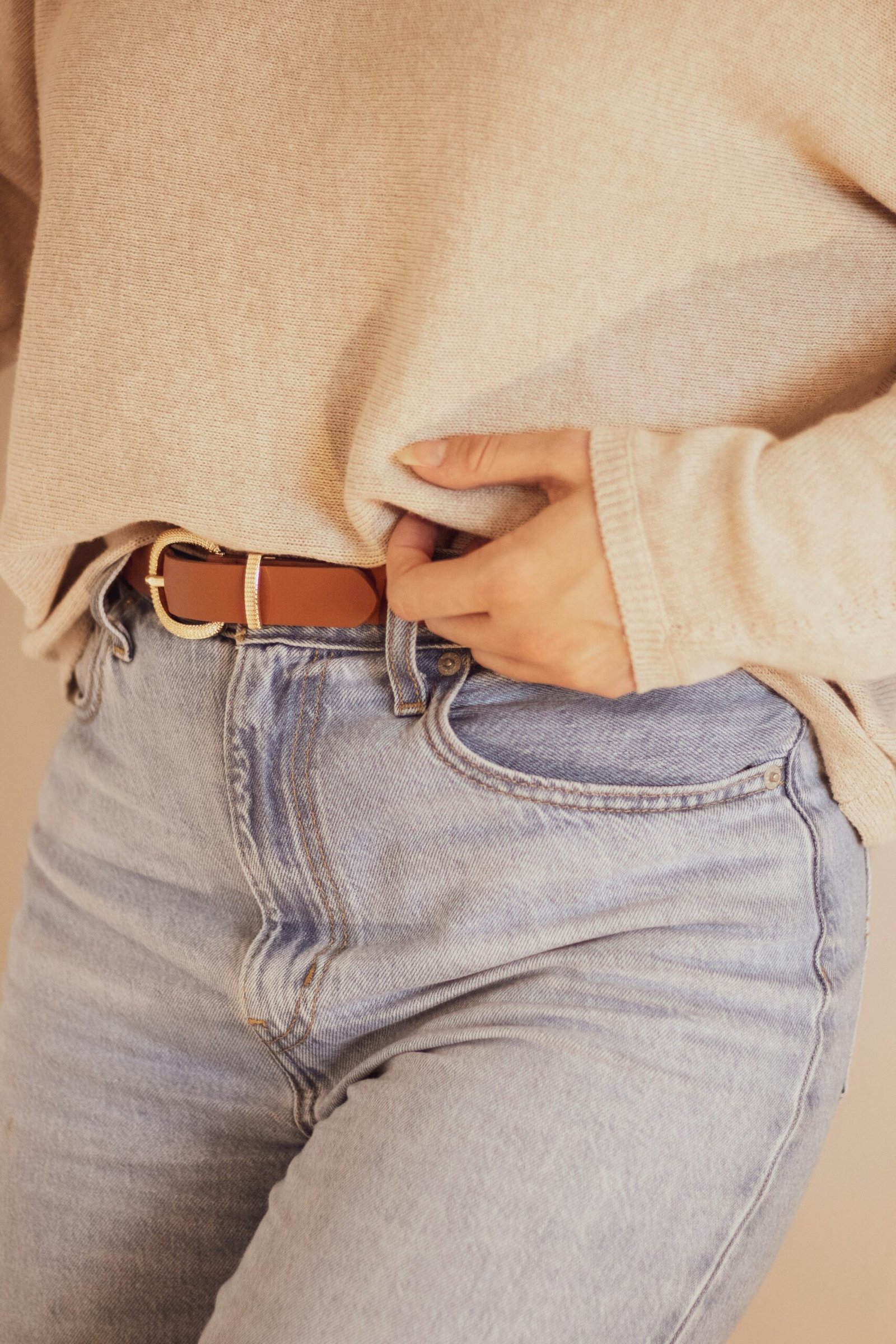
Neutral pieces and accessories are your best friend when building a comfortable capsule wardrobe.
Think:
Black
Cream
Camel
Olive
Navy
Soft gray
When most of your pieces live in the same color family, everything mixes easily.
This is also why buying within a loose color palette saves money. You avoid “orphan” items that match nothing.
That doesn’t mean no color.
It means color becomes intentional — a burgundy sweater, a bold bag, a pop-of-red sneaker.
Less chaos. More cohesion.
Comfortable Shoes That Still Look Chic
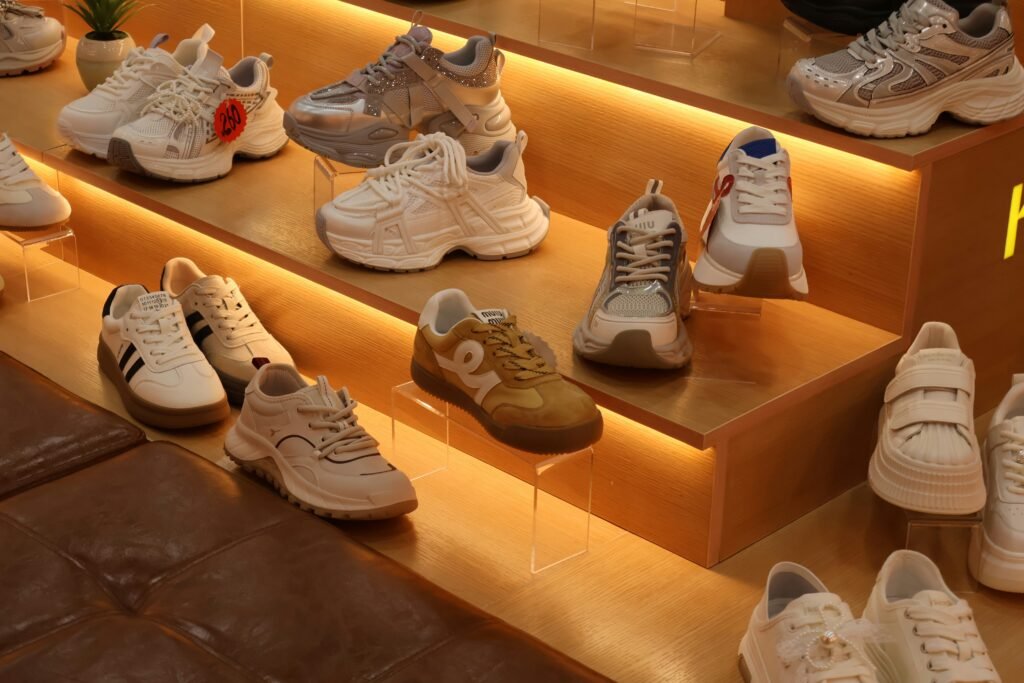
Shoes will absolutely make or break the look.
You can wear the simplest outfit on earth. The shoes decide the vibe.
White leather sneakers = casual but clean.
Loafers = elevated ease.
Minimal sandals = intentional summer energy.
Low block heels = grown-woman comfort.
This is one of those areas worth investing in because your feet carry you all day.
When choosing comfortable everyday shoes, avoid:
Completely flat soles with zero support
Trendy styles that pinch your toes
Ultra-sporty designs if you’re not actually working out
Look for:
Cushioned insoles
Slight arch support
Soft leather or flexible uppers
Durable soles
You don’t have to sacrifice comfort to look polished. But you do have to choose intentionally.
(Secondary keyword used: comfortable everyday shoes)
Layering for Polished Casual Outfits
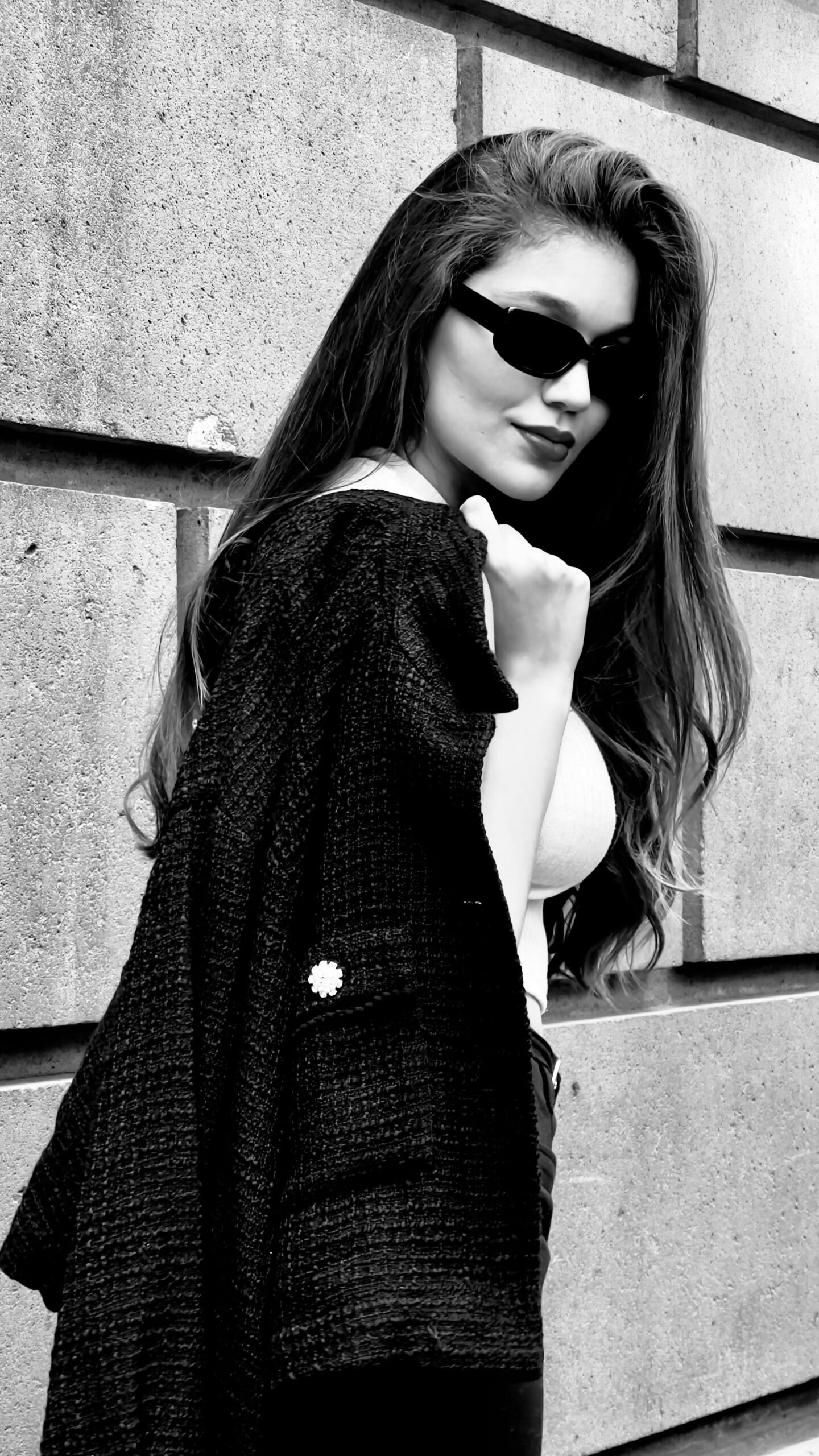
Layering is the secret sauce of comfortable fashion that still looks put together.
Layers add dimension. Dimension adds polish.
Easy examples:
A cardigan over a tank
A button-down worn open over a tee
A lightweight trench over a knit set
This is one of those wardrobe areas worth building slowly.
When choosing layering pieces, avoid:
Stiff fabrics that don’t move
Blazers that pull across the shoulders
Cardigans that stretch out after one wear
Look for:
Soft structure
Slight tailoring
Breathable fabric
A good blazer, trench, or cardigan can elevate dozens of outfits.
Cost per wear matters here.
The “Third Piece” Rule (Your Shortcut to Looking Styled)
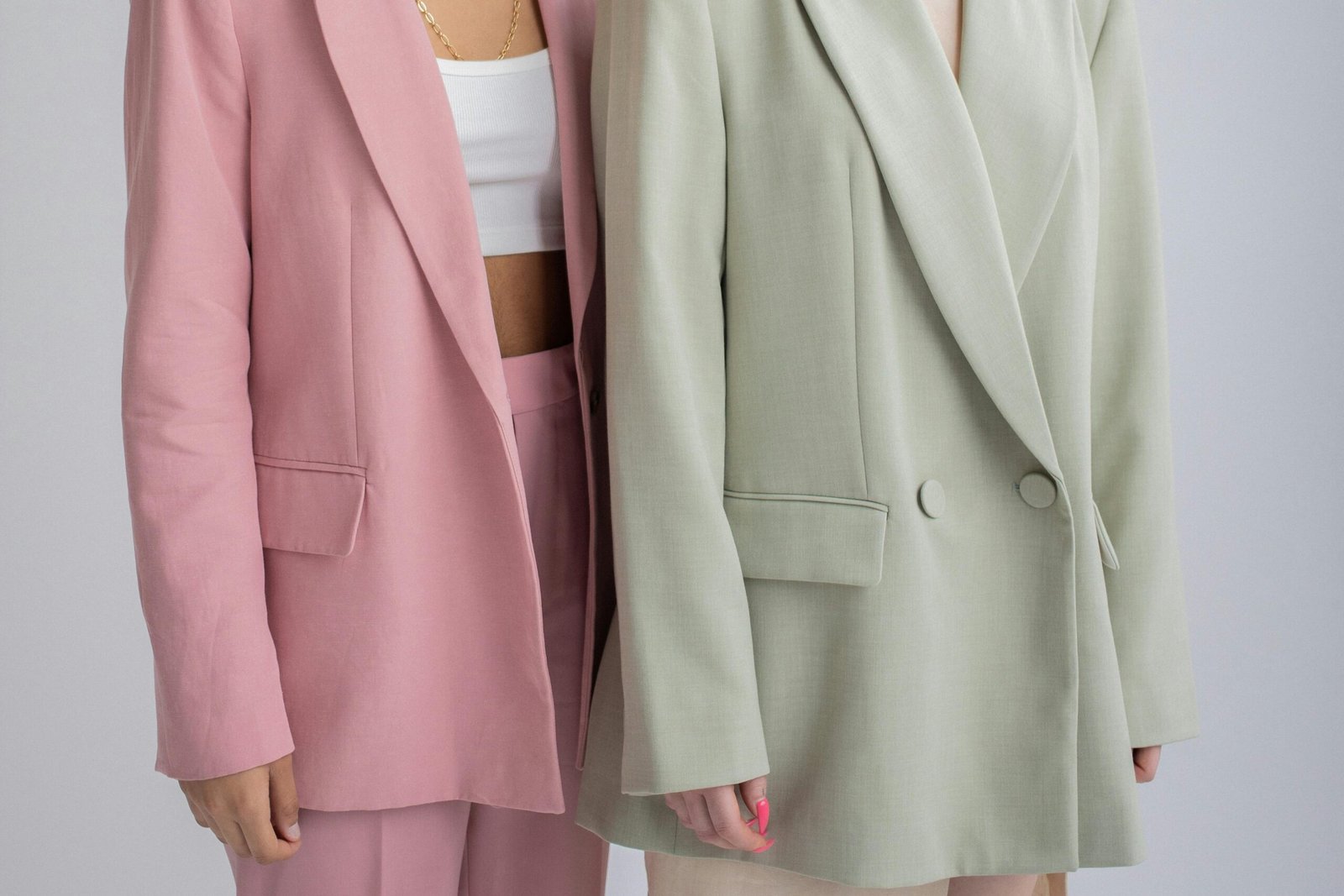
Base outfit = top + bottom.
Add one more piece.
That’s your third piece.
Blazer.
Denim jacket.
Long cardigan.
Statement necklace.
Structured bag.
That third piece signals intention.
If you’re investing in anything accessory-related, a structured bag is one of the smartest purchases. It instantly sharpens soft outfits.
Avoid bags that collapse completely or look overly worn.
Look for clean lines, medium size, and hardware that doesn’t tarnish easily.
Small upgrade. Big impact.
Fabric: The Quiet Detail That Changes Everything
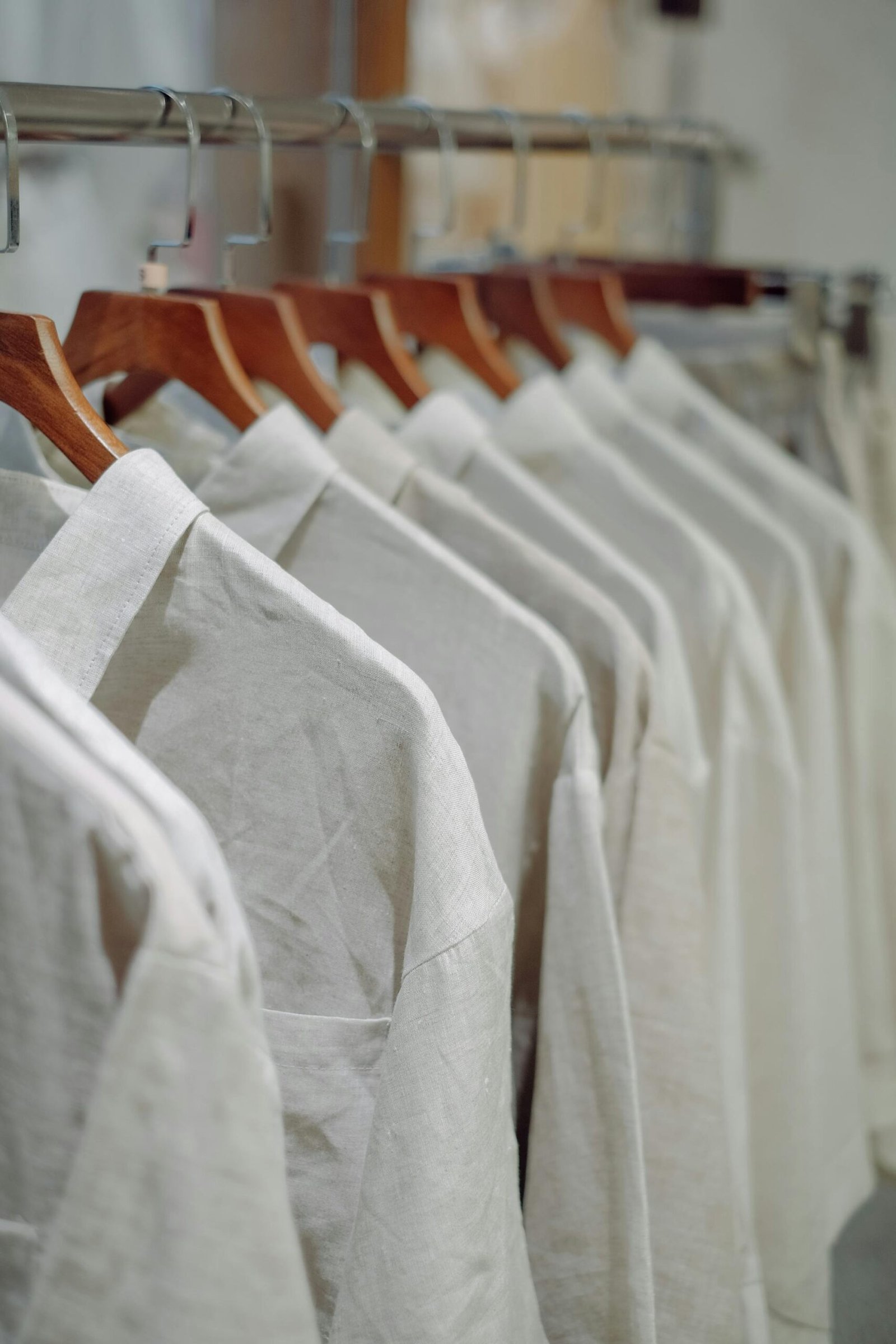
Comfort lives in fabric.
Natural fabrics like cotton, linen, bamboo, and modal breathe better and regulate temperature more effectively.
Ponte blends add structure without stiffness.
When choosing everyday comfortable clothes, avoid:
Heavy polyester that traps heat
Fabric that pills quickly
Materials that cling to every curve unless that’s your preference
Look for:
Softness with structure
Slight stretch
Good recovery
When something feels good against your skin, you carry yourself differently.
That confidence? It shows.
Don’t Ignore Undergarments (They Change the Whole Outfit)
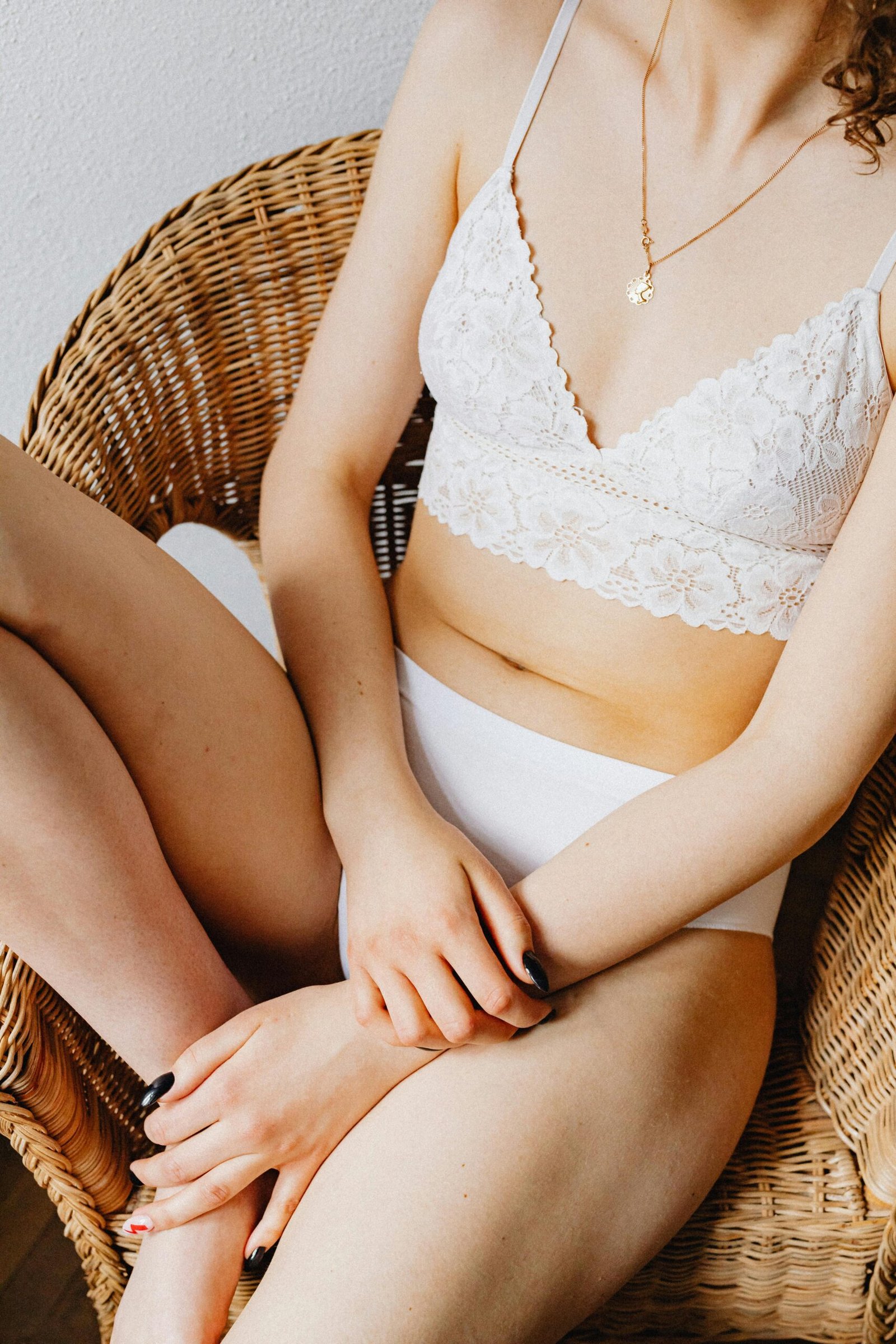
Let’s be real.
If your bra digs in or your underwear shifts all day, no outfit will feel good.
Supportive but soft bras.
Seamless underwear.
Comfortable shapewear only if you truly want it.
This is one of those categories worth refreshing yearly.
Avoid:
Bands that leave deep marks
Lace that scratches
Anything you’re constantly adjusting
When your base layer feels good, everything on top looks better.
Build Outfit Formulas for Busy Mornings
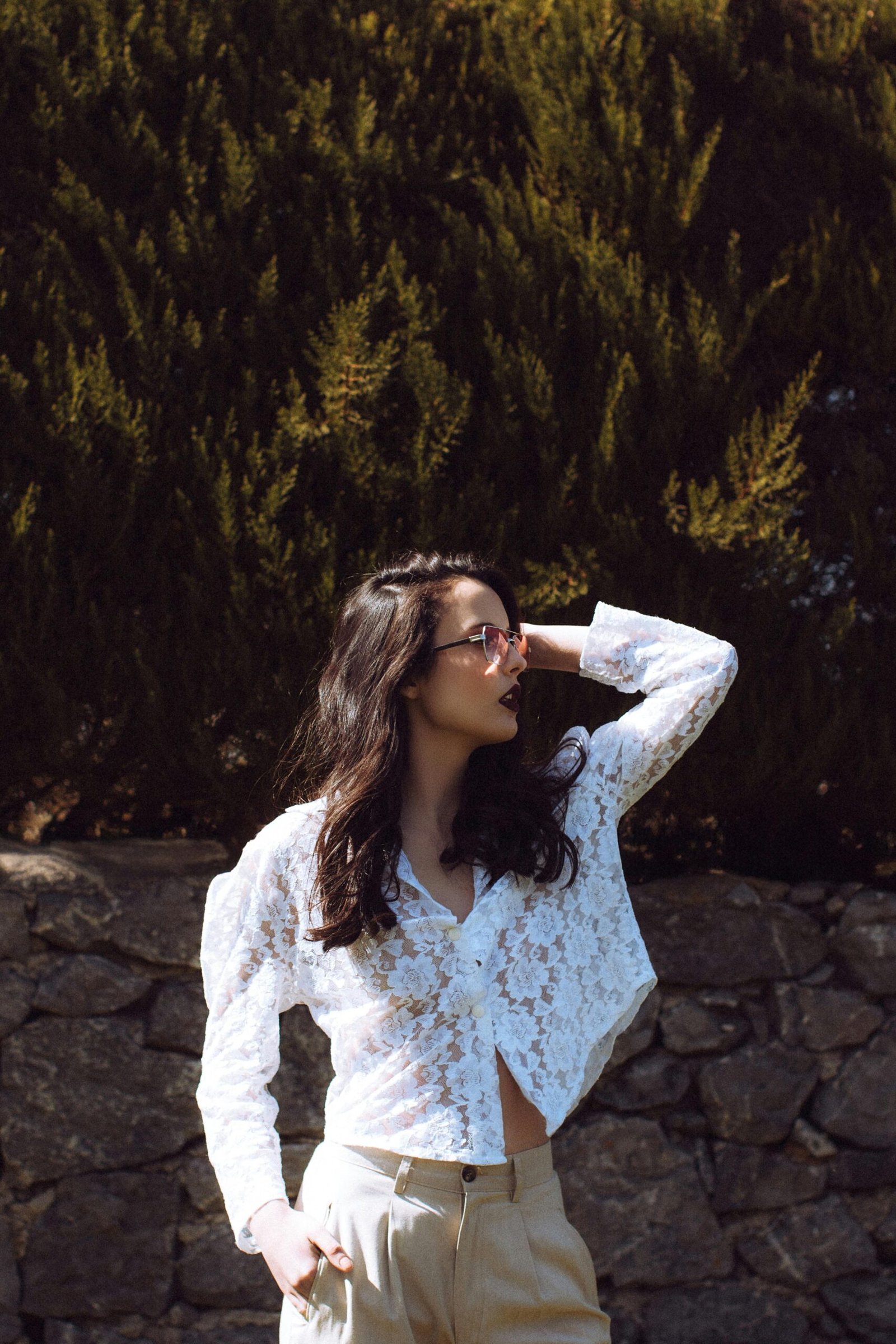
Decision fatigue is real.
Instead of reinventing the wheel daily, create comfortable outfit formulas.
Examples:
Knit top + wide-leg trousers + sneakers + structured bag
Matching set + trench + loafers
Straight-leg jeans + tucked tee + blazer + flats
Midi dress + cardigan + sandals
Soft trousers + tank + oversized button-down
Save 3–5 formulas in your phone.
When mornings feel chaotic, you don’t need creativity.
You need reliability.
How to Build a Comfortable Capsule Wardrobe That Works
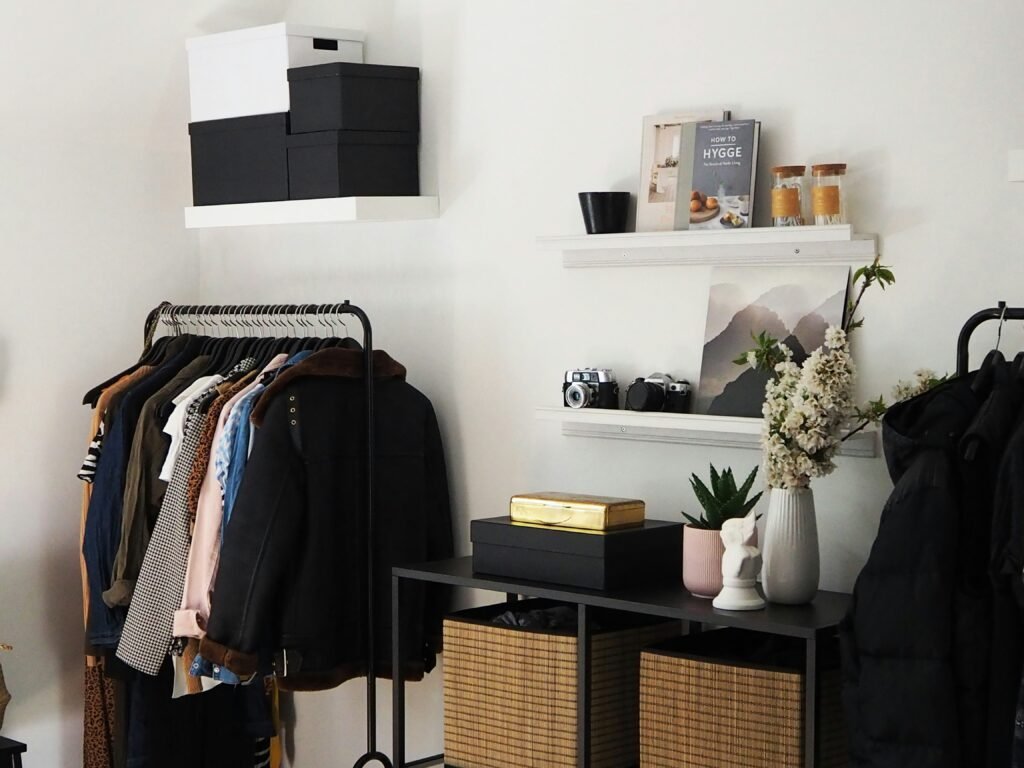
If your closet feels overwhelming, start here:
Pull out 10 pieces you love wearing.
Notice color repetition.
Identify silhouettes that feel best.
Create 3 reliable outfit formulas.
Remove 3 pieces that never get worn.
Then, when shopping, fill specific gaps.
Not “I need new clothes.”
“I need one structured neutral cardigan.”
“I need comfortable black trousers that don’t wrinkle.”
Specificity prevents waste.
Frequently Asked Questions
How do I look put together without sacrificing comfort?
Start with structured basics, add tailored-but-soft pants, and finish with supportive shoes or a third piece like a blazer.
Are matching sets actually flattering?
Yes — especially when the fabric is mid-weight and not clingy. Look for structure and clean hems.
What fabrics are best for comfort and polish?
Cotton, modal, bamboo, and ponte blends tend to look refined while staying breathable.
What’s the easiest upgrade to make my outfit look more intentional?
Swap worn-out basics for structured versions or add one polished accessory like a structured bag.
Final Thought: Comfort Is Not Lazy. It’s Strategic.
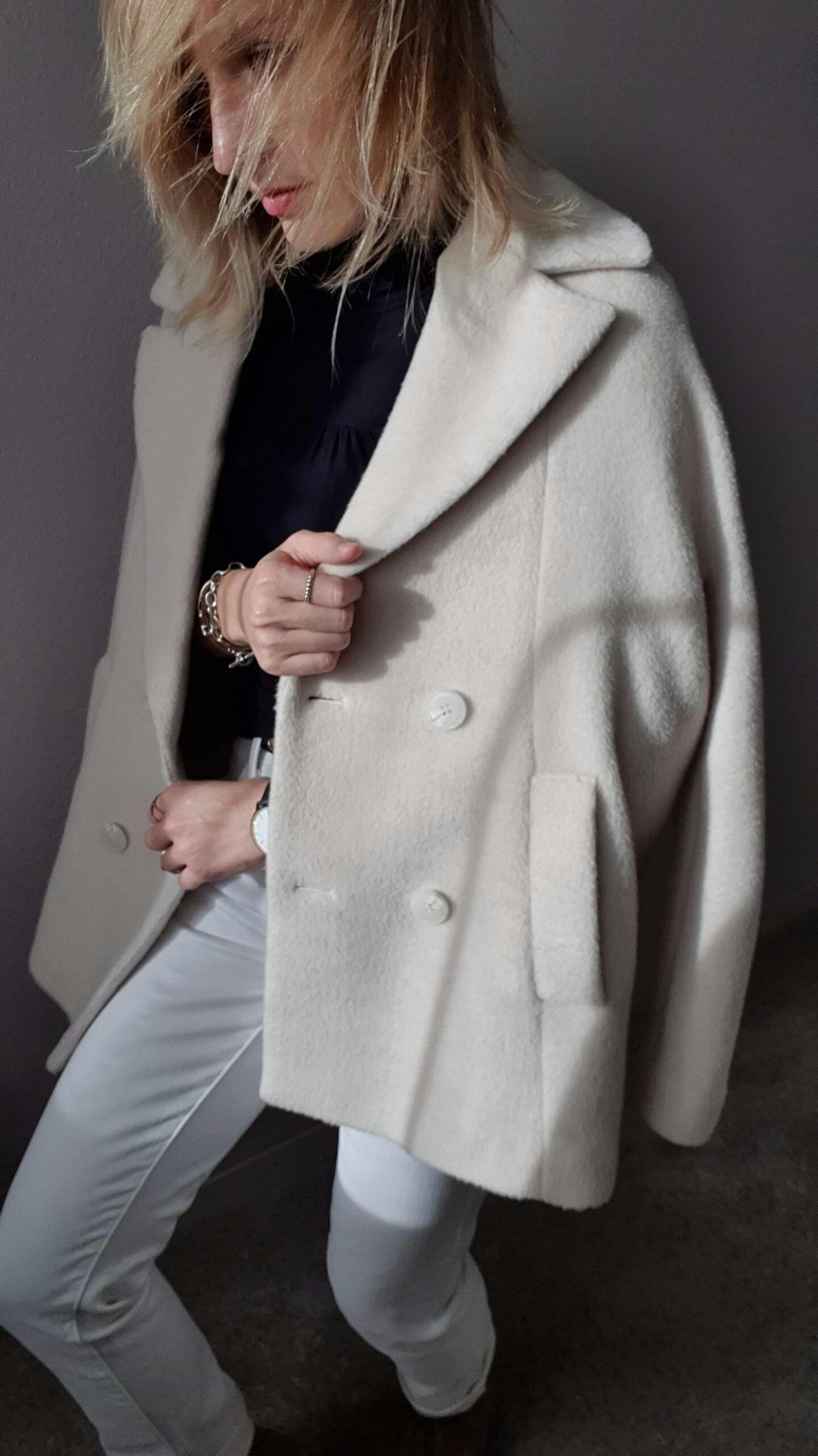
Somewhere along the way, we were taught that discomfort equals effort — and effort equals worth.
Not true.
You can be ambitious and comfortable.
You can be stylish and relaxed.
You can look polished without sacrificing your nervous system.
The goal isn’t to impress anyone.
It’s to move through your day feeling grounded, supported, and quietly confident.
Start with one upgraded basic.
Add one thoughtful layer.
Choose shoes that love your feet back.
And if you’re ready to embrace comfortable fashion in a way that actually supports your real life — one that’s practical, versatile, and wearable — Maven Daily Living is here to help you do it without guilt, pressure, or trend-chasing.
Because comfortable fashion isn’t lazy.
It’s intelligent.

