


This post may contain affiliate links. If you purchase through these links, we may earn a small commission at no additional cost to you. As an Amazon Associate we earn from qualifying purchases.
Somewhere along the way, movement got… loud.
It turned into boot camps at dawn, matching sets that somehow feel mandatory, step counts that double as moral report cards, and an unspoken rule that if you’re not drenched in sweat, it doesn’t really count.
Fitness stopped being something you did and became something you were supposed to optimize.
Meanwhile, real life kept happening.
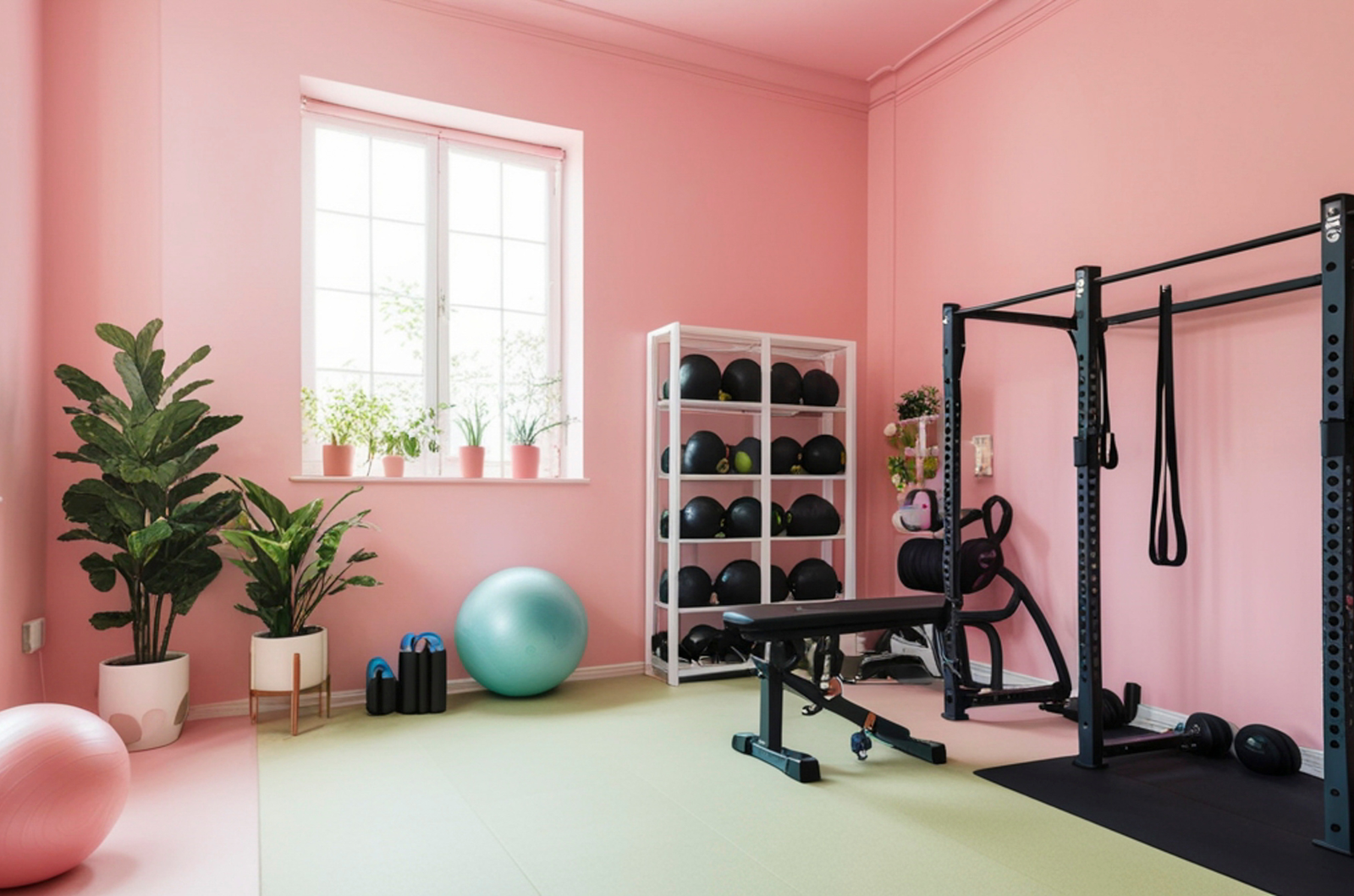
This is exactly where gentle fitness tools for at-home movement come in—supportive, flexible options designed for real life, not highlight reels.
Work deadlines. Family needs. Mental load. Hormones doing their own thing. Sleep that’s fine one night and completely missing the next. A body that isn’t broken—but is definitely asking, sometimes loudly, for a different kind of care.
Here’s the truth we don’t say often enough: gentle movement is still movement. And for many women, it’s the difference between exercising occasionally and moving consistently. Between feeling depleted and feeling supported.
At-home movement doesn’t require a full gym setup, a color-coded plan, or an hour you don’t realistically have. A few thoughtfully chosen tools—used intuitively, without pressure—can support strength, mobility, circulation, and energy without turning your living room into a performance space.
Hear Me Out… These Work
⭐ Walking Pads → See Price on Amazon
⭐ Resistance Bands → See Price on Amazon
⭐ Light Dumbbells → See Price on Amazon
⭐ Sliders → See Price on Amazon
⭐ Stability Balls → See Price on Amazon
What “Gentle Fitness” Really Means (And What It Doesn’t)
Gentle fitness isn’t code for “easy,” “lazy,” or “ineffective.”
It’s about choosing the right level of challenge for your body on any given day—and having tools that allow that flexibility.
Gentle fitness means:
- Low joint impact, so movement doesn’t come with next-day regret
- Scalable intensity, where you can adjust without quitting
- Support for nervous system health, not just muscles
- Sustainability, especially on busy or unpredictable days
It does not mean:
- Doing nothing
- Avoiding strength work
- Ignoring progress
- Settling for less than you deserve
Low-load resistance, mobility-focused training, and consistent movement have been shown to improve strength, balance, metabolic health, and mood—particularly for women navigating stress, hormonal changes, or recovery phases.
Gentle fitness works with your body instead of asking it to perform on demand.
Why At-Home Fitness Tools Matter More Than Motivation
Motivation is a mood. And moods are famously unreliable.
Tools, on the other hand, quietly show up every day.
When movement requires:
- Driving somewhere
- Following a rigid class schedule
- Energy levels you don’t currently have
…it often doesn’t happen at all.
At-home fitness tools remove friction. They make movement available in the margins of your day—the ten minutes between meetings, the half episode before bed, the moment when you realize you’ve been sitting too long.
They allow you to:
- Move in short windows without “wasting” effort
- Adjust intensity day to day
- Stop before burnout shows up
- Build trust with your body again
Think of these tools as invitations, not obligations. They don’t demand perfection—just participation.
Gentle Fitness Tools for At-Home Movement That Actually Support Consistency
Resistance Bands for At-Home Strength Training
Your “I’m gonna do something today” workout bestie. Resistance bands are easy, effective, and low-pressure—perfect for getting a good workout in without turning your living room into a full gym.
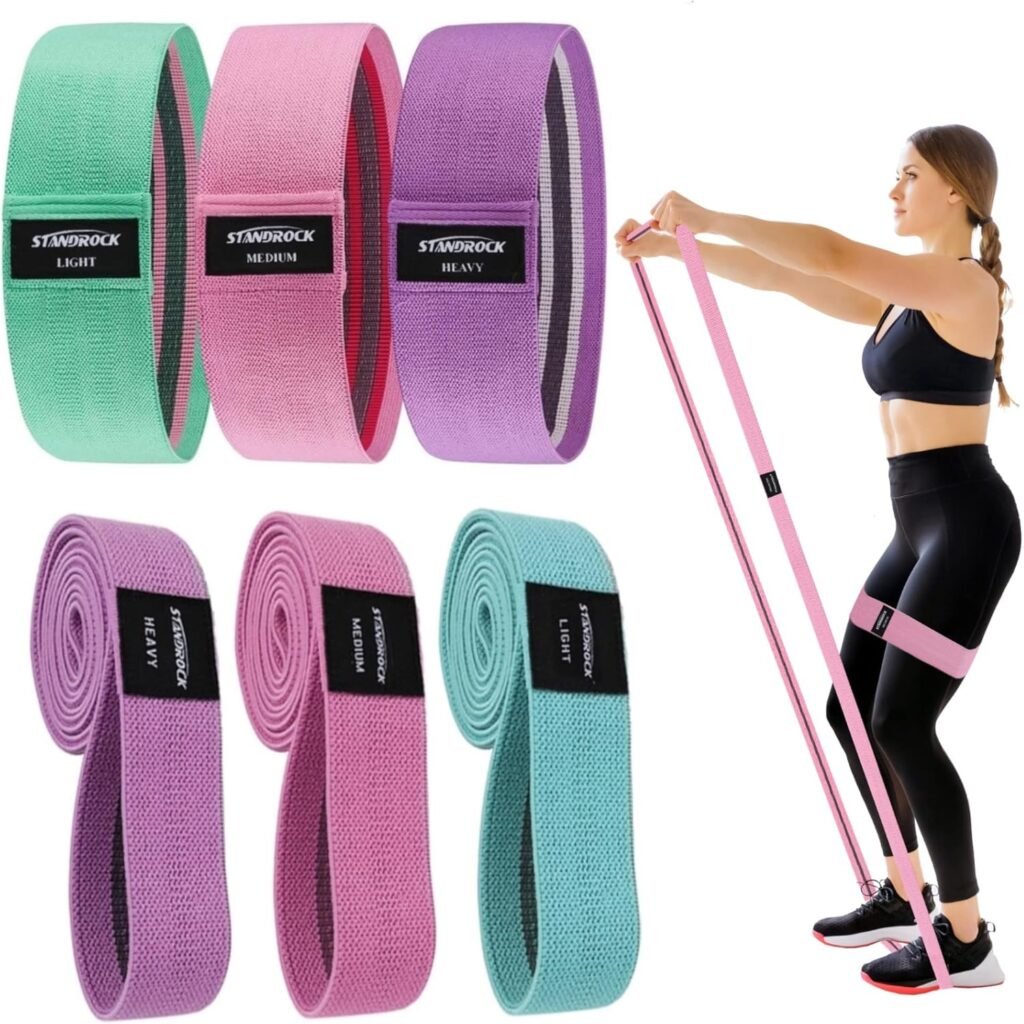
Resistance Bands
- Helps you tone and strengthen your body without heavy weights or complicated setups.
- Stretchy resistance levels you can switch up depending on how strong (or how tired) you’re feeling that day.
- You can get a real workout in without doing the absolute most
- For anyone who wants to stay active without a whole gym routine
What to look for when choosing resistance bands
- Durable latex or fabric that doesn’t roll
- Multiple resistance levels in one set
- Comfortable width for lower-body exercises
What to avoid
- Ultra-thin bands that snap easily
- Sets with no resistance labeling
- Bands that pinch or roll during movement
If there’s one category worth investing in early, it’s resistance bands.
They’re compact, affordable, and surprisingly effective—especially for building strength without stressing joints. Resistance bands are a staple in gentle at-home workouts because they meet you exactly where you are.
Resistance bands create constant tension, which keeps muscles engaged through the full range of motion. That’s ideal for days when heavy weights feel like too much, but doing nothing doesn’t feel right either.
Why resistance bands are worth buying
- Strength training without joint strain
- Easy to scale intensity by band thickness
- Excellent for glutes, arms, posture, and core
- Small enough to live anywhere
These are the bands you’ll actually use—during dinner prep, between meetings, or while catching up on a show.
Light Dumbbells for Gentle Strength at Home
Your go-to for low-pressure, high-impact workouts. Light dumbbells are perfect for toning, sculpting, and adding just enough challenge to your routine without it feeling intimidating.
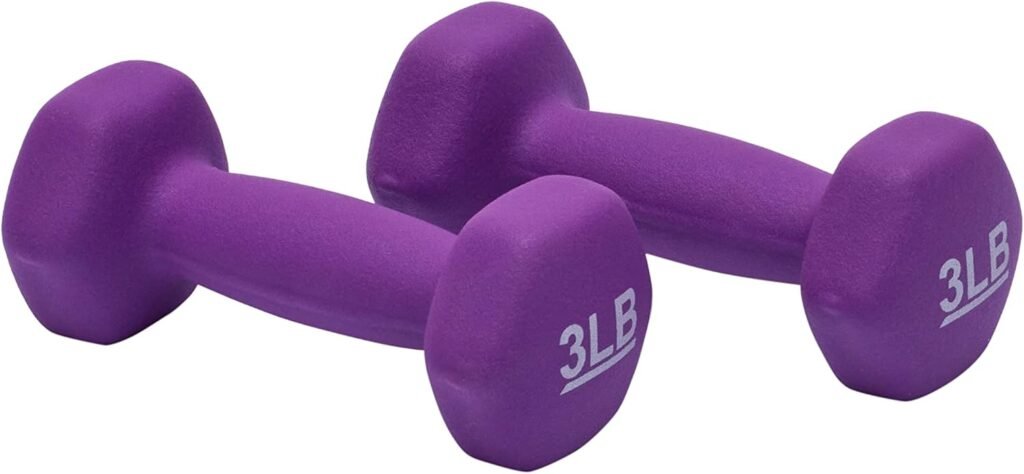
Light Dumbbells
- Helps build strength and definition in a way that feels manageable and beginner-friendly.
- Lightweight design (usually 2–10 lbs) that’s easy to use for a variety of exercises.
- Perfect for quick workouts that still do something
- Good for anyone who wants a simple, at-home setup
What to look for
- Weights between 2–10 lbs
- Comfortable grip (especially if hands fatigue easily)
- A shape that doesn’t roll away mid-set
What to avoid
- Cheap coatings that chip or smell strongly
- Oversized grips that strain wrists
Light dumbbells are one of those items that seem basic—but earn their keep quickly.
They’re especially useful if you’re building strength slowly, returning after time off, or easing into beginner-friendly workout equipment that doesn’t feel overwhelming.
Why light dumbbells are a smart buy
- Support bone density and muscle endurance
- Improve everyday functional strength
- Easy to use in short, focused sessions
This is one of those tools that works best when it’s easy to grab and put back—no setup, no mental negotiation required.
Pilates Rings for Core and Inner-Thigh Strength
That small-but-mighty piece of equipment that makes your workouts burn in the best way. Pilates rings add just enough resistance to level up your routine without making it complicated.
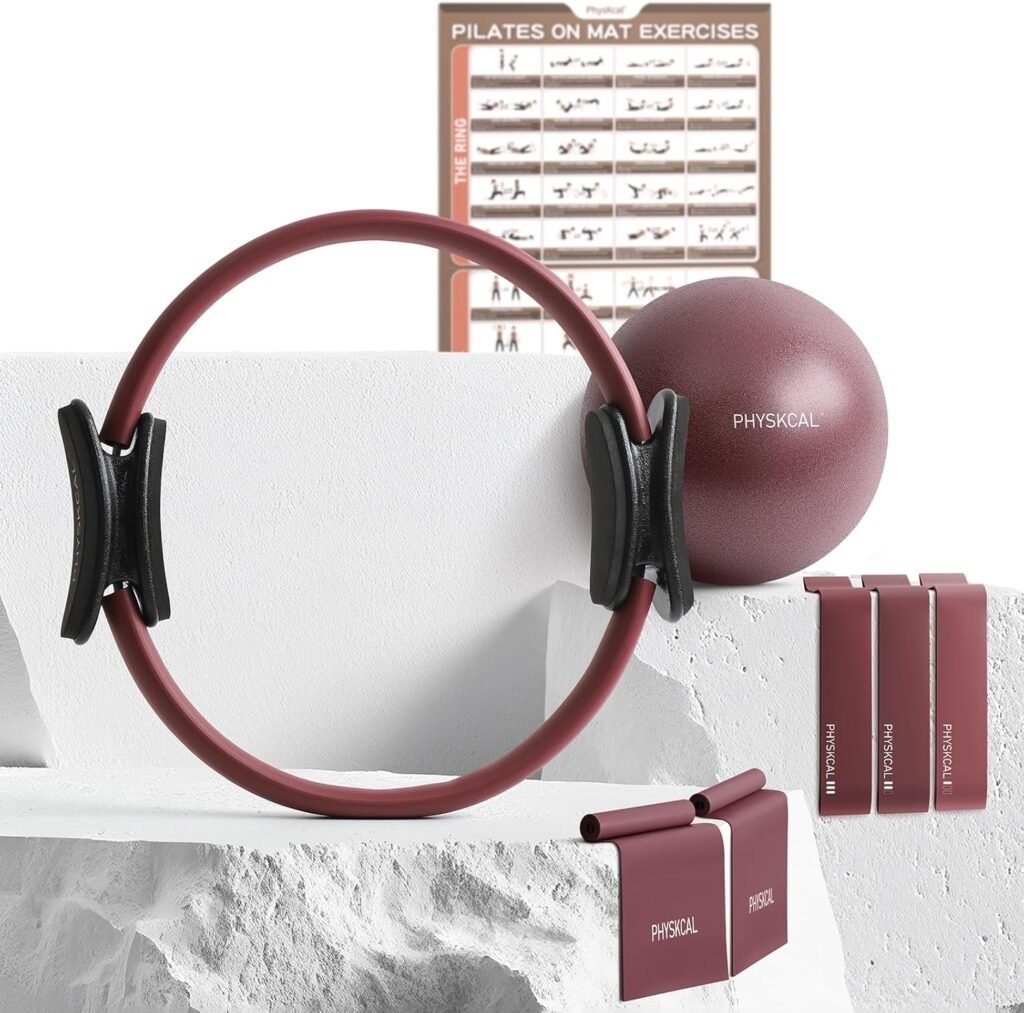
Pilates Rings
- Helps tone and strengthen those hard-to-target areas (inner thighs, arms, core)
- Lightweight ring with padded handles that adds resistance through gentle squeezing
- Targets those “small muscle” areas that make a big difference
- Good for pilates lovers and low-impact workout fans
What to look for
- Medium resistance (too soft = ineffective, too firm = awkward)
- Cushioned handles for comfort
- Lightweight but sturdy construction
What to avoid
- Overly rigid rings with no give
- Cheap plastic that warps easily
Pilates rings don’t look impressive, which is exactly why they work.
They offer gentle resistance and tactile feedback, helping activate deep stabilizing muscles that often get skipped in traditional workouts.
Why this tool is worth considering
- Strengthens inner thighs, arms, chest, and core
- Encourages better alignment and control
- Takes up almost no space
This is a great option if you want targeted strength without feeling like you “worked out.”
Yoga Blocks and Straps for Gentle Mobility and Support
Your flexibility support system. Yoga blocks and straps help you get deeper into stretches, improve your form, and make your practice feel more accessible—no matter where you’re starting.
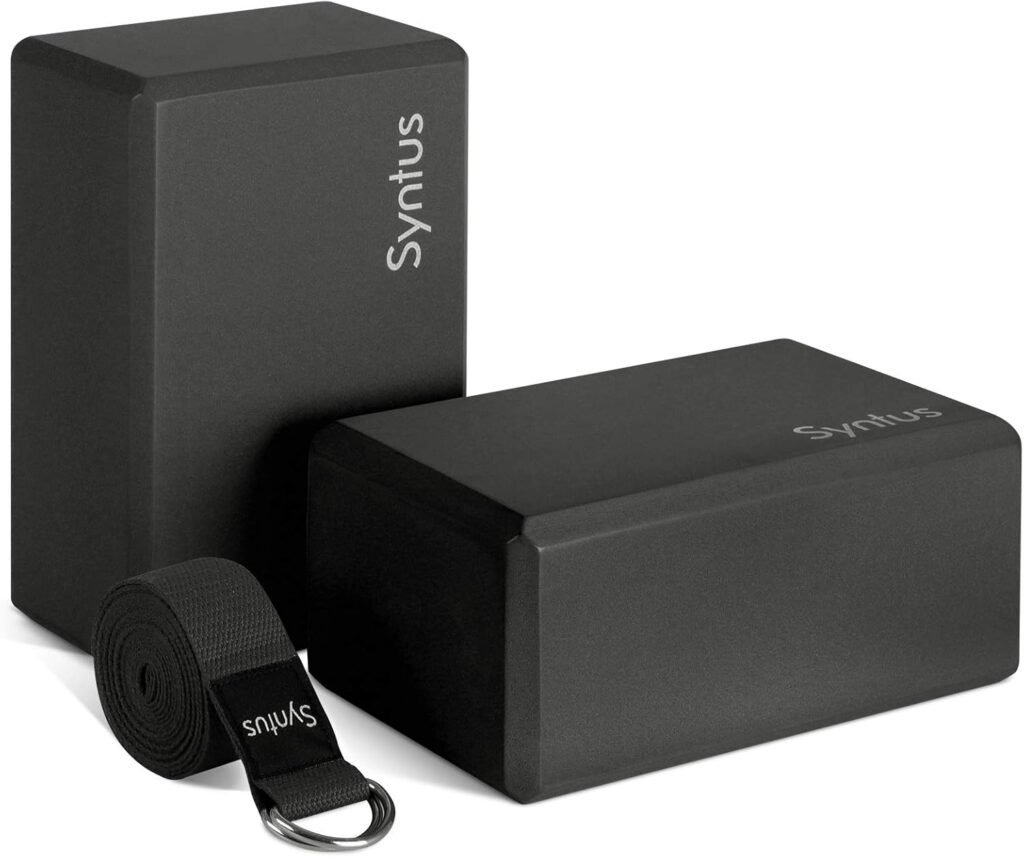
Yoga Blocks and Straps
- Makes stretches and poses easier, safer, and more effective
- Supportive blocks and adjustable straps that help you reach, hold, and stabilize positions
- Helps you actually do the poses instead of struggling through them
- Good for yoga, stretching, or recovery days
What to look for:
- Sturdy, lightweight blocks (foam vs. cork—your preference)
- Adjustable strap with secure buckle
- Non-slip surface for stability
- Comfortable edges that won’t dig into your hands
- Durable material that holds its shape
- Easy to carry/store with your mat
This is one category where buying quality actually matters.
Yoga blocks and straps are about support—not forcing flexibility or pushing range of motion beyond what feels good.
Why they’re worth having at home
- Improve alignment and balance
- Reduce strain on joints
- Make floor-based movement more accessible
Look for Dense foam or cork blocks (not squishy) and straps with adjustable buckles. Avoid foam blocks that collapse under weight and short straps that limit usefulness.
Amazon tends to do this category particularly well, especially for affordable, no-frills sets that last.
Sliders for Low-Impact Strength and Stability
Your secret weapon for that slow, controlled burn. Sliders turn basic movements into full-core, full-body workouts—without needing a ton of space or equipment.
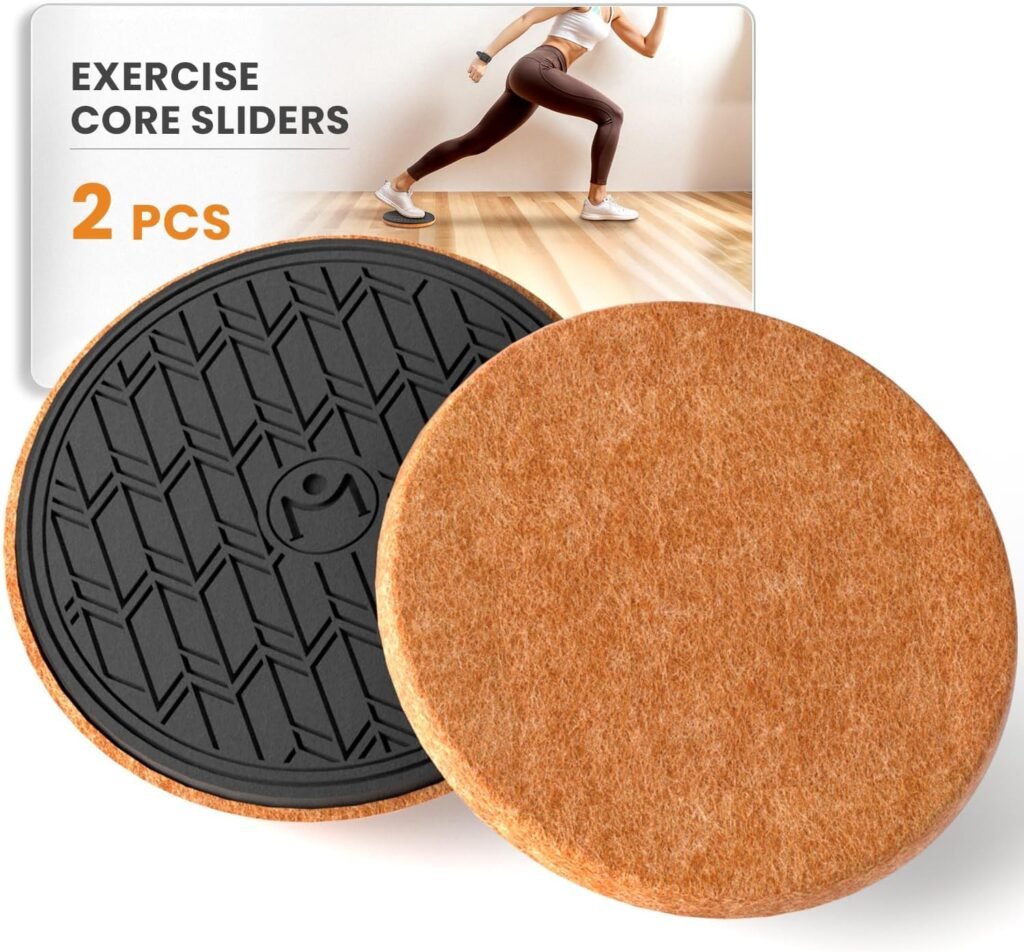
Sliders
- Engages your core and stabilizing muscles for a more effective workout
- Smooth-gliding discs that add resistance through sliding movements on floors or carpet
- Makes simple exercises feel way more intense (in a good way)
- For pilates, core workouts, and toning routines
What to look for
- Dual-sided sliders for carpet and hard floors
- Smooth edges that won’t catch
What to avoid
- Single-surface sliders
- Cheap plastic that cracks under pressure
Sliders are deceptively challenging—in the best way.
They introduce controlled instability, making them a smart option for low-impact fitness tools that still feel engaging.
Why sliders are a solid addition
- Strengthen legs and core together
- Improve coordination
- Low impact, high payoff
They’re perfect for days when you want to feel strong without feeling sore.
Stability Balls for Core, Balance, and Mobility
Your core’s favorite challenge. A stability ball brings balance, strength, and low-impact movement into your routine—while also doubling as a desk chair if you’re feeling productive.
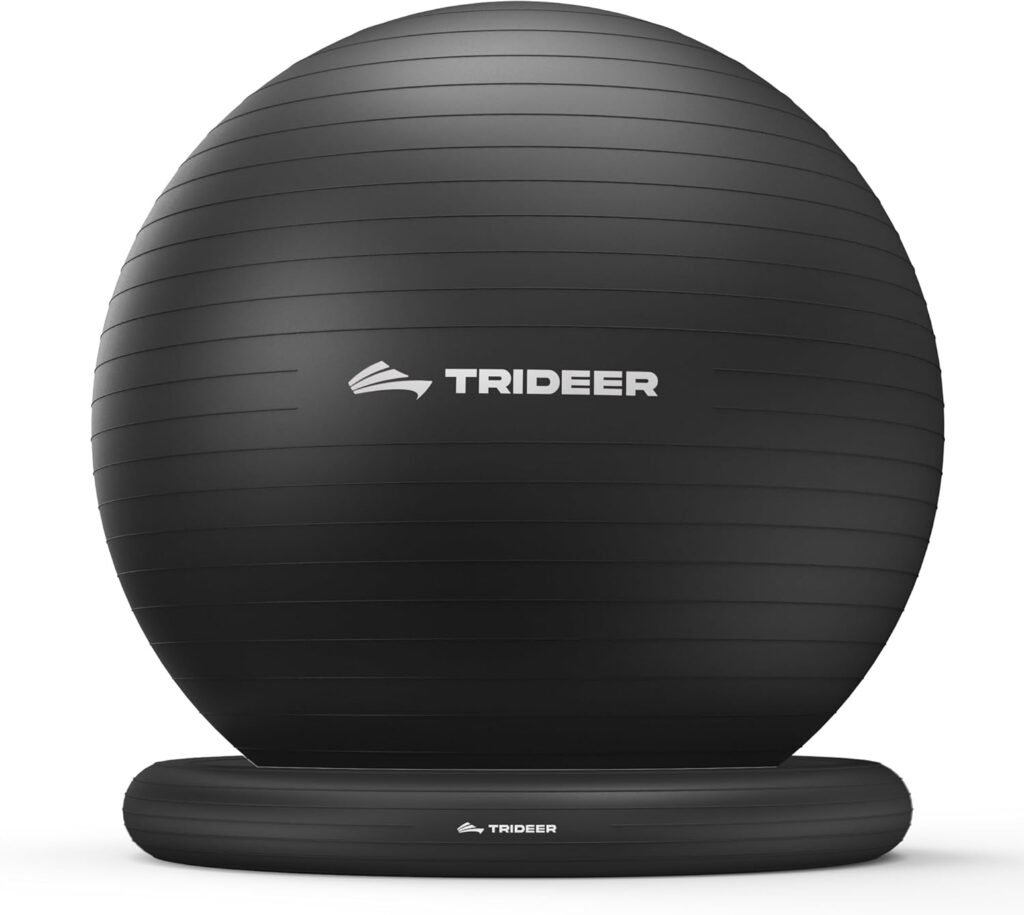
Stability Balls
- Improves core strength, balance, and posture all at once
- Large, inflatable ball that creates instability—forcing your muscles to engage more during exercises
- Makes simple workouts way more effective
- Good for core workouts, Pilates, and low-impact training
What to look for
- Anti-burst material
- Size appropriate for your height
- Non-slip surface
What to avoid
- Thin, under-inflated balls
- One-size-fits-all claims
Stability balls encourage engagement simply by requiring balance.
They’re especially helpful if traditional floor exercises feel uncomfortable or restrictive.
Why they’re worth considering
- Build core strength without crunches
- Support gentle back extension and mobility
- Add variety without complexity
Yes, sitting on one occasionally counts—especially on long workdays.
Walking Pads and Mini Steppers for Small-Space Cardio
Your “I’ll just get a few steps in” solution that actually works. Walking pads are slim treadmills you can use at home—perfect for staying active while working, watching TV, or just not leaving the house.
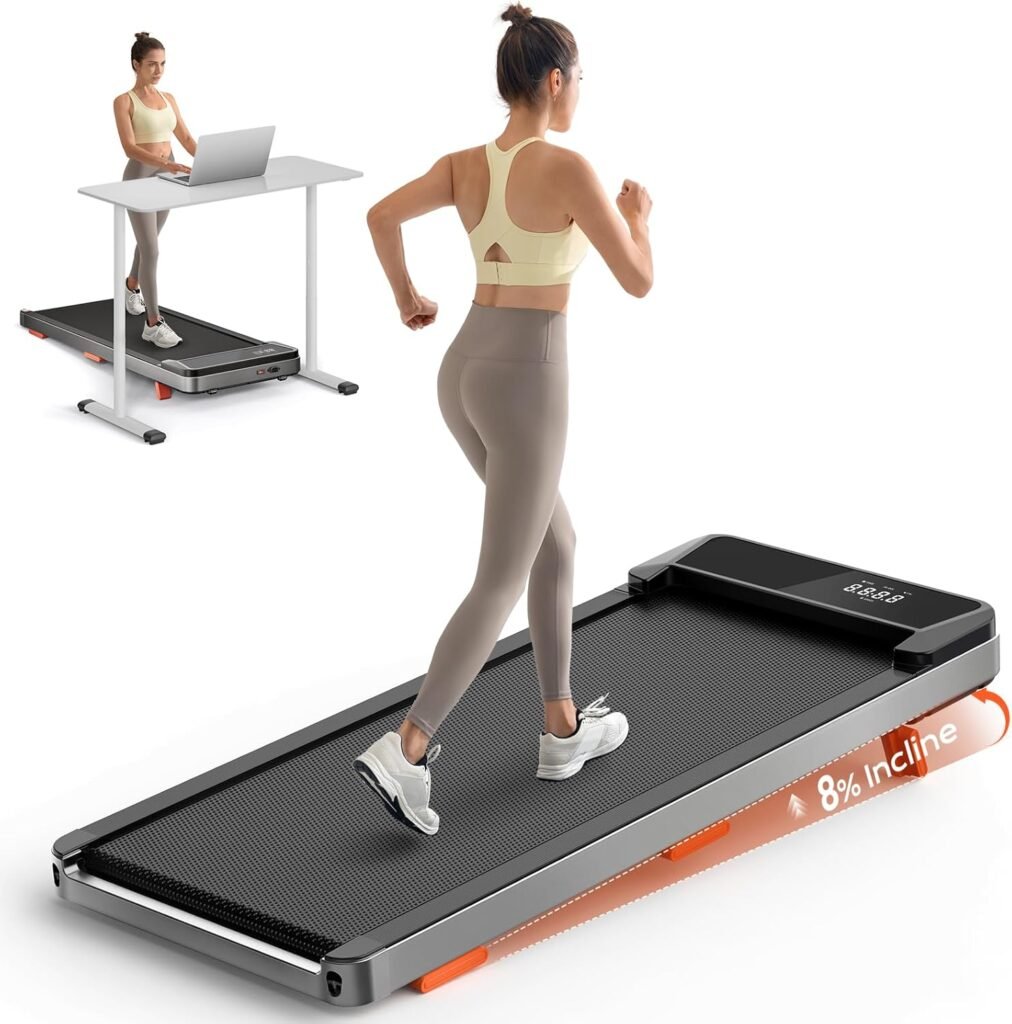
Walking Pads
- Helps you stay active and hit your steps without needing a full workout or going outside
- Compact, under-desk treadmill design that fits easily into small spaces
- You can walk while working or watching your shows
- Good for anyone trying to move more throughout the day
What to look for
- Quiet motors
- Slim, easy-to-store designs
- Simple controls
What to avoid
- Bulky models that require rearranging furniture
- Overly complicated displays
This is one of those categories where convenience drives consistency.
Walking pads and mini steppers allow movement to happen alongside life—not instead of it.
Why they’re worth the investment
- Low-impact cardio at home
- Easy to use during calls or TV time
- Support daily circulation and energy
When choosing one, look for ease—not features you’ll never use.
Recovery Tools Are Fitness Tools, Too
Your at-home tension release in the smallest form. Massage balls help you work out knots, relieve soreness, and give your muscles that “finally relaxed” feeling—without booking an appointment.
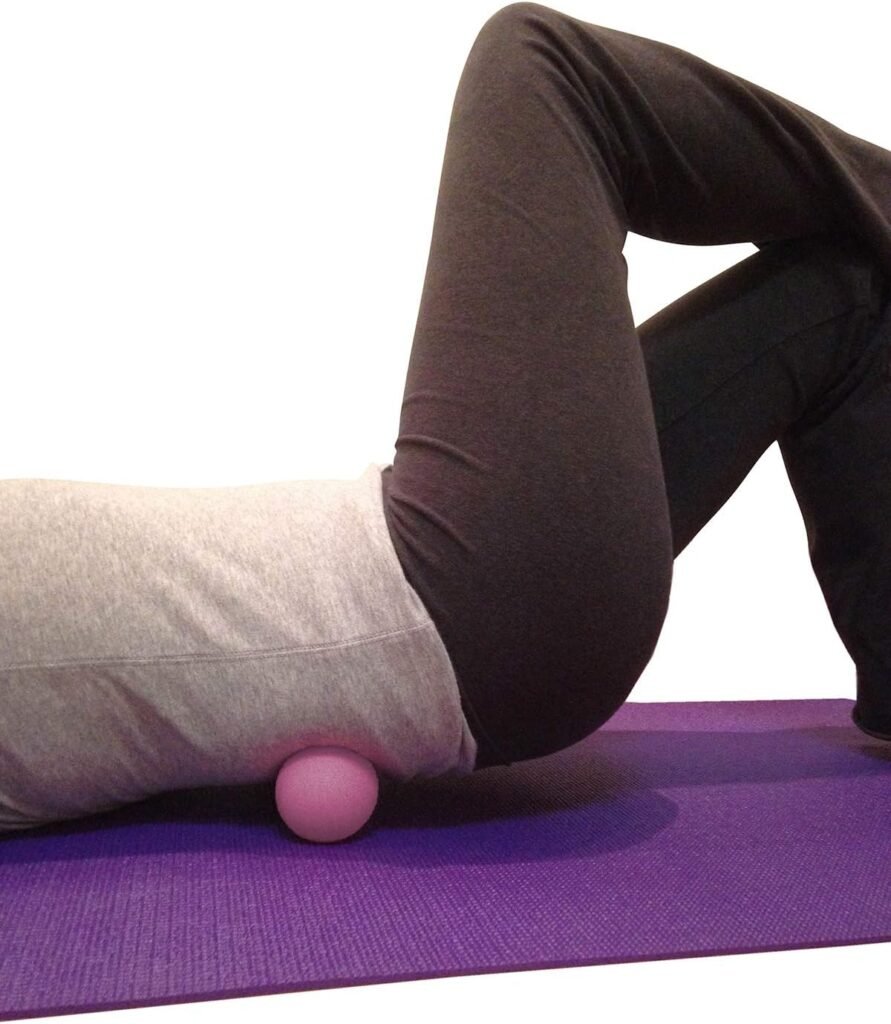
Massage Balls
- Relieves muscle tension and soreness right where you need it
- Firm, targeted pressure you can control to massage specific areas (back, shoulders, feet, glutes
- Instant relief for tight, sore muscles
- Post-workout recovery
What to look for:
- Firmness level (soft vs. deep tissue—know your tolerance)
- Textured vs. smooth surface depending on preference
- Durable material that won’t lose shape
- Size (smaller for targeted spots, larger for bigger areas)
- Easy to grip or use against a wall/floor
- Portable enough to throw in your bag
This is the part a lot of at-home setups quietly skip—and then wonder why everything feels harder than it needs to.
Recovery tools aren’t about “doing less.” They’re about helping your body feel okay enough to keep moving tomorrow. When muscles stay tight and your nervous system is fried, even gentle workouts can start to feel like a chore.
A few supportive recovery tools can make a real difference. They help release everyday tension, improve circulation, and send the signal that it’s safe to soften and unwind—especially after long days, lots of sitting, or workouts that looked easy but still did their job.
When you’re choosing recovery tools, comfort matters more than intensity. Look for a medium-density foam roller that feels firm but forgiving, or massage balls with a little give.
Avoid ultra-hard rollers that cause bracing and tools that feel like endurance tests.
Restorative movement isn’t skipping the work. It’s protecting it.
How to Build a Gentle At-Home Fitness Setup (Without Overdoing It)
You don’t need everything.
A smart starter setup looks like:
- One resistance band set
- One pair of light dumbbells
- One supportive prop (block, strap, or ring)
That’s enough for hundreds of combinations.
The goal isn’t variety—it’s reliability. Choose tools you’ll use on an average Tuesday, not ones that intimidate you into avoiding them.
That same mindset applies beyond movement, too. Many people find it helpful to keep a short list of go-to supports—similar to the approach shared in everyday wellness products I actually use—so wellness feels practical instead of performative.
Making Gentle Movement Stick Long-Term
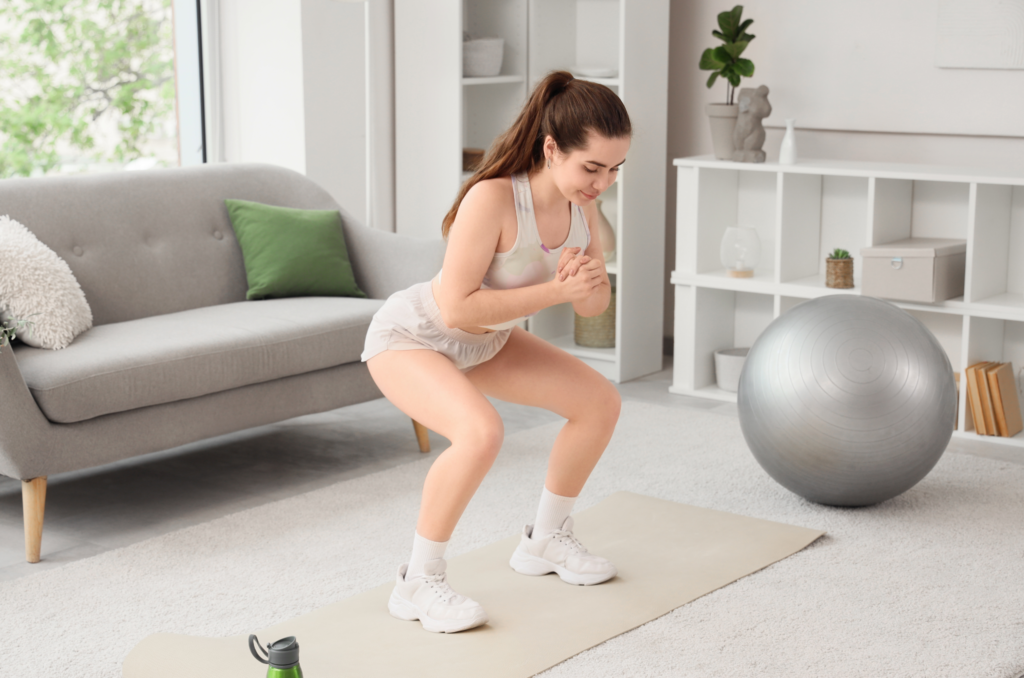
Consistency doesn’t come from discipline alone. It comes from reducing pressure.
Keep sessions short (10–20 minutes counts). Stay flexible with timing. Skip “make-up” workouts. Treat movement as self-respect, not self-correction.
This approach mirrors what makes habits last in the first place—an idea explored more deeply in simple wellness habits that actually stick, where the focus is on small choices you can actually return to on busy, imperfect days.
If your body feels better afterward—even slightly—you’re doing it right.
The Bigger Picture: Why Gentle Fitness Works
Gentle fitness supports:
- Hormonal balance
- Stress resilience
- Long-term joint health
- A healthier relationship with your body
It shifts the focus from burning calories to building trust.
And trust changes everything.
You May Also Enjoy
- At-Home Spa Night Essentials
- Calm Evening Routine Essentials
- Relaxation Finds for Stressful Weeks
- Sleep Products That Improve Rest
Frequently Asked Questions
Is gentle fitness actually effective for building strength?
Yes. Gentle fitness uses low-impact, scalable resistance (like bands or light weights) to build strength over time. It may feel less intense, but consistent use can improve muscle tone, balance, and endurance without stressing your joints.
How often should I use these at-home fitness tools?
Aim for consistency over intensity. Even 10–20 minutes, 3–5 times a week, can make a noticeable difference. The goal is to move regularly in a way that feels sustainable—not exhausting.
What if I don’t feel motivated to work out?
That’s completely normal. Gentle fitness is designed for low-motivation days. Because the tools are easy to use and accessible at home, you can still move a little—even when energy is low—and that counts.
Do I need all the tools mentioned to get started?
Not at all. A simple setup—like resistance bands, light dumbbells, and one support tool (like a yoga block or Pilates ring)—is enough to create a well-rounded routine. Start small and build as needed.
A Gentle Invitation
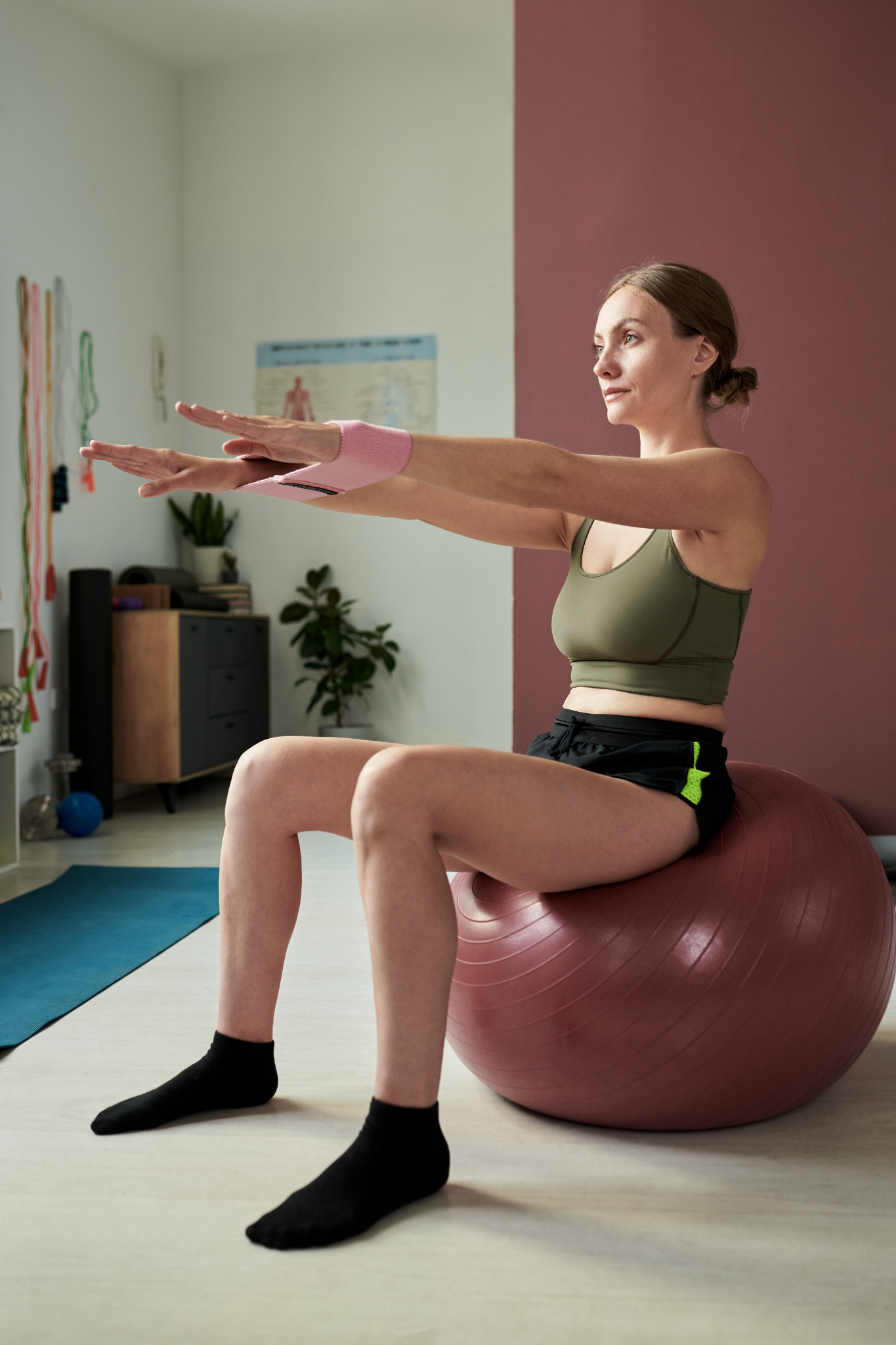
If movement has felt complicated or loaded with expectations lately, consider this a quiet pause—not a push.
Take a moment to notice what your body actually needs right now. More support? Less intensity? A different starting point altogether? There’s no wrong answer here. The goal isn’t to do more—it’s to do what feels sustainable enough to return to.
Gentle fitness isn’t a downgrade. It’s a smarter, kinder way forward—one that leaves you feeling steadier, not spent.
If this resonated, consider one small next step. Save this for a day you need a reset. Try one gentle tool this week. Or share what “supportive movement” looks like for you right now.
Let gentle fitness tools for at-home movement be something that fits into your life—not something you have to recover from.

