


This post may contain affiliate links. If you purchase through these links, we may earn a small commission at no additional cost to you. As an Amazon Associate we earn from qualifying purchases.
There’s a very specific kind of exhaustion that comes from trying to “do wellness right.”
You know the one —the reason I started paying attention to the everyday wellness products I actually use, instead of the ones I felt like I should be using.
Six-step morning routines that assume you have forty-five uninterrupted minutes before sunrise.
Powders that promise to fix your hormones, gut, skin, energy, mood, and unresolved childhood issues.
A quiet pressure to optimize every single human function before 8 a.m.
It’s the feeling that if you’re still tired, bloated, overwhelmed, or irritable, you must be doing something wrong.
Most days, we’re not trying to become our highest selves.
We’re trying to get out the door with matching shoes, remember our passwords, and answer emails without snapping at anyone who types “just circling back.”
So let’s clear something up right now: wellness habits doesn’t need to be impressive to be effective.
In fact, the most sustainable changes usually come from simple wellness products and realistic wellness habits that fit into real life instead of trying to overhaul it.
The products I actually use aren’t trendy, aesthetic, or life-altering in a cinematic montage way. They’re practical. They fit into real life. They help me feel a little more grounded, regulated, and human—without demanding perfection.
Little Things That Make a Big Difference
⭐ Yoga Mat → See Price on Amazon
⭐ Water Bottle → See Price on Amazon
⭐ Magnesium Supplement → See Price on Amazon
⭐ Heating Pad → See Price on Amazon
⭐ Resistance Bands → See Price on Amazon
Everyday Wellness Products I Actually Use
Morning Basics That Don’t Require Willpower
These are everyday self-care products that work quietly in the background—no motivation speeches required.
A Water Bottle That Makes Hydration Easier
Your simple, everyday reminder to take care of yourself—because staying hydrated is one of those small habits that makes a big difference.
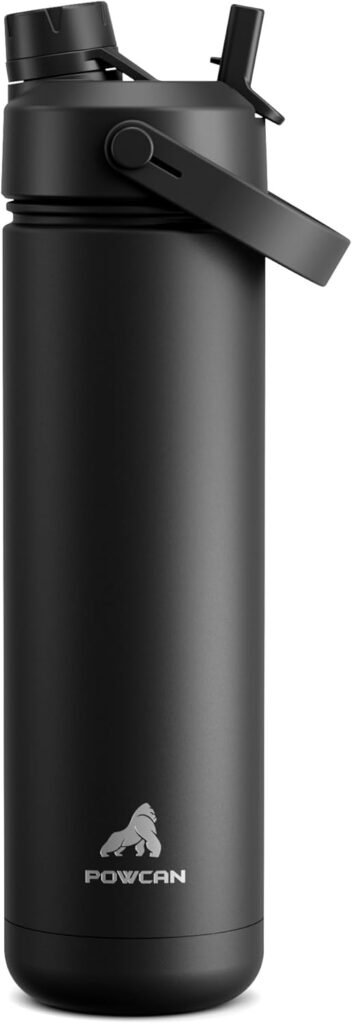
Water Bottle for Hydration
- Keeps you consistently hydrated, which supports better sleep, energy, and overall wellness
- Insulated design that keeps your water cold (or warm) for hours
- Makes drinking water feel easy and effortless throughout the day
- Perfect for anyone trying to build healthier habits or stay on top of their hydration
When choosing a water bottle, look for:
- Lightweight materials
- An easy, one-handed sip lid
- A size that actually fits in your bag or cup holder
This sounds obvious, but it’s foundational—and absolutely worth investing in.
I’ve owned water bottles that were too heavy, too tall, impossible to clean, or leaked the second they tipped over. Every single one ended up abandoned in a cabinet, silently judging me.
Hydration habits aren’t about discipline. They’re about friction.
Avoid:
- Complicated lids with a million parts
- Bottles that require two hands and patience to open
- Anything you already find annoying in the store
If drinking more water feels hard, the container is usually the problem—not you.
Magnesium Supplements (Supportive, Not Hypey)
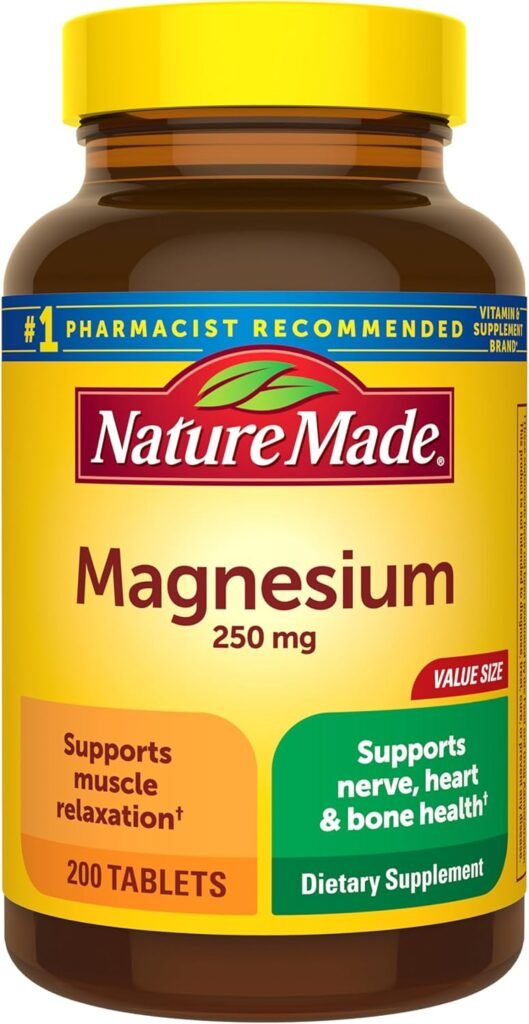
Magnesium Supplements
Your inside-out approach to better sleep—supporting your body from within so you can actually relax and unwind at night.
- Helps promote relaxation and supports deeper, more restful sleep
- Easily absorbable magnesium forms (like glycinate or citrate) that support muscle and nervous system function
- Helps quiet that restless, overthinking feeling and makes winding down feel easier
- Perfect for anyone dealing with stress, muscle tension, or trouble falling asleep
When choosing magnesium, look for:
- Clearly labeled forms (like glycinate or citrate, depending on tolerance)
- Third-party testing or transparent sourcing
- Simple ingredient lists
Magnesium is everywhere in wellness spaces, often marketed like it will fix your sleep, stress, digestion, and personality.
Here’s the more realistic version.
When I take magnesium consistently, my body feels a little less clenched. Sleep feels deeper. Stress headaches show up less often. My nervous system feels slightly more cooperative.
When I forget? Nothing implodes. That’s exactly what I want from a supplement.
This is one of those categories where quality matters more than quantity.
Avoid:
- Mega-dose blends promising overnight transformation
- Anything framed as “detoxing” or “fixing” your body
Helpful should feel gentle—not high-stakes.
Morning Light (The Free Wellness Habit That Actually Works)
This one costs nothing, which makes it deeply underrated.
Natural light in the morning helps regulate circadian rhythm, energy, and mood. It’s not about a perfect sunrise routine—it’s about sending your body a clear “it’s daytime now” signal.
Some mornings that’s a short walk.
Other mornings it’s standing outside in slippers, holding coffee, blinking at the sky like a confused houseplant.
Both count.
If mornings feel chaotic, this is one of the simplest habits to anchor to—no purchases required.
Movement Tools for Real-Life Days (Not Gym Rat Energy)
A Yoga Mat That Lives Where You Can See It
Your little space to stretch, breathe, and reset—whether it’s a full flow or just a few minutes to unwind before bed.
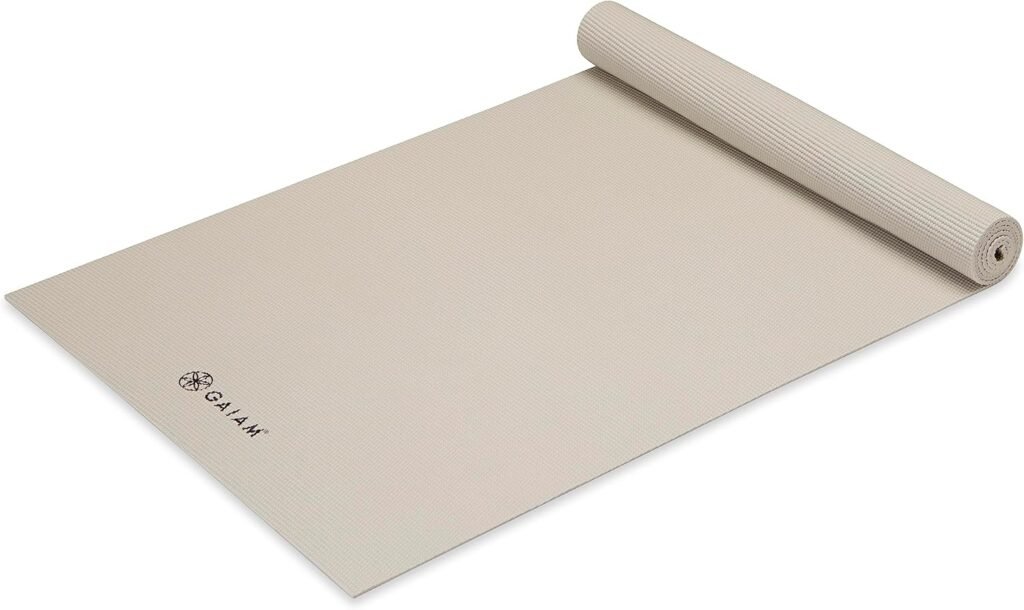
Yoga Mat
- Provides a comfortable, supportive surface for movement and relaxation
- Non-slip texture that keeps you stable through stretches and poses
- Creates a dedicated moment to slow down, clear your mind, and reconnect with your body
- Perfect for anyone into yoga, stretching, or building a calming nighttime routine
When shopping for a yoga mat, look for:
- Enough cushioning for joints
- A surface that isn’t slippery
- Easy roll-and-store design
If my yoga mat lives in a closet, it does not exist.
This is one of those items worth buying once and using for years—but only if it’s visible. Keeping it rolled up near my desk or bed makes five minutes of stretching feel accessible instead of aspirational.
Avoid:
- Ultra-thin mats that feel like concrete
- Anything so heavy you resent moving it
Visibility beats motivation every time.
Resistance Bands Instead of Bulky Home Gym Gear
Your low-effort way to move your body and release tension—perfect for those “I just need a quick stretch” moments.
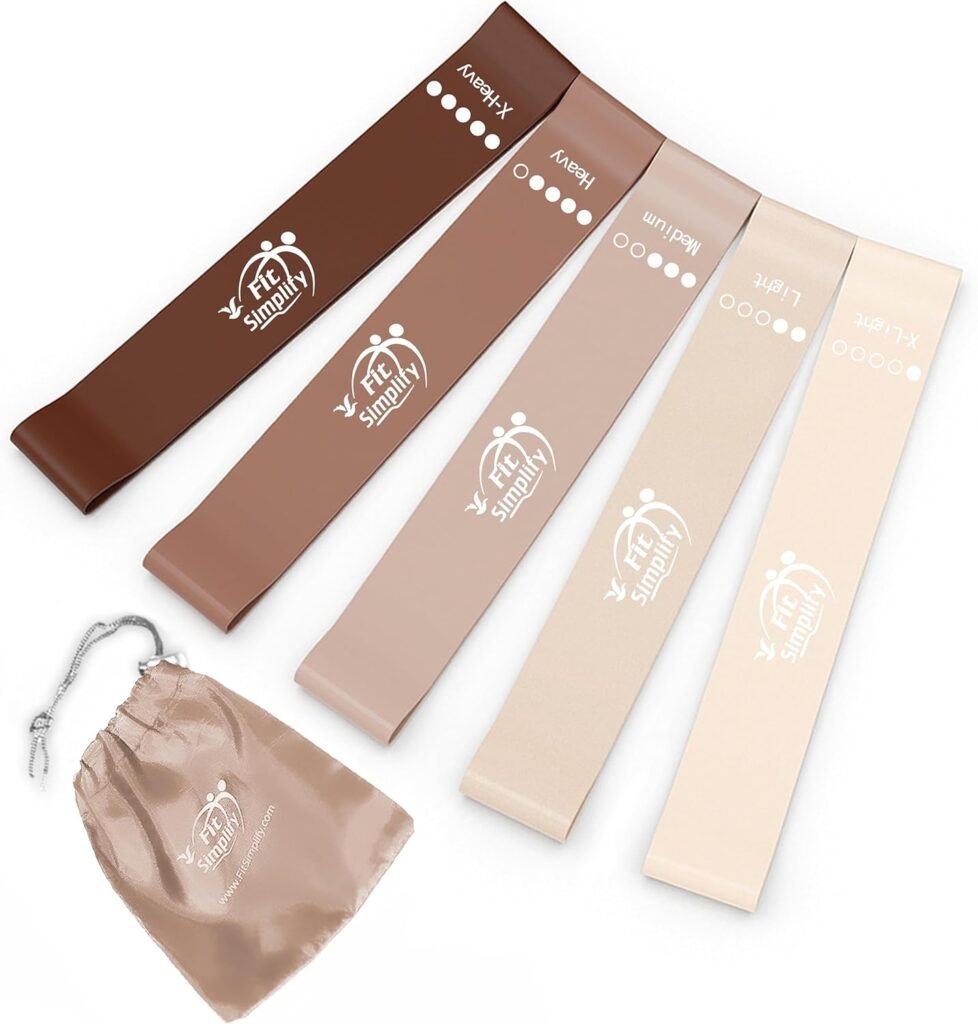
Resistance Bands
- Helps improve flexibility and relieve muscle tension, especially before bed
- Multiple resistance levels that let you customize your stretch or workout
- It’s an easy, no-pressure way to get movement in without a full workout
- Perfect for beginners, home workouts, or anyone adding gentle movement to their routine
When choosing resistance bands, look for:
- Multiple resistance levels
- Durable material that won’t snap
- Handles or loops that feel comfortable
Resistance bands are one of the most space-efficient wellness buys you can make—especially if you don’t want your living room to look like a fitness warehouse.
They’re unintimidating, versatile, and easy to store. You can use them for ten minutes between tasks or for a longer session if you have the energy. Both count.
Avoid:
- Cheap sets that lose tension quickly
- Anything that feels unsafe or flimsy
Movement tools should lower the barrier to entry—not raise it.
Food Support Without Diet Culture Energy
Protein That Doesn’t Taste Like Regret
Your easy add-on for staying fueled and feeling balanced—especially when you want something quick, simple, and actually satisfying.
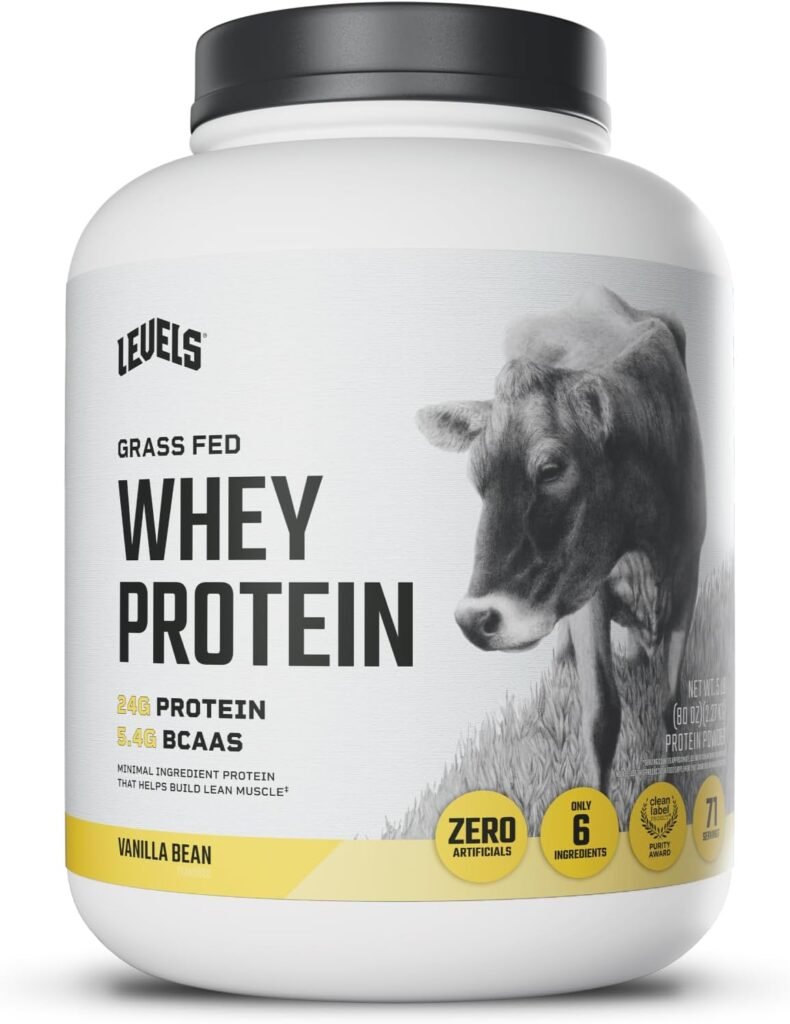
Protein Powder
- Supports muscle recovery and helps keep you feeling full and energized
- High-quality protein source (whey, plant-based, or collagen) that blends easily into drinks or smoothies
- It’s a quick, no-fuss way to boost nutrition without overthinking meals
- Perfect for busy routines, post-workout recovery, or anyone trying to hit their protein goals
I’m not tracking macros or turning meals into math problems.
I’ve just noticed that when I include enough protein, my energy stays steadier, my mood is more stable, and I’m less likely to feel ravenous at random hours.
This is one of those categories where Amazon and online retailers do particularly well—there’s a huge range, but quality varies.
When choosing protein powder, look for:
- Neutral or lightly flavored options
- Smooth texture that blends well
- Ingredients you can actually pronounce
Avoid:
- Chalky textures you dread drinking
- Formulas that upset your stomach
- Marketing that shames you into buying
If it feels punishing, it’s not supporting your health.
Everyday self-care products should feel neutral-to-kind, not like another standard you’re failing to meet.
Electrolytes for Dehydrated, Overstimulated Days
Some days are coffee-heavy and water-light. That’s real life.
Electrolytes help on days when hydration slips—not as a moral correction, but as practical support. They reduce fogginess, headaches, and that vague “why do I feel off?” feeling.
When choosing electrolytes, look for:
- Lower sugar content
- Clear sodium and mineral amounts
- Simple flavors
Avoid:
- Neon-colored powders with mystery ingredients
- Anything framed as a weight-loss tool
Support your body without shaming it for being human.
Stress Support That Fits Into Busy Lives
A Heating Pad (The Quiet MVP of Wellness Products)
Your cozy comfort fix for those tense, achy days—just plug in, wrap up, and let the warmth do its thing.
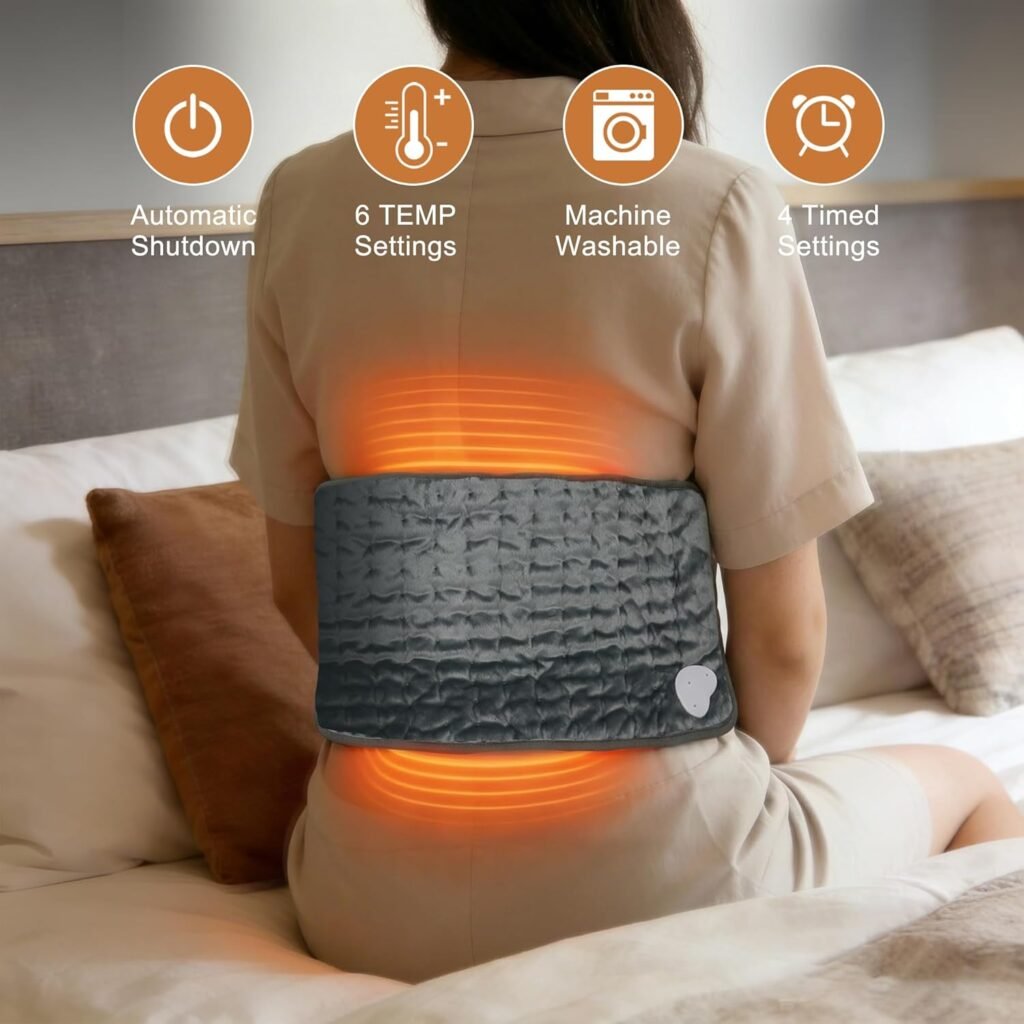
Heating Pad
- Helps relieve muscle tension and soothe aches so your body can fully relax
- Adjustable heat settings that let you choose your perfect level of warmth
- It gives instant, comforting relief and turns any moment into a cozy reset
- Perfect for sore muscles, cramps, or anyone needing a little extra comfort at the end of the day
When choosing a heating pad, look for:
- Adjustable heat settings
- Automatic shut-off for safety
- A size that actually covers the area you need
Lower back tight? Heating pad.
Period cramps? Heating pad.
Anxiety sitting in your body for no clear reason? Also heating pad.
This is one of those low-cost, high-impact items that’s absolutely worth buying if you don’t already have one.
Avoid:
- Pads that heat unevenly
- Anything without temperature control
Comfort is not a luxury—it’s regulation.
Blue Light Glasses for Screen-Heavy Days
Your evening screen-time essential—because let’s be real, we’re not putting our phones down… but we can make it easier on our eyes.
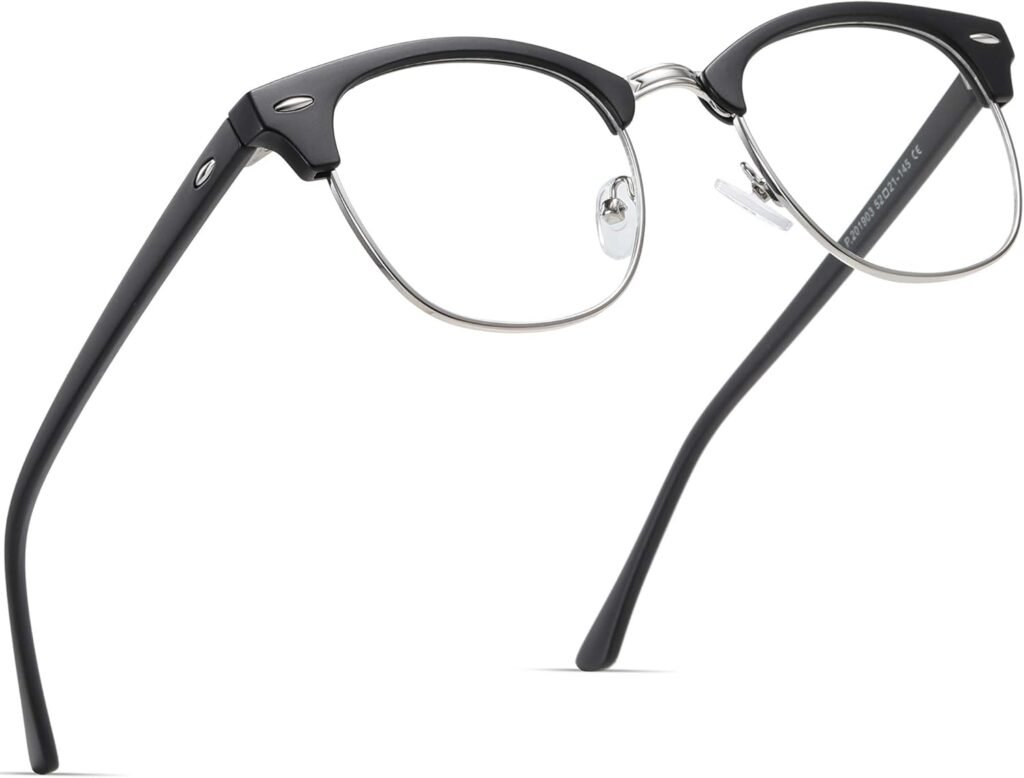
Blue Light Glasses
- Helps reduce eye strain and supports better sleep by limiting blue light exposure
- Special lenses that filter out blue light from screens without distorting your vision
- You can scroll, watch, or work late without feeling as wired or strained afterward
- Perfect for night owls, remote workers, or anyone on screens before bed
When choosing blue light glasses, look for:
- Clear lenses (not overly yellow)
- Lightweight frames
- Verified blue light filtering
Blue light glasses don’t eliminate screen fatigue, but they noticeably reduce eye strain and end-of-day headaches—especially if you work on a laptop all day.
Think of these as preventative support, not a cure-all.
Avoid:
- Fashion-only frames with no actual filtering
Modern life is screen-heavy. Supporting your eyes is practical, not dramatic.
Skincare as Care, Not Control
A Gentle Cleanser for Everyday Use
Your end-of-day reset—washing everything off (literally and mentally) so you can go to bed feeling fresh and relaxed.
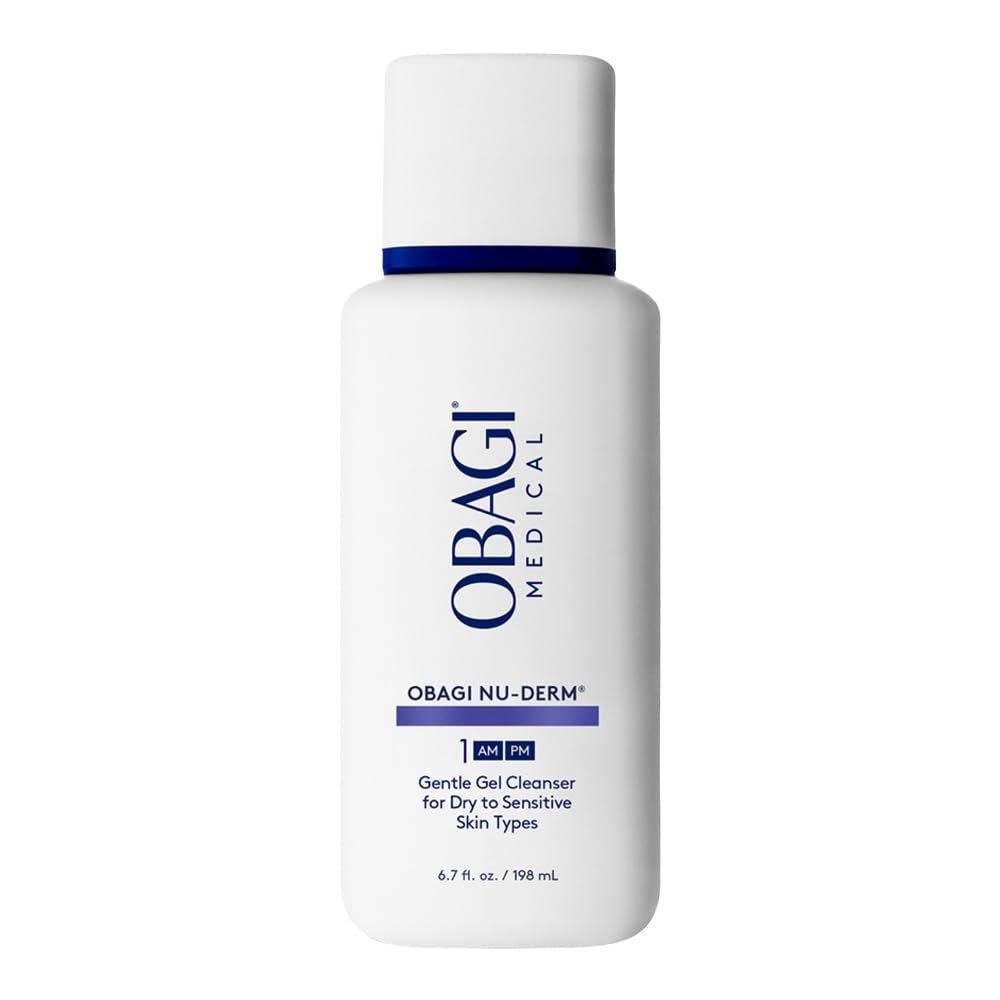
Gentle Cleanser
- Cleanses your skin without stripping it, leaving it soft and balanced
- Mild, non-irritating formula that removes dirt, oil, and makeup gently
- It leaves your skin feeling clean and hydrated—not tight or dry
- Perfect for sensitive skin or anyone wanting a simple, calming skincare routine
Look for:
- Fragrance-free or low-irritation formulas
- Simple ingredient lists
If skincare requires precision or timing, I won’t keep up with it.
Gentle, non-stripping cleansers keep my skin calm without demanding effort. This is one of those items worth spending a little more on if it means consistency.
Avoid:
- Harsh foaming cleansers that leave skin tight
Simple routines last longer.
Sunscreen You’ll Actually Wear
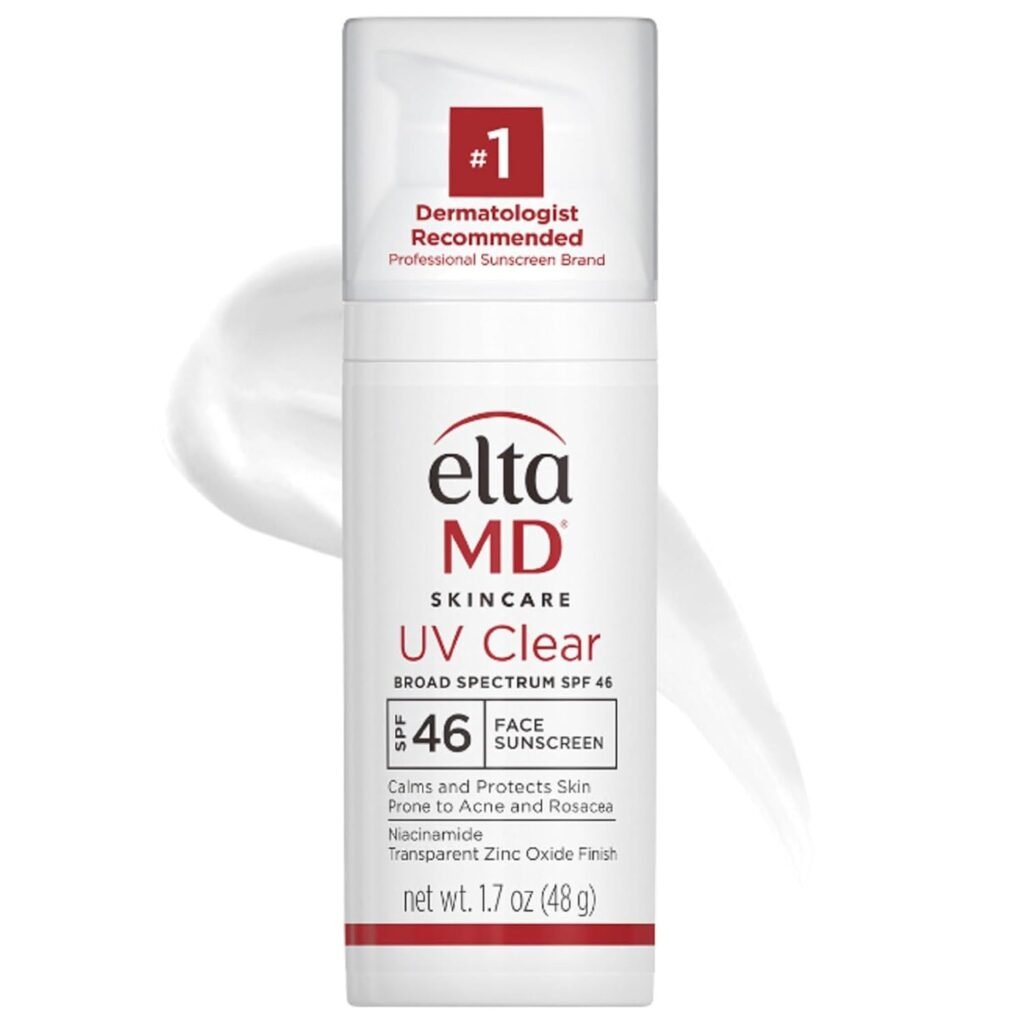
Sunscreen
- Your daily non-negotiable—because protecting your skin is the easiest glow-up you can commit to.
- Protects your skin from sun damage, premature aging, and irritation
- Broad-spectrum SPF that shields against both UVA and UVB rays
- Perfect for literally everyone—every skin type, every day
When choosing sunscreen, look for:
- Lightweight textures
- No white cast
- Comfortable daily wear
The best sunscreen is the one you’ll actually use.
Mine doesn’t sting, pill, or leave me looking ghostly—and that’s the bar.
Avoid:
- Anything you “save” for beach days only
Protection shouldn’t feel punitive.
Moisturizer That Feels Comforting
Yes, hydration matters.
But so does that subtle sense of relief when you apply it.
Skincare can be functional and still feel like care.
Pleasure belongs in wellness.
Sleep Support Without Perfectionism
Your instant lights-off switch—because sometimes the easiest way to sleep better is to block it all out and fully unplug.
A Sleep Mask That Blocks Real Light
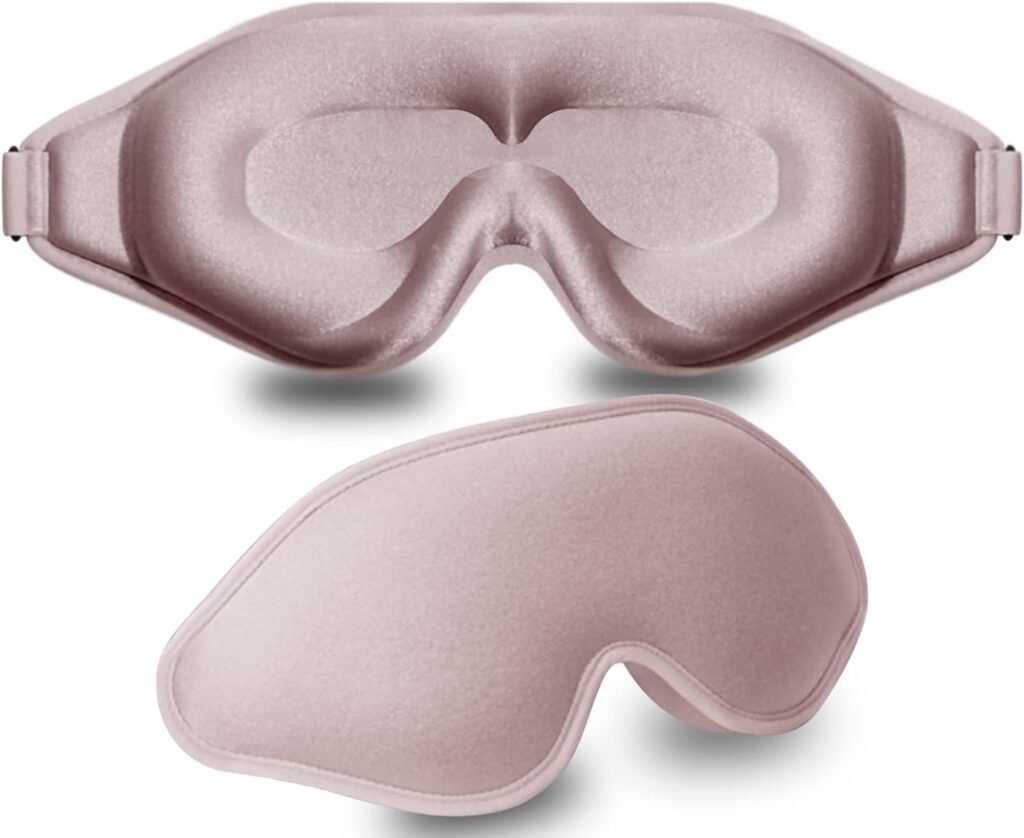
Sleep Mask
- Blocks out light so your body can relax and fall asleep faster
- Soft, contoured design that sits comfortably without pressing on your eyes
- It creates that dark, cozy environment anywhere—no blackout curtains required
- Perfect for light sleepers, travelers, or anyone dealing with bright rooms
Look for:
- Full light coverage
- Soft, breathable fabric
Streetlights and early sun disrupted my sleep more than I realized.
A good sleep mask is simple, effective, and requires zero tracking.
Avoid:
- Tight bands that cause headaches
Protecting sleep doesn’t require optimizing it.
A Consistent Wind-Down Cue
Not a routine. A cue.
For me, it’s dim lighting and familiar music. My body recognizes the signal—even when bedtime isn’t perfect.
Predictability matters more than precision.
The Products I Don’t Use (On Purpose)
I don’t use anything that:
- Makes me feel broken or behind
- Requires rigid schedules
- Turns eating, movement, or rest into a moral test
- Promises transformation instead of support
Wellness should feel like a safety net—not a tightrope.
How to Build Your Own “Actually Use It” List

Start by paying attention to what you already use without thinking about it. The water bottle that’s always nearby. The stretch you do while waiting for the kettle to boil. The one habit you don’t have to force.
That’s your starting point.
If something feels annoying, complicated, or easy to skip, it’s probably not the right fit—and that’s not a personal flaw. See where you can make things simpler or more convenient instead of trying harder.
When in doubt, choose what supports you, not what promises to optimize you. You don’t need to become a better version of yourself to deserve care.
And finally, let “good enough” actually be good enough. The things that stick are the ones that feel kind, realistic, and forgiving—not the ones that demand perfection.
You May Also Enjoy
- At-Home Spa Night Essentials
- Relaxation Finds for Stressful Weeks
- Weight Loss Tools That Support Healthy Habits
- Calm Evening Routine Essentials
Frequently Asked Questions
Do I need to use all of these products to be “healthy”?
Not even close. These are options, not requirements. Wellness isn’t a checklist—it’s a toolkit. You only need the pieces that actually support your life right now.
Is it okay if my routine changes all the time?
Completely. Your needs shift with seasons, schedules, and energy levels. A flexible routine is a healthy one—consistency doesn’t have to mean rigidity.
Are simple wellness tools really effective?
Often, yes. The most effective tools are usually the ones you’ll actually use. Small, repeatable support tends to beat big, complicated solutions every time.
Where should I start if everything feels overwhelming?
Start with one thing—preferably something that removes friction instead of adding effort. A better water bottle. A heating pad. A habit that feels comforting rather than corrective.
What are the best everyday wellness products to start with?
The best everyday wellness products are the ones you’ll actually use consistently—things that remove friction instead of adding pressure. Start with one supportive item that fits naturally into your routine, rather than trying to adopt multiple new habits at once.
A Gentle Next Step
If there’s one thing to take away from all of this, let it be this: you don’t need to overhaul your life to take better care of yourself.
Wellness doesn’t start with buying everything new or doing everything “right.” It starts with noticing what already helps—even a little—and letting that be enough for now. The water bottle you actually use.
These kinds of everyday self-care products don’t look impressive online—but they’re the ones that quietly support you day after day.
If it feels helpful, try one small change this week. Not five. Not a full routine. Just one thing that makes your day feel a bit more supported.
Or save this for later—because timing matters, and you don’t need to do anything immediately.
And if you want to share, leave a note about the wellness product or habit you genuinely come back to. Sometimes the most useful ideas are the simplest ones, passed from one real person to another.

