


This post may contain affiliate links. If you purchase through these links, we may earn a small commission at no additional cost to you. As an Amazon Associate we earn from qualifying purchases.
Some weeks don’t gently unfold.
They pile up.
Relaxation finds for stressful weeks aren’t about fixing yourself — they’re about making hard seasons feel more manageable.
Deadlines stack. Your inbox multiplies overnight. The group chat wants answers you don’t have. Your calendar looks like a competitive sport. You’re tired, but wired. Hungry, but nothing sounds good. And somehow, everyone still expects you to be fully functional, upbeat, and responsive.
If you’ve ever caught yourself fantasizing about disappearing into a quiet room with zero responsibilities and one very dramatic sigh — welcome. You’re not broken. You’re human.
Stress isn’t a personal failure. It’s a biological response doing exactly what it evolved to do. The problem isn’t that your body reacts to pressure — it’s that modern life rarely gives it a clear “all clear” afterward.
So when life feels relentless, relaxation isn’t indulgent.
It’s maintenance.
This is a realistic, no-nonsense guide to relaxation finds worth actually buying, gentle rituals that don’t demand perfection, and science-backed comforts that help stressful weeks feel survivable — without adding another thing to your to-do list.
No bubble-bath pressure. No “just be positive” energy.
Just support that fits real life.
• • Okay, But These Help
⭐ Weighted Blankets → See Price on Amazon
⭐ Loungewear → See Price on Amazon
⭐ Chamomile Tea → See Price on Amazon
⭐ Scalp Massagers → See Price on Amazon
⭐ Essential Oils → See Price on Amazon
Why Stress Hits Harder Than We Expect
Stress rarely shows up like a dramatic breakdown.
It sneaks in through jaw clenching during emails. Shallow breathing in meetings. That tight chest feeling you ignore until bedtime. Doom-scrolling even though you’re exhausted — and then wondering why sleep feels impossible.
Chronic stress keeps cortisol elevated, which can interfere with sleep, digestion, mood, focus, and energy. Translation: everything feels harder, and you don’t fully recognize yourself while it’s happening.
This isn’t a mindset issue.
It’s a nervous system issue.
The goal isn’t to eliminate stress — that’s unrealistic and unhelpful. The goal is to send your nervous system frequent signals of safety so it doesn’t stay stuck in fight-or-flight.
That’s where calm home essentials for stress-free living come in. Not luxury extras. Tools that work with your biology instead of fighting it.
Comfort Isn’t Weak — It’s Nervous System Regulation
Somewhere along the way, comfort became suspicious.
Like if you’re not pushing through, optimizing, or powering ahead, you’re doing something wrong. But research consistently shows that sensory comfort — warmth, softness, steady pressure, soothing sounds — directly calms the nervous system.
Your body doesn’t need a pep talk when it’s overwhelmed.
It needs proof that it’s safe.
Comfort is communication.
The right products quietly tell your system: you can stop bracing now.
Relaxation Finds for Stressful Weeks That Are Actually Worth It
Weighted Blankets & Lap Pads for Stressful Weeks
Your cozy reset button—wrap yourself up and instantly feel calmer, more grounded, and ready to drift off.
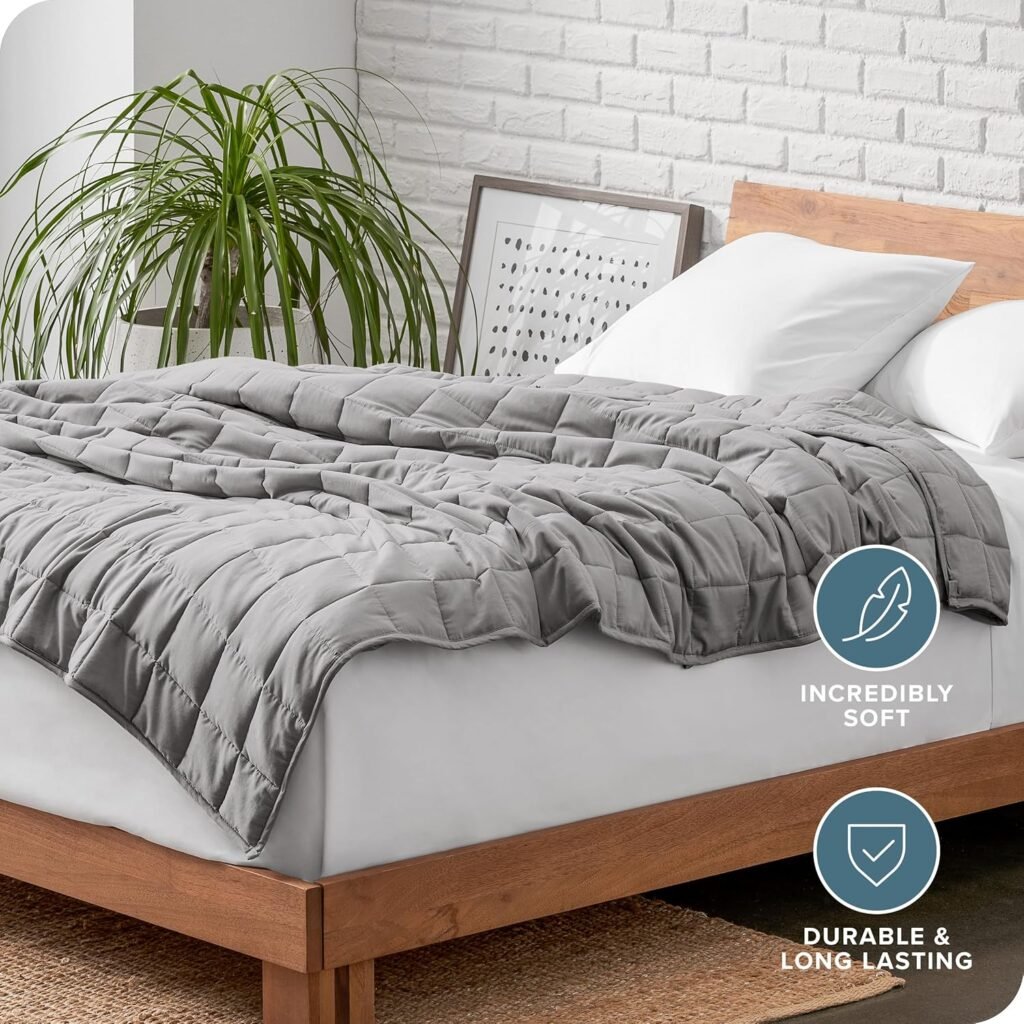
Weighted Blankets
- Promotes relaxation and helps you fall asleep faster with gentle, calming pressure
- Evenly distributed weight that hugs your body without feeling heavy or restrictive
- Gives that secure, tucked-in feeling that melts stress away at the end of the day
- Perfect for anxious sleepers, overthinkers, or anyone craving extra comfort at night
What to look for:
- Breathable materials (especially if you run warm)
- Weight that’s roughly 10% of your body weight
- Even weight distribution
This is one of those items worth investing in if stress affects your sleep.
Weighted blankets work through deep pressure stimulation, which can help increase serotonin and melatonin while lowering cortisol. It’s why they feel grounding even when your thoughts won’t slow down.
They’re especially helpful during:
- High-stress work weeks
- Anxiety-heavy evenings
- Restless or shallow sleep phases
What to avoid:
- Overly heavy blankets “just in case”
- Cheap fillings that clump or shift
If a full blanket feels like too much, a weighted lap pad or shoulder wrap is a great alternative — especially for desk work or evening wind-down time.
Loungewear You Don’t Save for “Special Days”
The soft-life essential—this is what you reach for when you want to feel put together and completely relaxed at the same time.
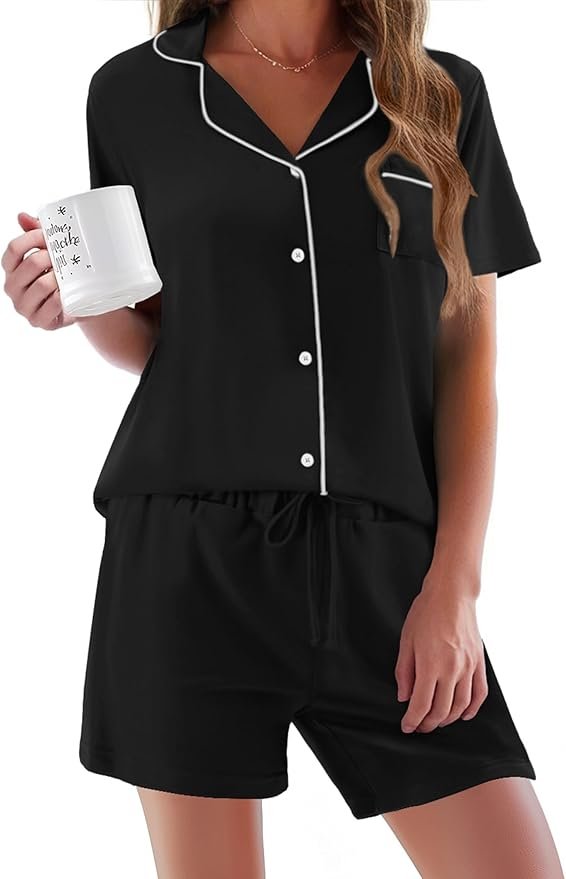
Loungewear
- Keeps you comfortable while still feeling cute and effortless
- Soft, breathable fabrics with relaxed, easy-to-move-in fits
- Cozy enough for home but still polished enough for quick errands or lounging in style
- Perfect for anyone who loves comfort-first outfits that still look good
What to look for:
- Stretch without compression
- Soft waistbands (no digging, no rolling)
- Fabrics that feel good after hours, not minutes
You know the soft set you only wear on cozy Sundays?
Wear it on regular Tuesdays.
Soft, non-restrictive clothing reduces physical tension throughout the day. Tight waistbands, stiff fabrics, and scratchy seams send low-grade stress signals your body never gets a break from.
This category is one Amazon does particularly well, self-care essentials for busy women — especially for affordable sets you won’t feel guilty wearing constantly.
Comfortable clothes aren’t giving up.
They’re choosing regulation.
Small Daily Rituals That Make Stress Feel Contained
Rituals work because predictability calms the nervous system.
They don’t need to be aesthetic or impressive. They just need to happen consistently enough that your body recognizes them.
A 5-Minute End-of-Day Shutdown Ritual
This is one of the simplest habits that pays off quickly.
Choose one action that marks the end of work mode:
- Changing clothes
- Washing your face
- Lighting a candle
- Closing your laptop and putting it away
Same action. Same time. Every day.
This boundary matters — especially if you work from home or your schedule bleeds into evenings.
Warm Drinks That Actually Help You Relax
Your nightly wind-down in a cup—warm, calming, and basically a signal to your body that it’s time to relax.
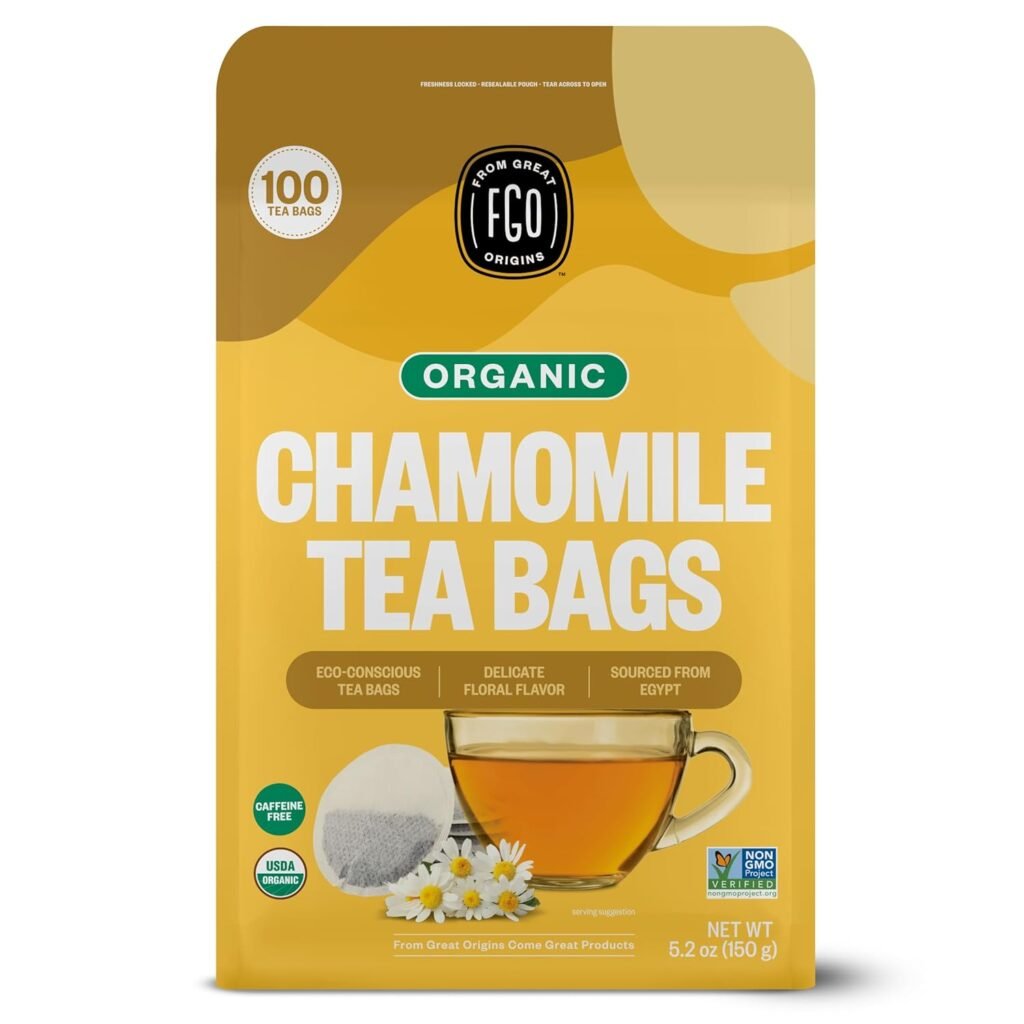
Chamomile Tea
- Helps you unwind and promotes a more restful night’s sleep
- Naturally caffeine-free with gentle, calming properties
- Creates a soothing bedtime ritual that feels cozy and relaxing
- Perfect for anyone looking to de-stress and ease into sleep without stimulants
What to look for:
- Caffeine-free blends for evening use
- Simple ingredients (no “sleepy detox miracle” nonsense)
Warmth activates the vagus nerve, helping your body shift out of stress mode. Even holding a warm mug can lower shoulder tension.
Chamomile, ginger, rooibos, or warm water with lemon all work.
What to avoid:
- Hidden caffeine (green tea, yerba mate, or anything labeled “energy” or “focus”)
- Overly complicated blends with long ingredient lists you can’t pronounce
This isn’t about finding the perfect tea. It’s about creating a reliable, comforting cue for calm that your nervous system learns to recognize.
Touch-Based Relaxation Without Scheduling Anything
Massage sounds great — until you remember you have to book it, commute, and talk.
Luckily, touch doesn’t need to be formal to work.
Scalp Massagers & Face Rollers
A tiny upgrade that feels way more luxurious than it should—this is your quick, everyday stress reliever built right into your routine.
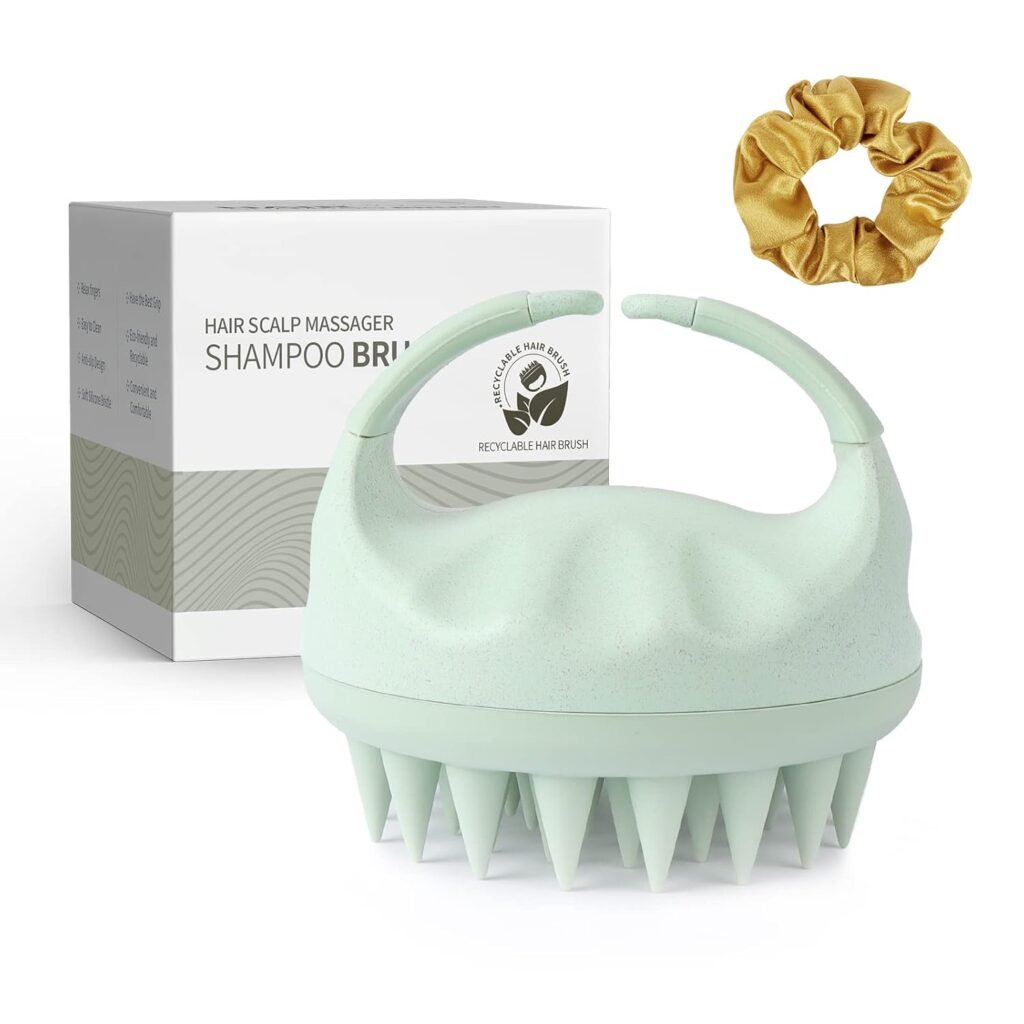
Scalp Massagers
- Helps relax tension and promotes a calming, feel-good sensation
- Soft, flexible bristles that gently stimulate the scalp without scratching
- Turns something as simple as washing your hair into a mini self-care moment
- Perfect for anyone looking to de-stress, upgrade their shower routine, or care for their scalp
What to look for:
- Smooth edges (no pulling hair or skin)
- Tools that feel calming, not aggressive
These are small tools with surprisingly big payoff.
The scalp and face hold more tension than we realize. Gentle pressure can release stress you didn’t know you were carrying.
Five minutes before bed or during a midday reset genuinely helps.
Hand & Foot Care as Grounding
Slowly applying lotion to hands or feet pulls attention out of mental loops and back into the body.
This is one of the most overlooked relaxation habits — and one of the easiest.
Scent: One of the Fastest Ways to Feel Calm
Scent bypasses logic and goes straight to the emotional brain. That’s why it works so quickly.
Essential Oils (Without the Woo)
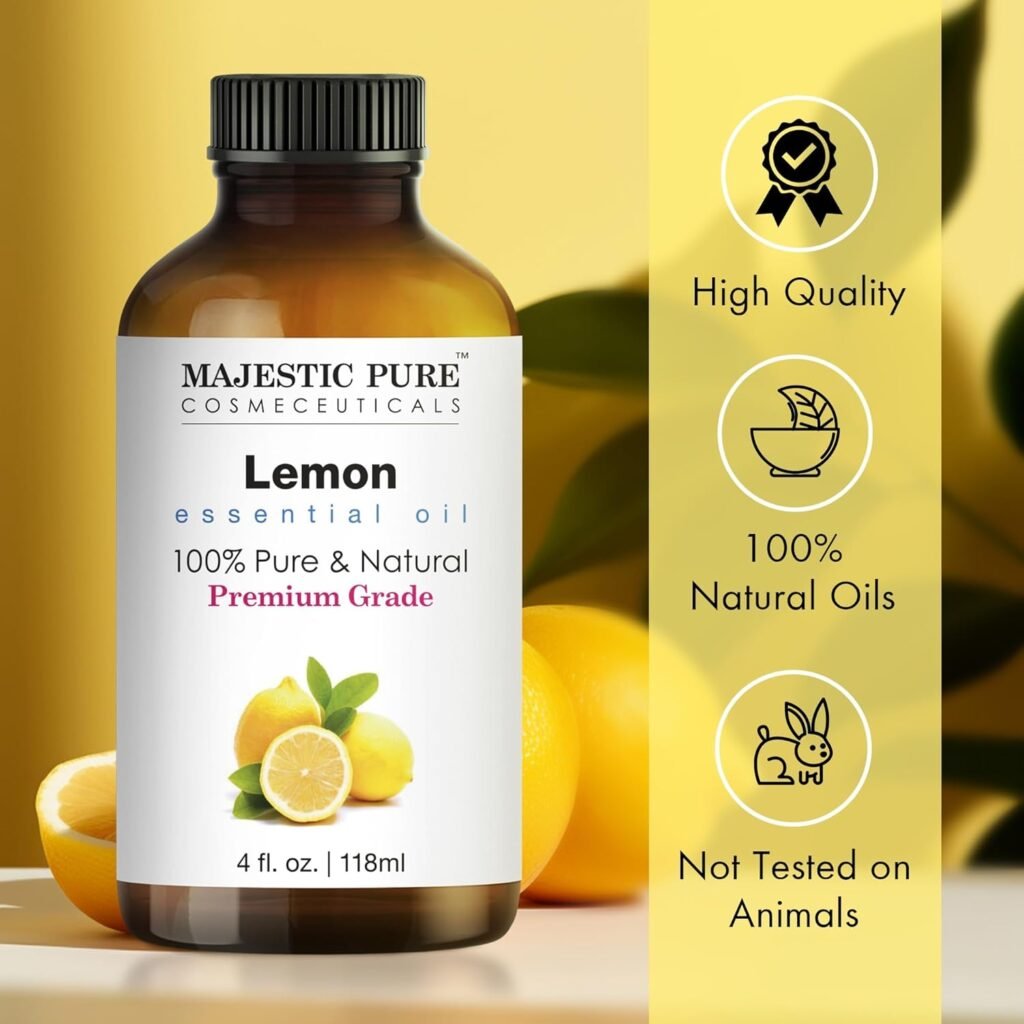
Essential Oils
- Helps create a calming, relaxing atmosphere that supports better sleep
- Concentrated plant-based oils with soothing scents like lavender, eucalyptus, or chamomile
- Instantly shifts the mood of your space and makes your routine feel more intentional
- Perfect for anyone into self-care rituals, relaxation, or creating a cozy nighttime vibe
What to look for:
- Rollers, candles, or pillow sprays
- Scents you genuinely enjoy (not what’s “supposed” to be calming)
Lavender has strong evidence for reducing anxiety and improving sleep. Bergamot can lift mood gently. Eucalyptus helps with tension headaches.
Consistency matters more than intensity.
Gentle Movement That Doesn’t Feel Like a Workout
During stressful weeks, intense exercise can actually add strain.
Gentle movement helps regulate cortisol instead of spiking it.
Stretching Without Rules
Five minutes on the floor. No sequence. No expectations.
Your body doesn’t care about symmetry. It cares about relief.
Walking Without Productivity Pressure
Not every walk needs a podcast, goal, or step count.
Sometimes walking is just walking — and yes, it still helps.
The Power of Doing Less (On Purpose)
One of the most effective relaxation tools is permission.
Permission to cancel plans.
Permission to simplify dinner.
Permission to stop optimizing everything.
Stress multiplies when rest feels earned instead of necessary.
You don’t need to wait for burnout to slow down.
How to Build a “Stressful Week Kit”
Think of this as emotional first aid.
Your kit might include:
- A soft blanket or sweater
- A favorite tea
- Brown noise saved on your phone
- A comforting scent
- One grounding ritual you actually enjoy
Nothing fancy. Nothing performative. Just reliable.
When stress spikes, you won’t need to decide — you’ll just reach.
When Relaxation Feels Hard (And That’s Normal)
Sometimes stress is so high that even relaxing feels uncomfortable.
That doesn’t mean you’re failing. It means your system needs gradual cues.
Start smaller:
- One deep breath
- One sip of something warm
- One minute of stillness
Tiny moments still count.
You May Also Enjoy
- Everyday Wellness Products I Actually Use
- Stress-Reducing Products for Daily Life
- Wellness Finds Worth Repurchasing
- Morning Routine Products That Change Your Day
Frequently Asked Questions
Do relaxation products really help with stress?
Yes — especially products that support sensory regulation. Warmth, steady pressure, soothing sounds, and familiar scents all have measurable effects on the nervous system and can lower stress hormones over time.
How do I know which relaxation tools are worth buying?
Look for items that solve a specific problem you notice during stressful weeks (poor sleep, tension, overstimulation). Avoid anything that promises instant transformation. The best tools support small, repeatable moments of calm.
What if I don’t have time for relaxation routines?
That’s exactly when these tools matter most. Relaxation doesn’t need to be a routine — it can be a single cup of tea, five minutes under a weighted blanket, or changing into softer clothes. Small moments still count.
Can relaxation finds help prevent burnout?
They can’t fix systemic stress on their own, but they can absolutely help reduce burnout over time. Regular nervous system regulation makes it easier to recover, sleep better, and respond to stress with less intensity.
A Soft Place to Land
If life feels loud right now, let this be permission to soften where you can.
You don’t need to overhaul your routine or suddenly become someone who has it all figured out. You don’t need to “fix” yourself before you’re allowed to rest. What you’re feeling makes sense — especially in a world that rarely slows down on its own.
Choose one thing — just one — that helps your body exhale.
A softer evening. A warmer drink. Turning the volume down instead of pushing through.
Not forever. Just today.
Small moments of care add up, even when they don’t look impressive. Especially then.
If this resonated, consider saving it for the next heavy week, sharing it with someone who could use a little permission too, or trying one small change tonight and noticing how your body responds.

