


This post may contain affiliate links. If you purchase through these links, we may earn a small commission at no additional cost to you. As an Amazon Associate we earn from qualifying purchases.
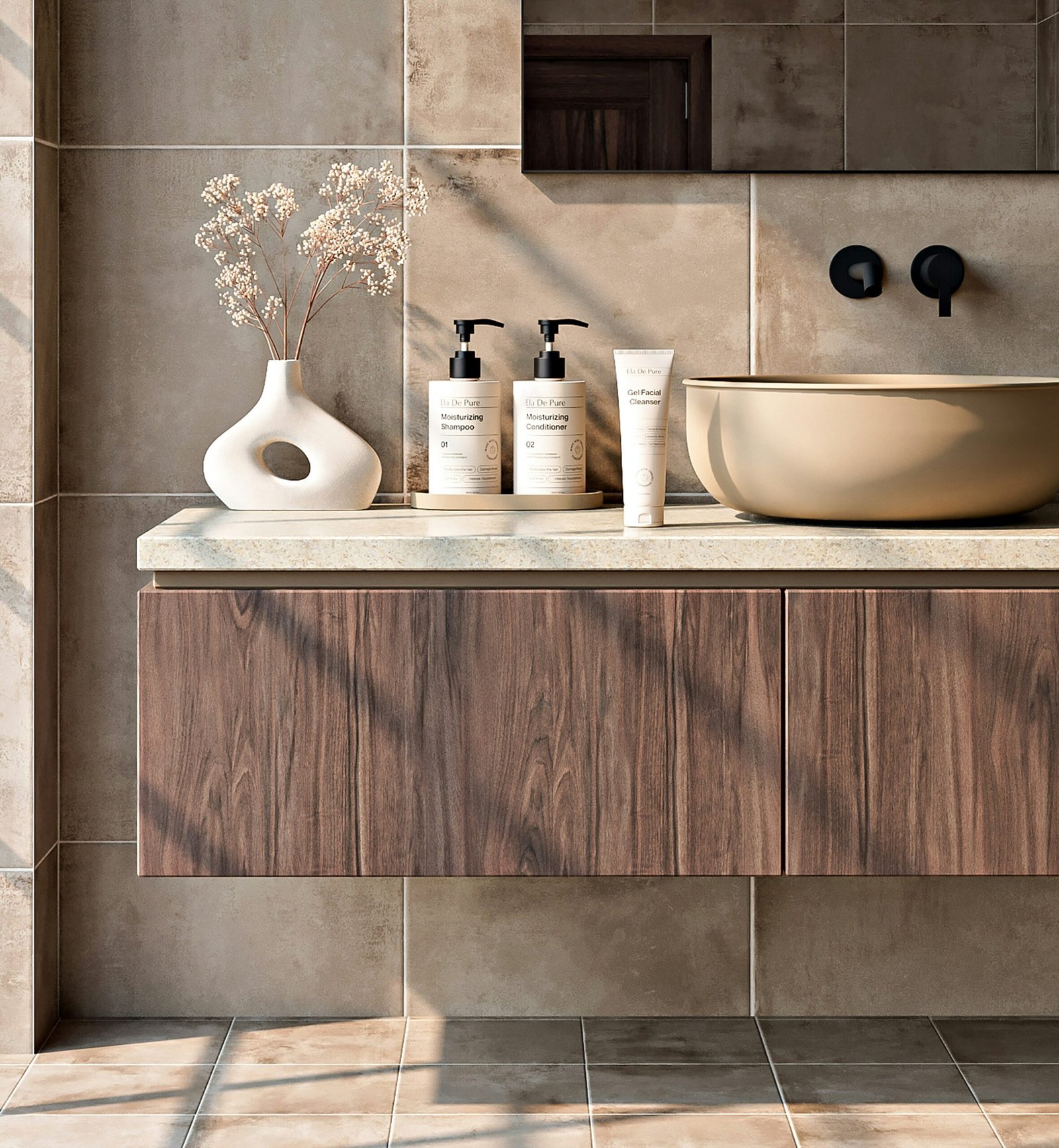
Somewhere between answering one last email, reheating coffee for the third time, and wondering why your shoulders live permanently near your ears, at home spa night essentials start to feel less like a luxury and more like a lifeline.
The idea of a “spa night” sounds a little… fictional.
Candles? Sure.
Face mask? Maybe.
Actual relaxation? We’ll see.
For a lot of busy women, rest feels like something we plan for but rarely arrive at. You finally carve out the time, light the candle, sit down—and your brain immediately starts replaying tomorrow’s to-do list like a greatest hits album.
And to make matters worse, a lot of wellness advice quietly turns self-care into another job. More steps. More products. More rules. More pressure to look refreshed instead of actually feeling rested.
That’s not the vibe here.
This is about creating an at-home spa night that works in real life. One that fits into an ordinary evening, lowers the volume on your nervous system, and feels supportive instead of performative.
Think cozy. Intentional. Science-backed comfort.
With zero guilt if you fall asleep halfway through.
What a Spa Night Is Actually For
Before we talk candles, playlists, or skincare routines, let’s reset expectations.
A spa night isn’t about fixing yourself.
It’s about signaling safety to your nervous system.
Most of us live in low-grade survival mode. Not because something terrible is happening—but because everything is happening. Notifications. Decisions. Responsibilities. Noise. Screens. That constant pressure to keep it together.
When your body senses ongoing demand, it stays braced. Shoulders tense. Jaw clenches. Breathing gets shallow. Your brain starts catastrophizing things like unread emails.
When your body feels safe, it finally loosens its grip. Cortisol drops. Muscles soften. Breathing slows. Your mind stops running worst-case scenarios like it’s being paid overtime.
That’s the real win.
The goal isn’t transformation.
The goal is regulation.
Which is why fewer, well-chosen tools beat a complicated routine done resentfully. Comfort matters more than aesthetics. And you never have to earn rest by being productive first.
You’re allowed to feel good because you’re human. Full stop.
This Might Actually Help
- Candles – create a calming atmosphere that helps reduce stress and promote relaxation → See Price on Amazon
- Bathrobe – provides comfort and warmth, making it perfect for relaxing at home or after a bath → See Price on Amazon
- Face masks – cleanse and nourish the skin, leaving it refreshed and glowing → See Price on Amazon
- Gel cleanser – gently removes dirt and excess oil, leaving skin clean and refreshed without dryness → See Price on Amazon
- Body Lotion – hydrates and softens the skin, helping keep it smooth and moisturized → See Price on Amazon
- Herbal Teas – promote relaxation and wellness, helping to soothe the body and mind→ See Price on Amazon
At-Home Spa Night Essentials Checklist
If decision fatigue is already creeping in, this is your shortcut. You don’t need everything on this list—just enough to help your body feel safe, warm, and unhurried.
Think of these as supports, not requirements.
- Candles or soft lighting
Warm, gentle light that signals “it’s okay to slow down.” - A robe, blanket, or cozy layers
Anything soft that helps your body relax instead of brace. - Bath or shower essentials
Epsom salts, a gentle body wash, or simply warm water and a few quiet minutes. - Simple skincare
A mild cleanser, one mask or moisturizer—no complicated routines required. - Body lotion or oil
Something you enjoy touching your skin with, especially for hands, legs, and feet. - Herbal tea or warm drink
Chamomile, peppermint, rooibos, or plain hot water—warmth matters more than flavor. - Calming background sound
Instrumental music, nature sounds, or low ambient noise—nothing that demands attention.
That’s it.
No bonus points for excess. No pressure to “do it right.”
Set the Mood Without Turning It Into a Production
You don’t need a Pinterest-perfect setup. You need fewer inputs.
A calming at-home spa environment isn’t about adding more—it’s about removing the things that keep your nervous system on high alert.
Soft Lighting Is One of Those Things Worth Investing In
Lighting has a surprisingly big impact on how relaxed your body feels.
Bright overhead lights keep your brain in “daytime problem-solving” mode. Softer lighting helps cue melatonin and signals that it’s safe to downshift.
When choosing candles or lamps, avoid:
- Harsh white light
- Flickering bulbs that feel chaotic
- Anything so scented it gives you a headache
Look for:
- Warm-toned light
- Unscented or lightly scented candles
- Lamps you can turn on without effort
This is one of those categories where simple, affordable options work beautifully—Amazon actually does this category particularly well.
The rule: softer than usual.
If your space feels less like an office and more like a place you’d curl up in, you nailed it.
Make Your Phone Slightly Inconvenient
You don’t need to banish your phone. Just don’t let it live in your hand.
Putting it across the room gives your brain small breaks from dopamine spikes. Those breaks are where relaxation actually starts.
Avoid:
- Phone face-down next to you “just in case”
- Notifications popping every few minutes
Look for:
- A designated charging spot
- Do Not Disturb mode
- Physical distance, not willpower
Bonus: this dramatically cuts down on the “just checking one thing” spiral that somehow ends with you rereading an email from six months ago.
Warmth Matters More Than Aesthetics
If your space feels even slightly chilly, your body stays alert.
This is not the time for aesthetic minimalism.
Socks. A blanket. A bathrobe. Turn the heat up for an hour.
When choosing cozy layers, avoid anything itchy, tight, or overly structured. Look for soft fabrics that don’t require adjusting.
Your nervous system doesn’t care how cute the setup looks. It cares whether it feels supported.
Start With a Body Reset (Before Skincare)
Jumping straight into hydrating face masks without settling your body is like trying to meditate in the middle of a fire drill.
Before you touch a single product, give your nervous system a chance to land.
The Fastest Way to Calm Your Nervous System
This breathing pattern works because it physically shifts your body out of stress mode:
- Inhale through your nose for 4 seconds
- Exhale slowly through your mouth for 6 seconds
- Repeat 5–7 times
Longer exhales activate your parasympathetic nervous system—your “rest and digest” mode.
This isn’t woo. It’s physiology.
You’ll likely notice your shoulders drop, your jaw soften, and your breath deepen without forcing it.
Now you’re ready.
The Shower or Bath: Make It Therapeutic, Not Rushed
Water is one of the most accessible regulation tools we have—yet most of us treat showers like pit stops.
This is where slowing down actually matters.
If You’re a Bath Person: Keep It Simple and Supportive
Warm baths can help lower cortisol and relax tight muscles. Adding Epsom salt can feel especially soothing.
When choosing bath products, avoid:
- Overpowering fragrances
- Products that foam aggressively but dry your skin
Look for:
- Minimal ingredient lists
- Unscented or lightly scented salts
- Simple scoops, not elaborate rituals
Keep it basic:
- Warm, not scalding
- 15–25 minutes
- No multitasking
This is not the moment for productivity podcasts or planning tomorrow in your head.
If You’re a Shower Person: Turn It Into a Sensory Reset
You don’t need a bathtub to benefit.
Let warm water hit your upper back and neck—areas that quietly carry stress all day like a backpack you forgot you were wearing.
Close your eyes. Take three slow breaths. Let your shoulders soften.
Even five intentional minutes count.
Skincare That Feels Good (Not Complicated)
This is where spa nights often go off the rails.
Too many products. Too many steps. Suddenly you’re standing there wondering if you’re doing it wrong.
You’re not.
A Gentle Cleanser Is Worth Investing In
Cleansing slowly does more than clean your skin—it provides calming, grounding touch.
Look for a creamy or gel cleanser with fragrance-free or lightly scented. Avoid stripping and squeaky clean formulas.
Spend a full minute massaging it in. This is about presence, not perfection.
One Mask Is Enough (Really)
You don’t need to layer treatments like a chemistry experiment.
Choose based on what your skin needs right now:
- Dry or tight → hydrating
- Inflamed or stressed → calming
- Just want glow → simple moisture
Set a timer – Sit down. Scrolling while masking does not count as rest.
Finish and Walk Away
Seal everything in with a moisturizer or facial oil you genuinely enjoy using.
Avoid products that feel sticky, overly fragranced, or complicated.
Spa energy is about how you feel—not how closely you inspect yourself afterward.
Don’t Skip Your Body (It’s Been Carrying You All Day)
Facial skincare gets the spotlight, but your body is where stress actually lives.
Body Lotion as Nervous System Care
Applying body lotion slowly can be incredibly grounding.
This is one of those items worth investing in—because if you hate how it feels, you won’t use it.
Avoid:
- Heavy greasiness
- Strong artificial scents
Look for:
- Quick-absorbing formulas
- Simple ingredients
- A scent (or lack of one) you find comforting
Focus on calves, feet, forearms, and hands. Warm the lotion first. Take your time.
Foot Care Is Quietly Powerful
You don’t need a full pedicure.
Five minutes is enough.
Massage your arches. Stretch your toes. Thank them for carrying you all day.
It sounds silly. It works anyway.
Sound Matters More Than Silence
Total silence can feel uncomfortable if your nervous system is already overstimulated.
Gentle sound helps your body relax without demanding attention.
When choosing sound support, avoid:
- Lyrics that trigger emotional analysis
- Anything too loud or dynamic
Look for:
- Instrumental playlists
- Nature sounds
- Low-volume ambient audio
This is background support, not entertainment.
Sip Something Warm and Supportive
Warm drinks add another layer of regulation. Heat signals safety.
When choosing spa-night beverages, avoid caffeine and sugar spikes.
Good options include:
- Herbal teas (chamomile, peppermint, rooibos)
- Warm milk or dairy-free alternatives
- Hot water with lemon or ginger
Hold the mug. Smell the steam. Drink slowly.
This isn’t background hydration—it’s part of the ritual.
The Post-Spa Transition (Where It Usually Falls Apart)
You can’t go straight from spa mode back into chaos without undoing the benefits.
This is where many spa nights lose their magic.
Create a Soft Landing Ritual
Choose one low-stimulation activity:
- Reading a few pages
- Gentle stretching
- Writing a single journal page
- Lying down and doing nothing
Avoid screens if you can—especially work-related ones.
Your nervous system needs time to integrate the calm.
How Often Is “Enough”?
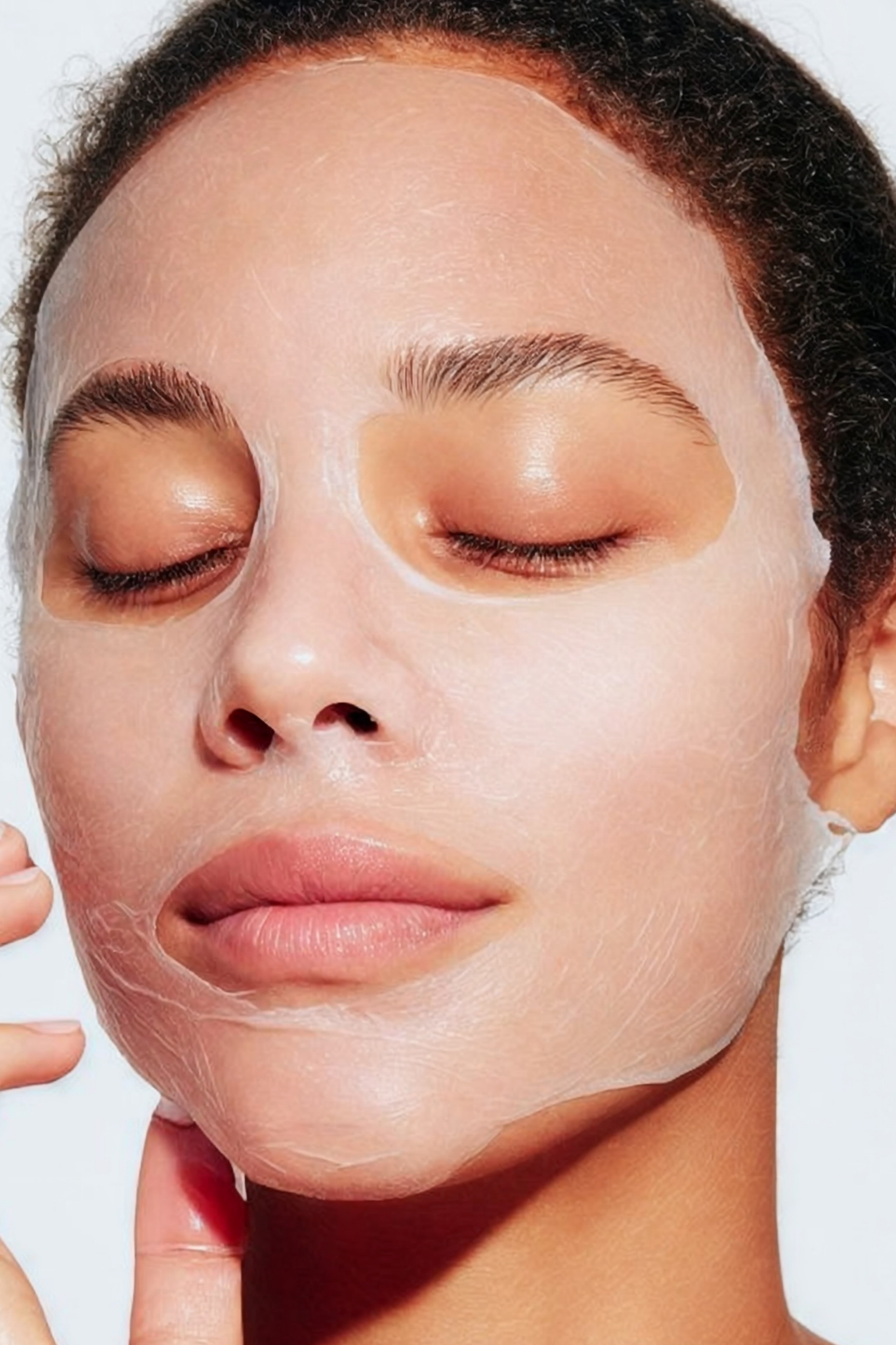
You don’t need weekly three-hour spa nights – Consistency beats intensity.
Even one intentional evening every couple of weeks can improve sleep, mood, and stress levels.
Mini rituals count:
- A 10-minute lotion routine
- A slower shower
- A cup of tea with dim lights
Care doesn’t have to be all-or-nothing to work.
Let Go of the “Perfect Spa Night” Myth
Some nights you’ll float into bed feeling like a serene woodland creature.
Other nights you’ll get halfway through and realize you’re tired, bored, or ready to sleep. Both are wins.
The point isn’t to perform relaxation.
It’s to give your body permission to soften.
If you fall asleep with a face mask on, congratulations. That’s rest.
The Real Takeaway
An at-home spa night isn’t about pampering for the sake of pampering.
It’s about reminding your nervous system that it’s allowed to stand down.
That you’re safe.
That you’re cared for.
That rest doesn’t have to be earned.
Start small. Keep it simple. Choose what feels good instead of what looks impressive.
That’s where the magic actually lives.
You May Also Enjoy
- Wellness Finds Worth Repurchasing
- Calm Evening Routine Essentials
- Stress-Reducing Products for Daily Life
- Everyday Wellness Products I Actually Use
Frequently Asked Questions
How long should an at-home spa night actually take?
There’s no ideal length. A spa night can be 20 minutes or a full evening—whatever feels supportive instead of stressful. Even a short, intentional routine can help your nervous system settle. If you fall asleep halfway through, that counts.
How often should I do a spa night like this?
As often as it feels helpful. Some people enjoy a longer ritual once a month; others prefer small, frequent moments of care.
Do I need special products to get the benefits?
No. You don’t need expensive or spa-specific products. Warm water, soft lighting, something cozy, and one or two items you already enjoy are enough.
Ready to Make This a Regular Thing?
Before you close this and move on with your day, take a second to notice how your body feels right now. Not to judge it. Just to check in. Are your shoulders still up near your ears? Is your jaw clenched? Or did something soften—even a little?
That’s the part that matters.
Real care doesn’t have to be dramatic or perfectly timed. It works best when it’s small, repeatable, and kind. When it fits into your life instead of asking you to rearrange everything around it.
So if a full spa night feels like too much, that’s okay. Choose one thing. One softer light. One slower shower. One moment where you let yourself stop performing and just exist.
If this resonated, save it for a night when your nervous system is asking for a break. Or try one small change this week and see how it feels in your body. And if you feel like sharing, leave a comment with the ritual that sounds most doable for you.

