



This post may contain affiliate links. If you purchase through these links, we may earn a small commission at no additional cost to you. As an Amazon Associate we earn from qualifying purchases.
Some mornings feel like a soft launch. Others feel like a full-blown fire drill.
Morning routine products don’t usually get credit for how much emotional damage they prevent before 9 a.m.
You wake up already behind. Your alarm went off, but your brain did not. The coffee you were excited about is now cold. You’re standing in the kitchen staring at nothing, somehow annoyed before you’ve spoken to a single human being.
It’s not that you’re bad at mornings. It’s not that you lack discipline. It’s not that everyone else has cracked some secret code.
It’s those mornings quietly set the tone for everything that comes after—and most of us are starting them on hard mode.
Here’s the thing most productivity advice skips right over: You don’t need a perfect routine.
You need fewer friction points.
The right morning products don’t turn you into a 5 a.m. wellness influencer with a color-coded schedule and a matcha whisk collection. They make mornings feel less chaotic, more supported, and more realistic on real-life timelines.
These are the quiet heroes. The background players. The things that make you feel like you have your life together—without trying to overhaul your personality before sunrise.
•••• Hear Me Out … These Work
⭐ Coffee Maker – offering the convenience of fresh, customized coffee at home → Check price on Amazon
⭐ Water Bottle – promotes consistent hydration, improving energy, cognitive function, and skin health → Check price on Amazon
⭐ Light-Based Alarm Clock – simulates a natural dawn by gradually increasing light before your wake-up time → Check price on Amazon
⭐ Moisturizer → Check price on Amazon
⭐ Speaker → Check price on Amazon
Why Mornings Feel Hard (And Why the Right Products Help)
Mornings are when your nervous system is still booting up. Your body is shifting from rest to alertness, your brain is warming up slowly, and your tolerance for inconvenience is at an all-time low.
Decision-making is weakest in the morning.
Stress hormones spike quickly if you feel rushed.
Small annoyances feel disproportionately big.
That’s why willpower is a terrible morning strategy.
Products help because they reduce decisions, save energy, and support your body before stress takes over. They create structure without asking for motivation.
Think of them as scaffolding, not solutions.
They don’t replace habits—but they make habits easier to keep.
The goal isn’t optimization. It’s ease.
Morning Routine Products That Change Your Day
The Wake-Up Upgrade: Sunrise Alarm Clocks and Smart Lights
Think of this as your gentle, glow-up morning bestie. A light-based alarm clock slowly fills your room with soft light—like a mini sunrise—so you wake up naturally instead of being jolted awake by chaos.
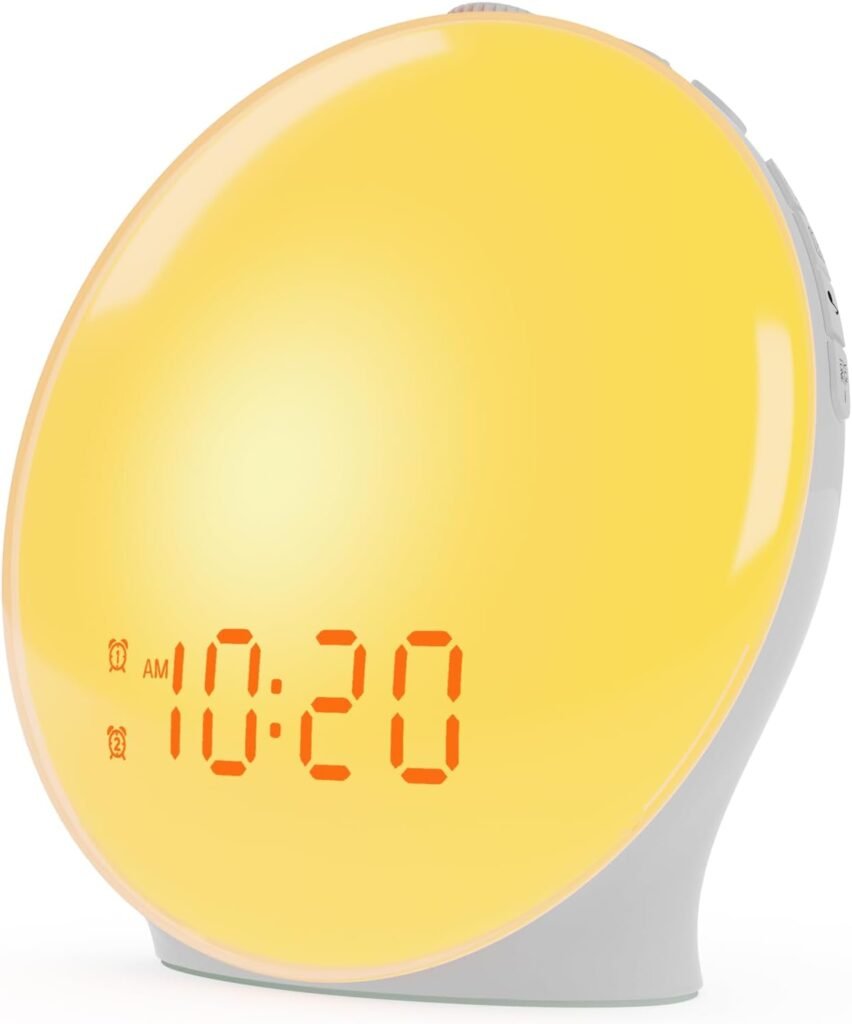
- You wake up feeling human again—not attacked by your alarm. It’s softer, calmer, and honestly just a better vibe
- A gradual light that builds over time (plus optional chill sounds) so your body eases into the day
- Feels way less aggressive than a blaring alarm
- If you hate loud alarms with a passion this is good for you
What to look for:
Adjustable brightness, warm light tones, gradual fade-in settings.
What to avoid:
Overly bright blue light or alarms that jump straight to full intensity.
Waking up to a blaring alarm is like starting your day with a jump scare. Your nervous system goes from zero to panic in half a second—and then we wonder why mornings feel tense.
A sunrise alarm clock works differently. It gradually brightens your room over 20–30 minutes, mimicking natural daylight so your body wakes up before the sound ever starts.
What people actually notice:
- Less grogginess
- Fewer snooze-button battles
- A calmer, more natural wake-up
This is one of those items worth investing in if mornings consistently feel harsh. Light is one of the strongest signals for your circadian rhythm, helping regulate cortisol and melatonin without effort.
If a dedicated clock feels like too much, smart light bulbs can do a similar job. Amazon does this category particularly well—especially for bulbs that can be scheduled through an app.
Real-life takeaway:
If mornings feel aggressive, soften the light before you try to fix the routine.
Hydration Without the Mental Math
Large Water Bottles That Make Morning Hydration Automatic
Your hydration accountability partner in bottle form. Large water bottles make it easy to sip consistently all day without constantly refilling—because we’re not trying to play games with our water intake.

- Helps you stay hydrated all day with less effort (and fewer refills)
- Extra-large capacity (think 32oz–1 gallon) with easy-carry designs
- Lowkey motivates you to drink more water
- Good for gym girls, busy days, long commutes
What to look for:
Wide mouth, easy-to-clean design, comfortable grip.
What to avoid:
Tiny bottles that require constant refilling or complicated lids you don’t want to deal with half-awake
Everyone says “drink water first thing.”
Almost no one explains how annoying it is to remember.
The fix isn’t motivation. It’s placement.
A large, easy-to-grab water bottle that lives by your bed or coffee maker removes the thinking entirely. When it’s right there, you drink it. When it’s not, you don’t.
Morning hydration supports:
- Clearer thinking
- More stable energy
- Better digestion
- Fewer unexplained headaches
This is one of those boring-but-life-improving purchases. You don’t need fancy. You need convenient.
Electrolyte powders can be helpful if you wake up dehydrated, drink coffee early, or exercise in the morning—but skip anything marketed as a “detox.”
Real-life takeaway:
If it’s not visible and convenient, it doesn’t exist at 7 a.m.
Coffee Setup Upgrades That Reduce Morning Stress
Supportive Coffee Tools for Busy Mornings
Your morning routine, upgraded. A good coffee maker brings café energy straight to your kitchen—so you can have your perfect cup without leaving the house (or changing out of pajamas).
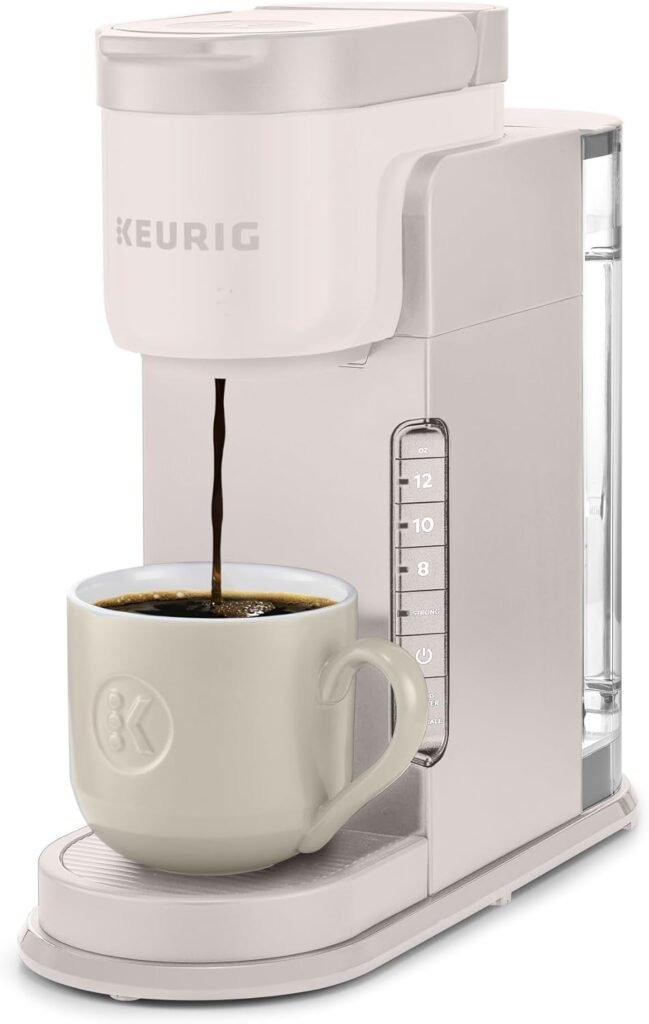
- Fresh, hot coffee exactly how you like it—without the daily coffee shop run
- One-touch brewing with customizable strength, size, or style depending on your vibe
- Makes mornings feel a little more put together
- For coffee lovers who need their cup ASAP
What to look for:
Simple controls, minimal cleanup, reliability.
What to avoid:
Overly complicated machines that require troubleshooting before caffeine.
Coffee isn’t the enemy. Chaos is.
If coffee is already part of your morning, small upgrades can dramatically change how the rest of your day feels.
Helpful tools include:
- A coffee maker with a timer
- A simple milk frother
- A mug that feels comforting in your hands
This is one of those areas where Amazon shines—you can find affordable tools that quietly improve your daily routine without turning coffee into a project.
Pairing coffee with food—even something small—helps prevent jitters and crashes by slowing caffeine absorption.
Real-life takeaway:
Your morning coffee should feel comforting, not like a physiological gamble.
Minimal Morning Skincare That Feels Refreshing
Lightweight SPF Moisturizer for Daily Protection
Your skincare routine’s overachiever. A moisturizer with SPF hydrates your skin and protects it from sun damage in one easy step—because we love a multitasking queen.
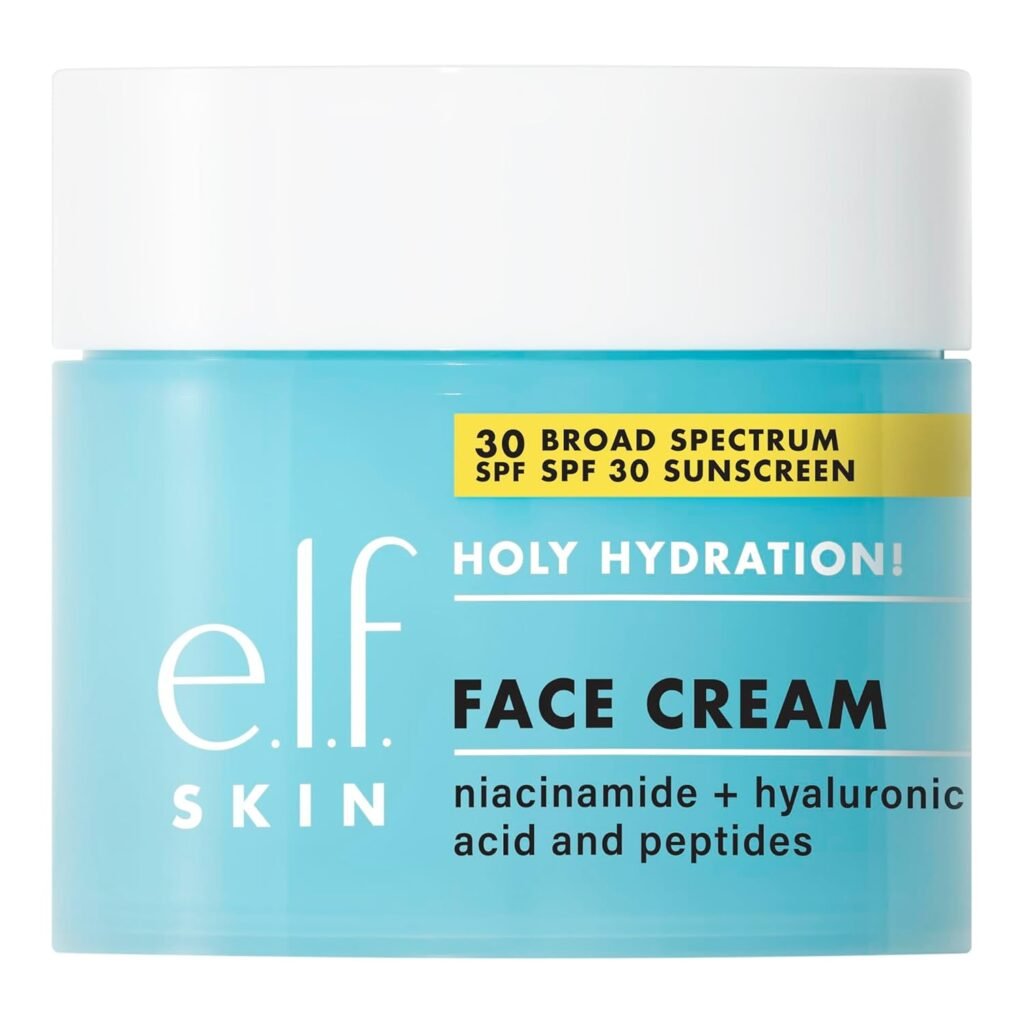
- Keeps your skin hydrated while protecting it from UV damage
- Built-in broad-spectrum SPF combined with nourishing ingredients like hyaluronic acid or niacinamide
- Two steps in one = less effort, same glow
- For people who want skincare that actually does something
What to look for:
- SPF 30 or higher (daily non-negotiable)
- Broad-spectrum protection (covers both UVA + UVB)
- Lightweight, non-greasy formula (so it actually feels good on your skin)
- Ingredients that match your skin type (hydrating, oil-control, calming, etc.)
- Layers well under makeup (no pilling or weird texture)
- Fragrance-free if you’re sensitive
- No white cast (especially important for deeper skin tones)
Morning skincare is not the time for ambition. It’s the time for efficiency.
You don’t need a 10-step routine before breakfast. You need to feel clean, awake, and presentable in under three minutes.
A solid morning setup usually includes:
- A gentle cleanser or splash-and-go rinse
- One optional treatment product
- A moisturizer with SPF
Cooling textures and lightweight formulas provide a subtle sensory cue that helps your brain shift into daytime mode.
Look for lightweight textures, no strong fragrance, multitasking products. Avoid heavy actives or routines that require too many steps.
Real-life takeaway:
If skincare feels like a chore, you’re doing too much for the morning version of you.
Sound That Regulates Your Nervous System
Morning Speakers and Headphones That Set the Tone
The vibe curator you didn’t know you needed. A good portable speaker brings your space to life—whether it’s chill mornings, cleaning playlists, or hosting energy.
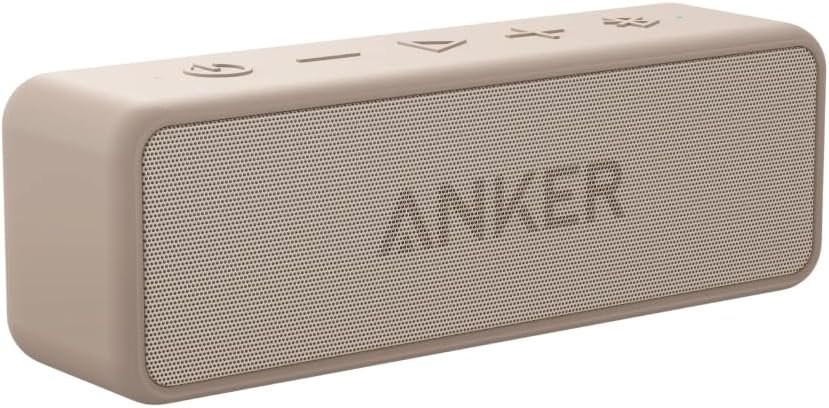
- Instantly upgrades your mood with clear, powerful sound wherever you are
- Portable, wireless design with Bluetooth connectivity and long battery life
- Makes everything feel more fun (yes, even chores)
- For hosting, getting ready, or solo vibe sessions
What to look for:
Easy connectivity, good sound at low volume.
Silence in the morning can feel peaceful—or deeply unsettling. For many people, intentional sound makes mornings feel smoother and less abrupt.
Morning-friendly options include:
- Calm playlists
- Familiar podcasts
- White noise or nature sounds
What to avoid:
Harsh alarm-style audio or anything that feels jarring.
Real-life takeaway:
Your nervous system notices tone before tasks.
Consistency matters more than content. Familiar audio tells your nervous system that the environment is safe and predictable.
Five-Minute Movement Tools That Actually Get Used
Yoga Mats and Stretch Tools for Morning Mobility
Your soft landing for everything from workouts to wind-down stretches. A good yoga mat gives you comfort, grip, and just enough motivation to actually get on the floor.
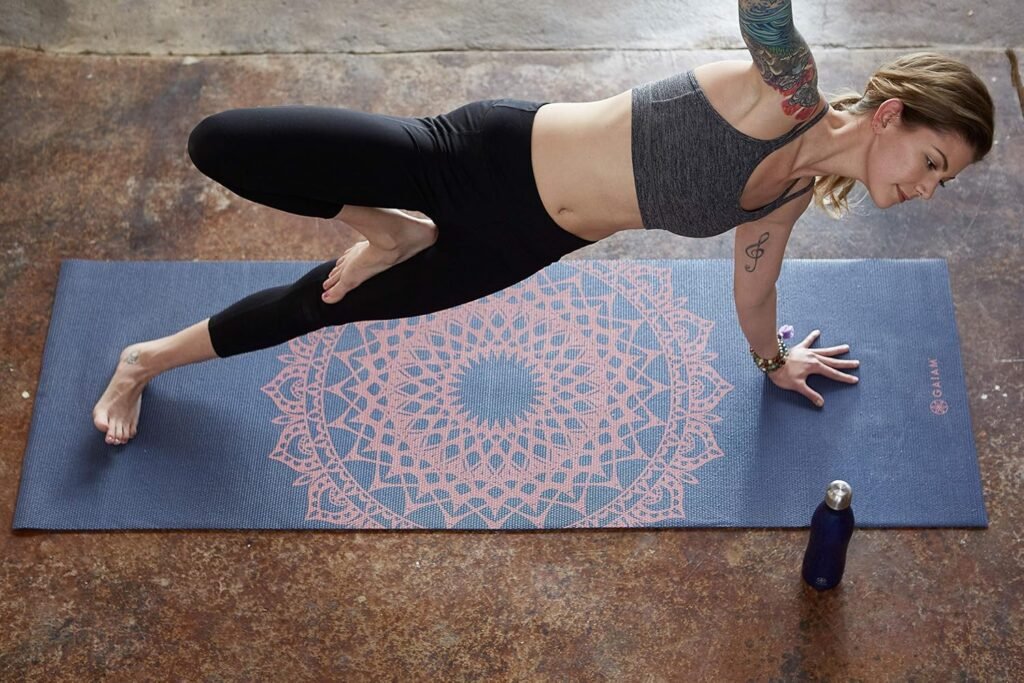
- Provides cushioning and stability so you can move, stretch, and flow without slipping
- Non-slip surface with supportive padding for comfort and control
- Makes workouts feel more comfortable
- For Yoga, Pilates, stretching, or at-home workouts
What to look for:
Non-slip surface, easy storage, comfort.
You don’t need a workout plan in the morning.
You need circulation.
A yoga mat left out—or a simple stretch strap—removes the internal negotiation. Five minutes of gentle movement helps wake your joints, improve mood, and increase focus.
This is one of those categories where buying the “perfect” option matters less than buying something you’ll actually use.
What to avoid:
Anything bulky that feels like effort to set up.
Real-life takeaway:
Movement sticks when it’s visible and non-negotiable—but gentle.
No-Drama Breakfast Products for Busy Mornings
Easy Breakfast Options That Prevent Energy Crashes
Skipping breakfast works for some people.
Feeling shaky and irritable by mid-morning works for no one.
Keeping one reliable breakfast option on hand removes decision fatigue:
- Protein smoothies
- Yogurt with nuts or seeds
- Protein bars with simple ingredients
This is about stability, not perfection.
What to look for:
Protein-forward options with minimal added sugar.
What to avoid:
Breakfasts that spike energy and disappear an hour later.
Real-life takeaway:
Fed people cope better. It’s science, not a personality flaw.
Simple Planning Tools That Don’t Overwhelm You
Daily Planners and Notes Apps That Keep You Focused
Your life, but organized and slightly more put together. A daily planner helps you map out your days, track your goals, and keep everything in one place—so your brain doesn’t have to.
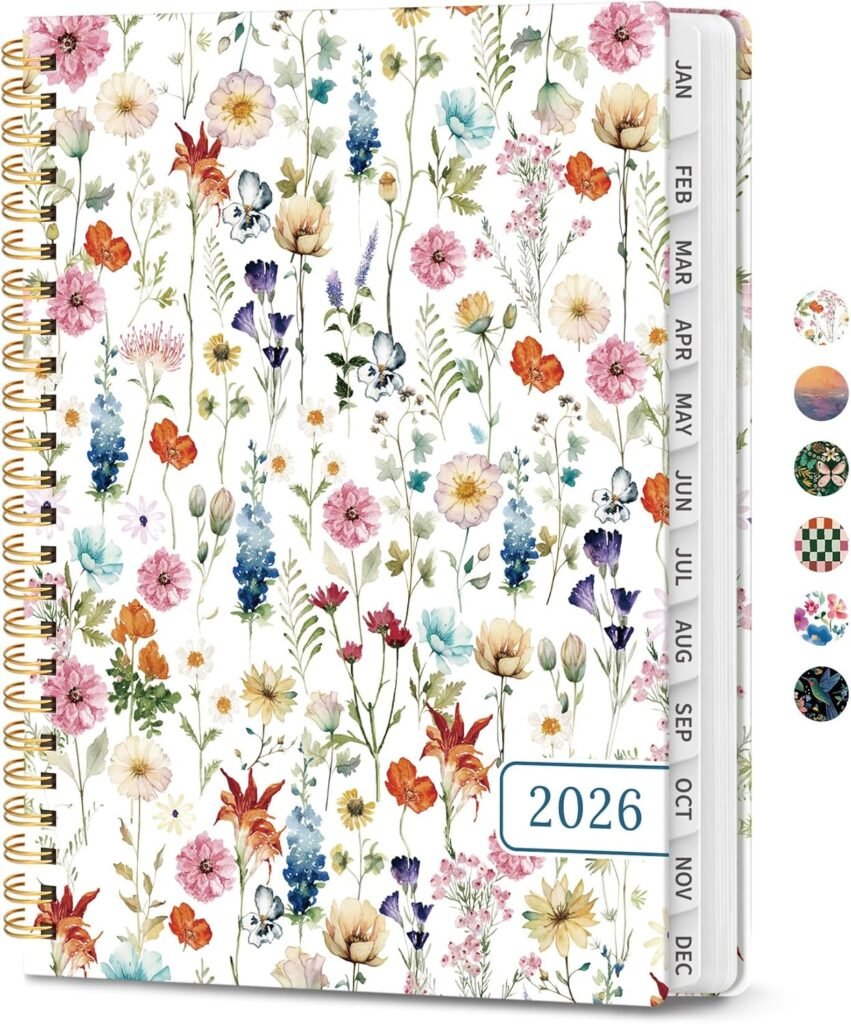
- Keeps your schedule, tasks, and priorities organized so you feel less overwhelmed
- Structured daily layouts with space for to-do lists, appointments, and notes
- Helps you stay on top of everything without mental chaos
- For busy schedules, work, school, side hustles
What to look for:
- Layout style (daily vs. weekly vs. hourly—know your flow)
- Enough writing space for your actual life
- Durable cover (it’s going everywhere with you)
- Size that fits your bag or desk setup
- Extras like goal tracking, habit trackers, or notes pages
- A design you actually want to use (because that matters)
Morning planning should clarify your day, not turn into a productivity performance.
A simple structure works best:
- One non-negotiable priority
- Two or three optional tasks
Physical planners slow your thinking. Digital notes work if they’re friction-free.
Look for minimal layout, plenty of white space. And avoid, overly structured planners that demand constant upkeep.
Real-life takeaway:
Clarity beats complexity every time.
Scent Products That Shift Your Mood Fast
Candles, Oils, and Sprays for Morning Calm or Focus
The quickest way to shift your whole mood. A scented candle adds warmth, cozy lighting, and a signature scent that makes your space feel calm, inviting, and a little more you.
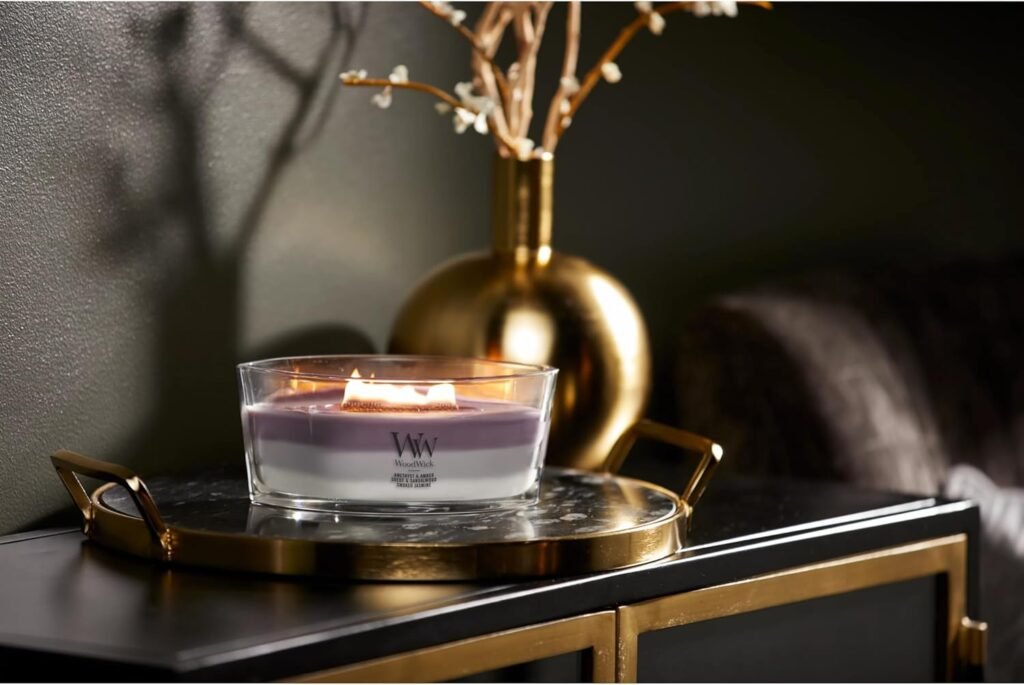
- Instantly creates a relaxing, cozy atmosphere while making your space smell amazing
- Fragrance-infused wax that releases scent evenly as it burns
- Smell = mood, and this is a whole mood reset
- For self-care routines, baths, wind-down nights
What to look for:
Subtle scents, clean ingredient lists.
Scent bypasses logic and goes straight to your brain. Used intentionally, it can quickly shift your emotional state.
Morning-friendly scents:
- Citrus for alertness
- Lavender or sandalwood for calm
- Peppermint for focus
What to avoid:
Overpowering fragrances that feel like a headache waiting to happen.
Real-life takeaway:
Your body responds faster to scent than to self-talk.
Default Outfit Systems That Save Mental Energy
Clothing Basics That Simplify Mornings
The ultimate closet staple. A white basic tee is that effortless piece you can throw on with literally anything—and somehow always look put together.

- Goes with everything, making getting dressed way easier
- Simple, clean design with a comfortable fit you can style up or down
- Always looks fresh, clean, and classic
- For people who love that effortless, model-off-duty vibe
What to look for:
Versatile staples, forgiving fits.
Decision fatigue starts earlier than we think. A small rotation of go-to outfits reduces stress before your day even begins.
Focus on pieces that:
- Feel comfortable
- Fit your body right now
- Work for most of your day
What to avoid:
“Motivational” clothes that don’t match your current life.
Real-life takeaway:
Confidence in the morning is often just fewer decisions.
The Overlooked Product: Your Phone Settings
Morning Digital Boundaries That Protect Your Energy
Your phone is a product—and it might be the loudest one in your morning.
Simple tweaks:
- Delay notifications
- Remove social apps from your home screen
- Choose a calm alarm sound
You don’t need the world’s input before you’ve had water.
Real-life takeaway:
Protect your attention like it’s energy—because it is.
How to Build a Morning Routine That Actually Sticks

The best morning routine is modular.
You don’t need to do everything every day. You need options that support different kinds of mornings.
Low-energy morning:
- Light
- Water
- Coffee
- Get dressed
Good-energy morning:
- Light
- Movement
- Breakfast
- Planning
Hard morning:
- Light
- Water
- Sound
- Grace
Products work best when they meet you where you are—not where you think you should be.
What to Remember Before You Buy Anything Else
You don’t need more discipline.
You don’t need a stricter routine.
You don’t need to fix yourself.
You need systems that make mornings kinder.
Start with one product that removes friction. Let it earn its place. Build from there.
Mornings don’t have to be magical to be meaningful. They just need to feel a little more supportive than yesterday.
You May Also Enjoy
- Relaxation Finds for Stressful Weeks
- Everyday Wellness Products I Actually Use
- Gentle Fitness Tools for At-Home Movement
- Weight Loss Tools That Support Healthy Habits
Frequently Asked Questions
What if I’m not a “morning person” at all?
That’s exactly who this is for. This isn’t about becoming energetic at dawn—it’s about making mornings less punishing. You don’t need to love mornings; you just need them to stop draining you before the day starts.
Do I need to change my entire morning routine for these products to work?
No. These products are meant to reduce friction, not create a whole new routine. Even one small change—like softer wake-up lighting or easier hydration—can noticeably improve how your morning feels.
Are expensive products necessary to see a difference?
Not at all. Convenience and consistency matter more than price. A well-placed water bottle or a simple planner often does more than a premium gadget you forget to use.
A Gentle Nudge Forward

Before you change a single thing, take a quick look at your mornings as they are.
Not with judgment. More like… curiosity. Where does the friction start? Is it the moment you wake up? The scramble to find your keys? The part where you realize you’re running on coffee and vibes until noon?
You don’t need to “fix” your whole morning to feel better. Most of the time, the biggest shift comes from removing one small obstacle. One tiny upgrade that says, “Hey, I’ve got you,” before the day starts making demands.
So if mornings feel like a daily uphill climb, start small. Choose one change that makes tomorrow easier—not impressive. Let it be simple enough that you’ll actually do it on a tired Wednesday, not just on a high-motivation Monday.
If you want to make a move right now, pick one: save these ideas for your next reset, try one small tweak tomorrow, or drop a comment with the morning moment that trips you up most. There’s a good chance you’re not the only one.

