



This post may contain affiliate links. If you purchase through these links, we may earn a small commission at no additional cost to you. As an Amazon Associate we earn from qualifying purchases.
You don’t need another color-coded routine, a $300 supplement stack, or a version of yourself who wakes up at 5 a.m. feeling refreshed and spiritually aligned with the sunrise.
You need habits that fit into your actual life.
The one with unread texts you swear you’ll respond to later.
The half-drunk coffee was reheated twice.
The meetings that could’ve been emails.
The mysterious exhaustion that shows up even when you technically slept.
Wellness doesn’t fail because you’re lazy or unmotivated.
It fails because most advice is built for an imaginary woman with endless time, a quiet house, and zero stress hormones.
This is for the rest of us.
The women who want steadier energy, a clearer head, and fewer “why am I like this?” moments—without turning life into a full-time self-improvement project.
These are simple wellness habits that actually stick.
Not because they’re trendy.
Because they’re realistic.
• • Okay, But These Help
- Lamp – provides focused lighting to reduce eye strain and improve comfort CHECK PRICE ON AMAZON
- Water bottle – keeps you hydrated throughout the day CHECK PRICE ON AMAZON
- Yoga mat – non-slip surface for safe and effective workouts CHECK PRICE ON AMAZON
- Notebook journal – helps you capture thoughts, track goals, and reflect CHECK PRICE ON AMAZON
Why Most Wellness Advice Doesn’t Stick (And Why That’s Not Your Fault)
A lot of “healthy habits” are designed with an all-or-nothing mindset.
- Drink a gallon of water
- Cook every meal at home.
- Meditate for 30 minutes daily.
- Work out five times a week.
- Never touch sugar again.
Miss one day, and suddenly the whole thing feels ruined.
That’s not motivation. That’s pressure.
And pressure is the fastest way to make your nervous system quietly rebel.
Habits stick when they:
- Require minimal decision-making
- Fit into routines you already have
- Deliver noticeable benefits fairly
- Don’t demand perfection
Think less “new personality” and more “tiny upgrade.”
If a habit requires heroic willpower every single day, it’s probably not meant to last.
Simple Wellness Habits That Actually Stick
Better Sleep (But Make It Gentle)
Sleep advice can feel patronizing fast.
“Just go to bed earlier” is not helpful when your brain turns into a podcast network at 10:30 p.m., replaying conversations from 2016 and drafting emails you’ll never send.
Instead of obsessing over exact hours, focus on consistency and cues.
The Habit: A Soft Wind-Down Anchor
Pick one calming thing you do every night before bed.
Not five things. One.
Examples:
- Washing your face slowly instead of rushing
- Reading two pages of something light
- Stretching for five minutes
- Making a cup of herbal tea
This is one of those areas where small tools can genuinely help—not to optimize your sleep, but to signal safety to your nervous system. Many people find that simple bedroom essentials for better sleep make this routine easier to maintain.
If you use a light source, look for warm, low-glow lighting and avoid harsh overhead bulbs.
If you read, choose something intentionally boring or comforting—not a thriller that hijacks your adrenaline.
The point isn’t becoming a nighttime wellness goddess.
It’s teaching your body, “We’re winding down now.”
Why it sticks:
You’re not overhauling your schedule. You’re adding one calming signal your body learns to recognize.
Morning Wellness That Doesn’t Require Becoming a “Morning Person”
You don’t need a sunrise routine.
You need a transition.
Most mornings feel stressful because we go straight from sleep into stimulation—phones, emails, notifications, noise, urgency.
That spike tells your nervous system, We’re already behind.
The Habit: Delay Input for 10 Minutes
For the first 10 minutes after waking:
- No email
- No social media
- No news
You can still check your phone for the time. This isn’t a monastery.
Use those 10 minutes to:
- Sit on the edge of the bed
- Stretch your neck and shoulders
- Step near a window or outside
- Breathe like a normal human
If mornings feel rushed, even a consistent physical cue—like sitting in the same chair or opening the same window—can help your body ease into the day.
Why it sticks:
Ten minutes feels doable.
And once the morning routine feels less frantic, it’s hard to go back.
Hydration Without the Guilt or the Gallon Jug
Yes, water matters.
No, you don’t need to carry a gallon jug like it’s a personality trait.
Hydration habits fail because they’re vague, easy to forget, and weirdly moralized.
The Habit: Pair Water With Something You Already Do
Instead of “drink more water,” try:
- One glass after brushing your teeth
- One glass while coffee brews
- One glass before lunch
- One glass before dinner
That’s it.
This is one of those categories where having the right water bottle actually helps.
Look for something easy to grab, dishwasher-safe, and not so large it feels intimidating.
Avoid anything that requires tracking, measuring, or mental math before 9 a.m.
Why it sticks:
No reminders. No apps. No guilt spirals.
The Movement Shift That Makes Exercise Sustainable
Movement doesn’t need to look like punishment to be effective.
If exercise feels like a moral obligation, it’s not going to last—no matter how cute the leggings are.
The Habit: Move for Circulation, Not Calories
Ask one question each day:
What kind of movement would help my body feel better right now?
Some days that’s a workout.
Some days it’s a walk.
Some days it’s stretched on the floor with yoga mat like a sleepy cat.
This is where simple, flexible movement tools shine.
Think of items that support short sessions—nothing that demands a full routine or a dedicated room.
When choosing movement gear, avoid anything overly complicated or space-hogging.
Look for versatility and ease of storage.
Why it sticks:
You’re responding to your body instead of fighting it.
Eating Habits That Support Energy (Without Diet Culture)
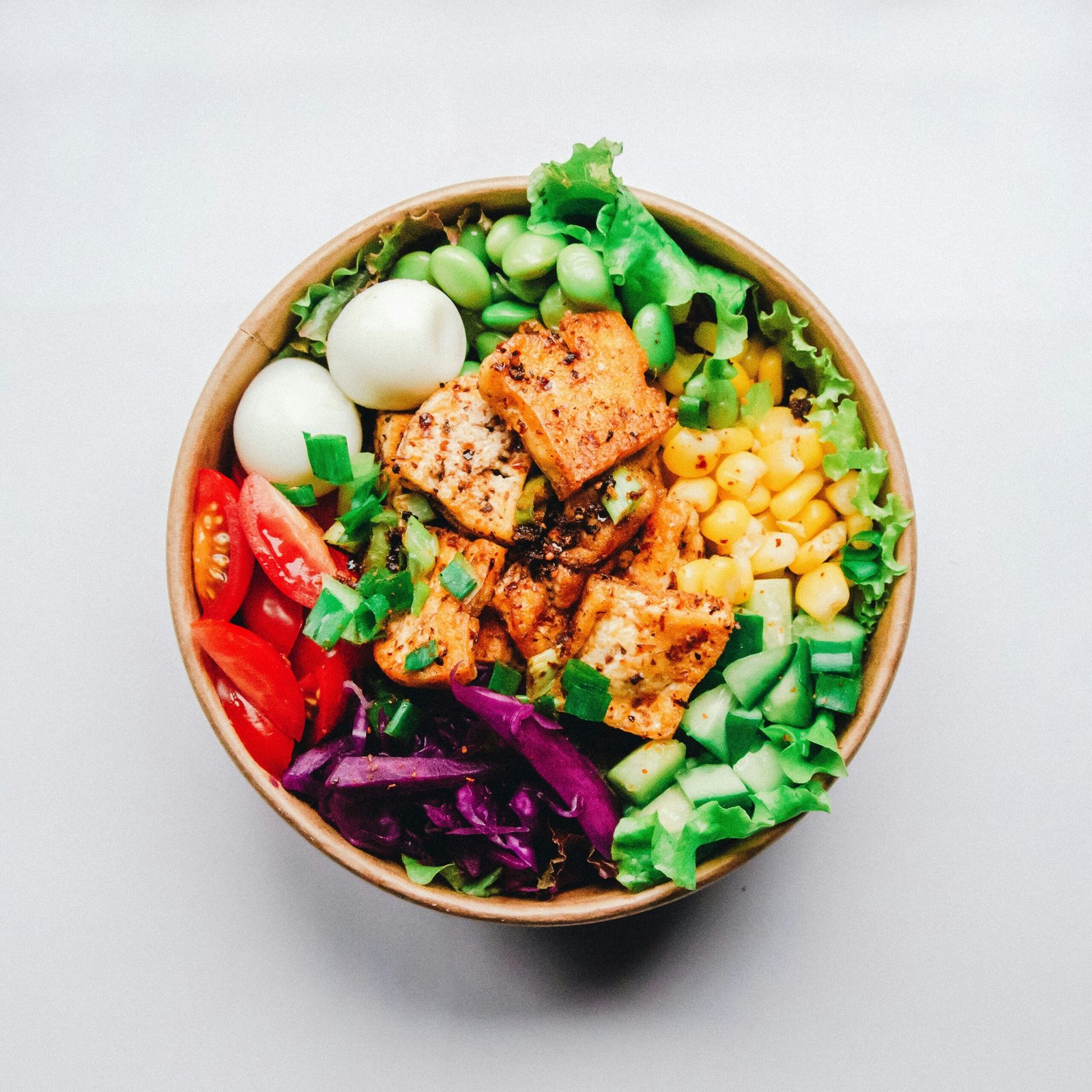
You don’t need another food rule.
You need steadier energy.
Most wellness struggles around food come from under-fueling or chaotic timing—not lack of discipline.
The Habit: Anchor Meals With Protein and Fiber
At most meals, ask:
Where’s the protein? Where’s the fiber?
That might look like:
- Eggs and fruit
- Yogurt with nuts and berries
- Chicken and roasted vegetables
- Beans, grains, and greens
This habit works especially well when your kitchen setup supports it.
Simple prep tools and storage that make real food easier to reach can quietly change how you eat without forcing willpower.
Avoid anything that turns meals into a project.
Look for tools that reduce friction, not add steps.
Why it sticks:
It’s additive, not restrictive. You’re building meals, not shrinking them.
The Underrated Habit: Eating Without Distraction (Sometimes)
Mindful eating doesn’t mean silence and candles.
It means occasionally letting your body notice that it’s being fed.
The Habit: One Screen-Free Meal or Snack a Day
Just one.
No scrolling. No emails. No multitasking.
Eat and notice:
- Taste
- Texture
- Fullness
This can be easier with intentional boundaries, like designated eating spaces or a simple table setup that feels inviting instead of chaotic.
Why it sticks:
One meal feels reasonable. And it often becomes a moment of calm you look forward to.
Stress Management That Actually Works in Real Life
You don’t need to eliminate stress. You need ways to release it. Stress becomes a problem when it stays trapped in the body.
The Habit: A Daily Nervous System Reset (Under 5 Minutes)
Pick one:
- Slow breathing with longer exhales
- Gentle stretching
- A short walk
- Lying on the floor with legs up the wall
This is one of those habits where comfort matters.
Supportive mats, cushions, or quiet-creating tools can make these resets easier to actually do.
Avoid anything that turns stress relief into another task to “get right.”
Why it sticks:
It’s quick. And the relief is immediate.
Mental Wellness Is About Inputs, Not Just Thoughts
If your brain feels fried, it’s often because it’s overloaded.
Constant information—even helpful content—exhausts mental bandwidth.
The Habit: One Daily “No-Input” Pocket
Ten minutes with:
- No phone
- No music
- No podcasts
- No scrolling
Just quiet, a walk, or doing something simple.
Creating physical cues—like a specific chair, notebook journal, or space—can help this habit feel intentional instead of awkward.
Why it sticks:
It feels like relief, not discipline.
Social Wellness Still Counts (Even When You’re Busy)
Humans regulate stress through connection. Busy-life isolation—being around people but not really connecting—adds up.
The Habit: One Low-Stakes Connection a Day
This could be:
- A voice note
- A quick check-in text
- Chatting with a coworker
- Saying yes to a short walk
Connection doesn’t need to be deep every time.
It just needs to be human.
Why it sticks:
It energizes instead of draining.
The Habit That Makes All the Others Stick: Self-Compassion
Consistency comes from kindness, not control.
Beating yourself up for skipping habits makes it harder to restart them.
The Habit: Drop the All-or-Nothing Narrative
Instead of:
“I failed. I’ll start over Monday.”
Try:
“I paused. I’m continuing.”
Progress doesn’t disappear because life happened.
Why it sticks:
You stop quitting on yourself.
How to Build These Habits Without Overwhelm
You don’t need to do everything at once.
Pick:
- One body habit
- One mind habit
Stick with them for two weeks.
When they feel automatic, add another.
Wellness works best when it’s boring in the best way—the kind that quietly supports you without demanding constant attention.
What Feeling Better Actually Looks Like
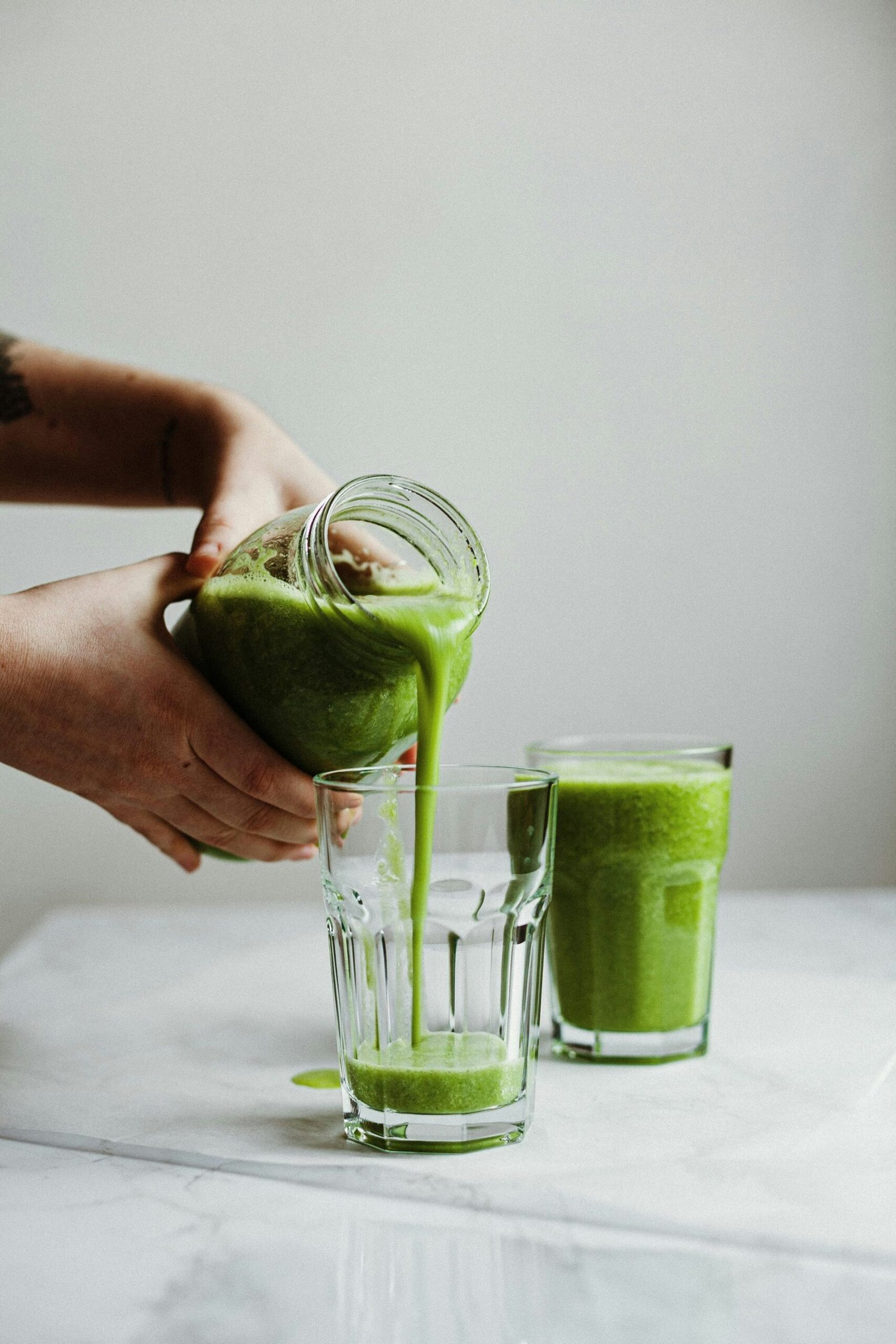
Feeling better doesn’t mean you wake up motivated every day with a perfectly clear head and a green juice in hand.
It looks quieter than that.
There are fewer energy crashes in the afternoon.
Less brain fog when you’re trying to get through your to-do list.
A little more patience on days that would’ve completely wiped you out before.
It’s noticing that your body isn’t fighting you anymore—it’s actually on your side. Working with you instead of against you.
That’s the real goal.
Not optimizing every part of your life.
Not chasing perfection.
Just feeling supported enough to show up, even on the messy days.
You May Also Enjoy
- Self-Care Essentials for Busy Women
- Morning Routine Products That Change Your Day
- At-Home Spa Night Essentials
- Sleep Products That Improve Rest
Frequently Asked Questions
What are simple wellness habits that actually stick?
They are small, realistic routines that fit into daily life without requiring major time, energy, or lifestyle changes.
How long does it take for a wellness habit to become automatic?
Most habits start to feel natural after about 2–4 weeks of consistent practice.
Why do most healthy habits fail?
They often fail because they are too strict, time-consuming, or based on all-or-nothing thinking.
What is the easiest wellness habit to start with?
Sleep anchors, hydration pairing, and 10-minute morning transitions are usually the easiest to maintain.
A Gentle Reminder Before You Go

You’re not behind.
You’re not broken.
You don’t need fixing.
If anything, you might just need a softer plan—habits (and maybe a few helpful tools) that meet you where you are, not where you think you “should” be. That’s really what simple wellness habits that actually stick are all about.
Before you move on with your day, take a quick inventory:
What’s one habit you already do that’s quietly supporting you?
What’s one spot where life feels a little too loud, too fast, too much?
And what’s one small tweak that would make things even 5% easier?
Not a whole reset. Not a new identity. Just one tiny upgrade.
If one idea feels doable, save it for later or try it today—just once. And if you feel like sharing, drop a comment with the habit you’re starting with. Sometimes naming it is the first step to making it stick—and often, that’s how simple wellness habits that actually stick begin.

