


This post may contain affiliate links. If you purchase through these links, we may earn a small commission at no additional cost to you. As an Amazon Associate we earn from qualifying purchases.
Entryway essentials matter more than most people realize.
There’s something quietly powerful about the moment you walk through your front door.
It’s the pause between the outside world and your actual life. Shoes come off. Shoulders drop. The day officially changes tone.
And yet… for many of us, that space is also where backpacks explode, mail multiplies, and random objects go to live forever.
The good news? You don’t need a renovation, a massive budget, or a perfectly styled home to make your entryway work for you. You just need a few thoughtful essentials that turn chaos into calm and make coming home feel like a soft exhale.
Let’s talk about what actually matters—and what makes a real-life first impression, not just a Pinterest one.
Why the Entryway Matters More Than You Think
Your entryway sets the emotional tone of your home.
It’s the first thing you see when you walk in after a long day. It’s what guests clock immediately, whether they realize it or not. And it quietly influences how organized (or overwhelmed) you feel before you’ve even put your keys down.
A good entryway doesn’t say, “Look how stylish I am.”
It says, “You’re safe here. You can relax now.”
That’s the goal.
Entryway Essentials That Every Home Needs
Start With Function (Because Pretty Without Purpose Is a Trap)
Before we get into rugs and baskets, let’s be honest about how you actually live.
Do you:
- Drop everything the second you walk in?
- Juggle bags, kids, coffee, and keys?
- Come home already mentally exhausted?
Your entryway should meet you where you are, not where an influencer thinks you should be.
The most beautiful spaces are the ones that make life easier, not harder.
So we start with a function. Always.
This is the foundation of any functional entryway setup.
The One Thing Every Entryway Needs: A Drop Zone
This is one of those items worth investing in early, because it solves a daily problem you probably don’t even realize is draining you.
A drop zone is simply a designated place for the things you carry in and out of the house every day—keys, wallet, sunglasses, work badge, dog leash. The non-negotiables.
Without one, those items migrate. Counters get cluttered. Panic sets in when you’re already running late.
When shopping for a drop zone, look for:
- A shallow tray or bowl (deep ones become junk collectors fast)
- Materials that are easy to wipe clean
- Enough weight that it doesn’t slide every time you grab your keys
Avoid anything too small or overly decorative. If it can’t handle real life, it won’t get used.
Amazon does this category particularly well—simple trays, minimalist decor for the home, and wall-mounted shelves that don’t require a full furniture commitment.
The magic isn’t in how it looks. It’s in the habit it creates.
Seating Changes Everything (Even in Tiny Spaces)
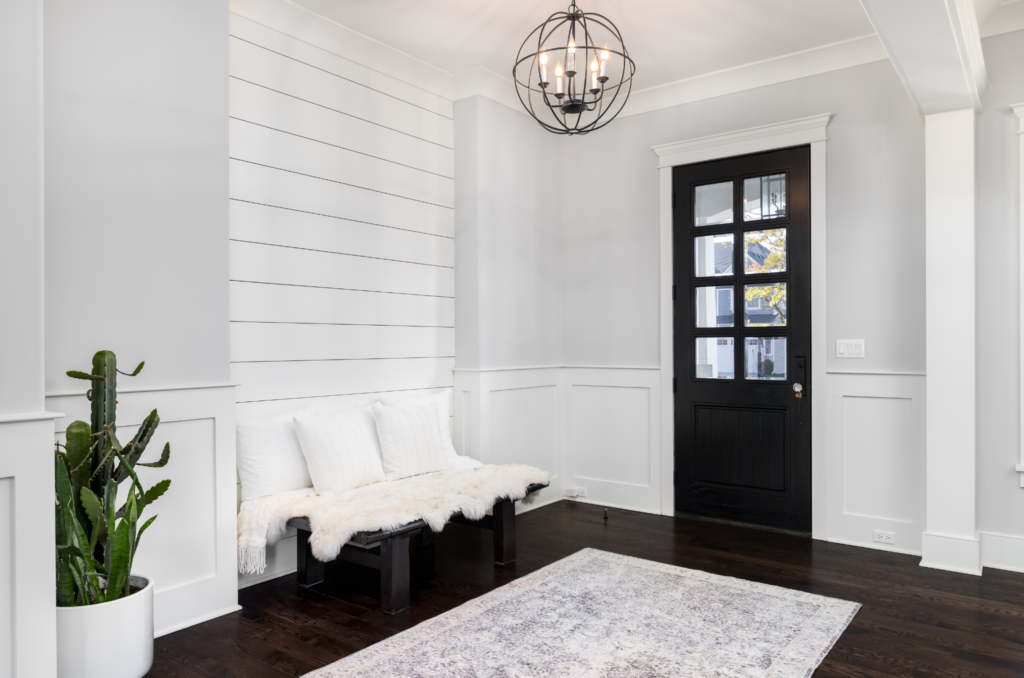
You don’t realize how much you need a place to sit until you don’t have one.
A bench, stool, or chair in the entryway does more than look intentional. It gives you a moment. A pause. A chance to take off shoes without hopping around like a flamingo.
If space is tight, look for:
- A slim bench that tucks under a console
- Use a small upholstered stool
- Look for storage benches that pull double duty
If space allows:
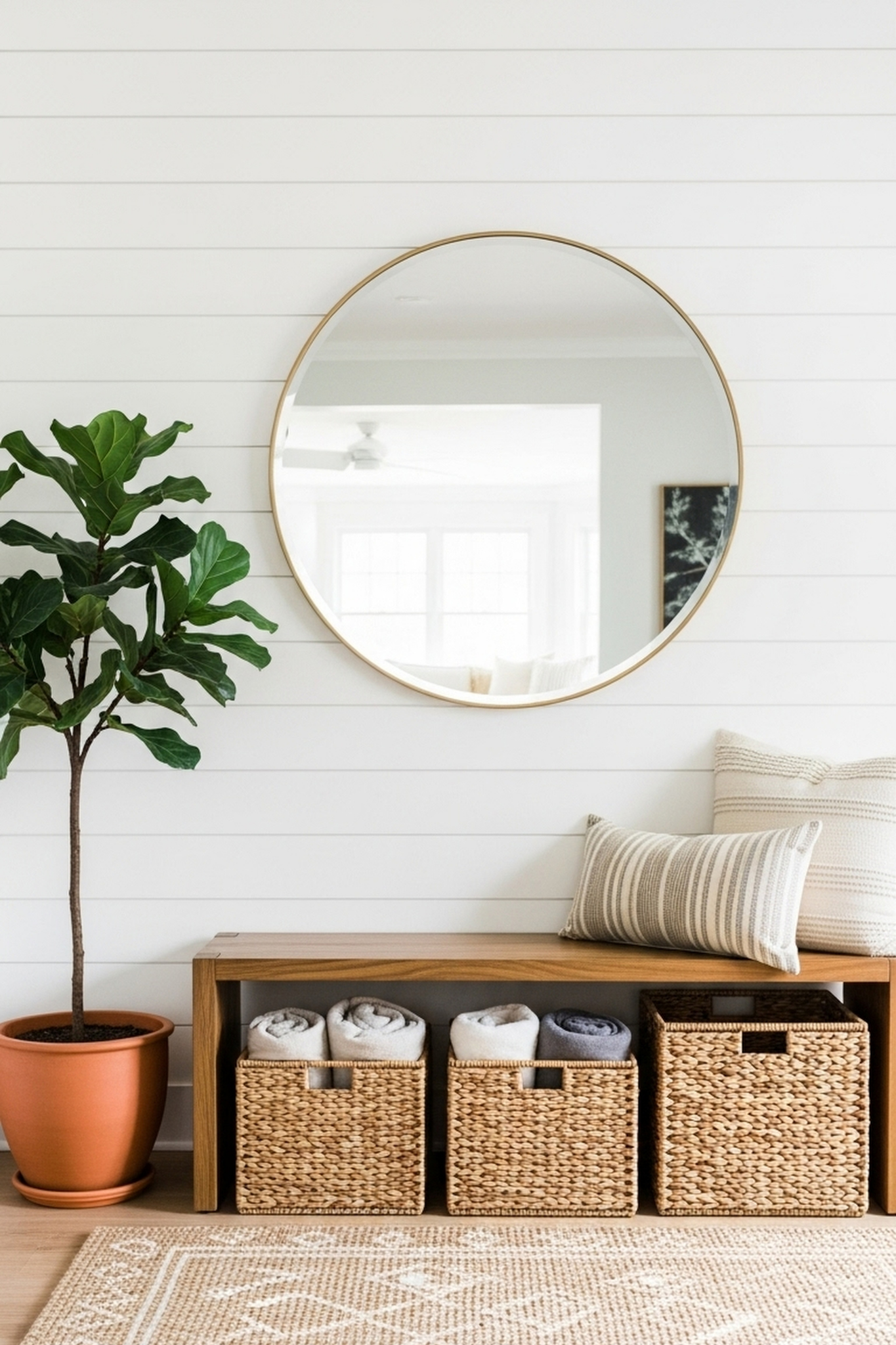
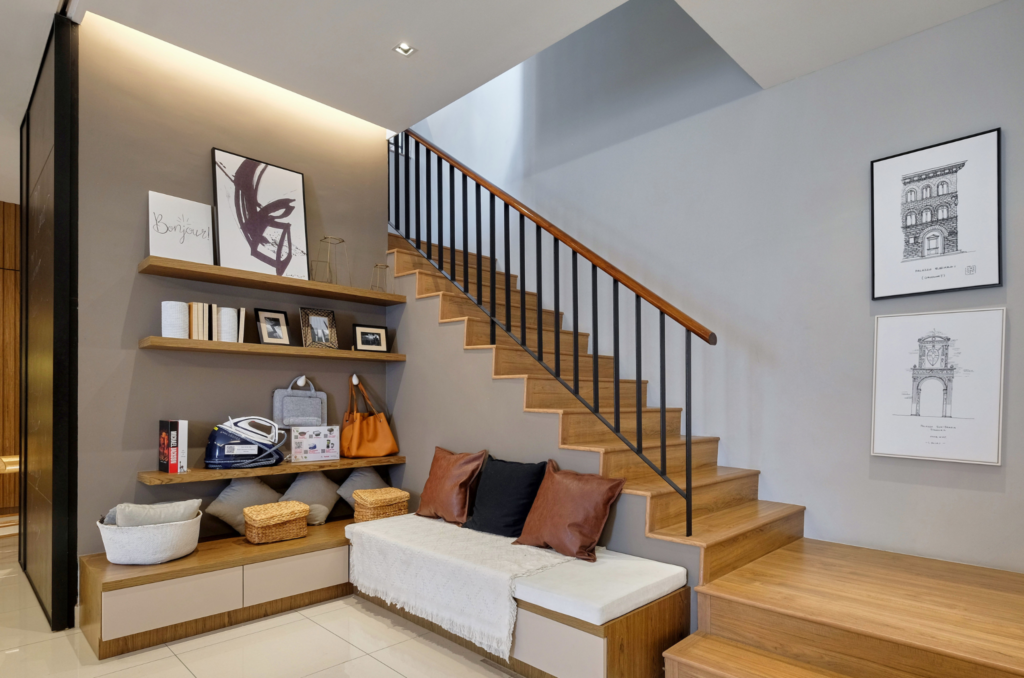
- A bench with baskets underneath is elite-level functionality
- Upholstered options add softness and warmth instantly
This is especially helpful if you:
- Have kids
- Wear shoes that need tying
- Just want a minute before entering the rest of your house
Avoid anything oversized or overly cushioned—it can quickly eat up floor space and become a dumping ground instead of a functional seat.
Think of seating as an invitation to slow down, even briefly.
Hooks Are Not Optional (And They’re Not Just for Coats)
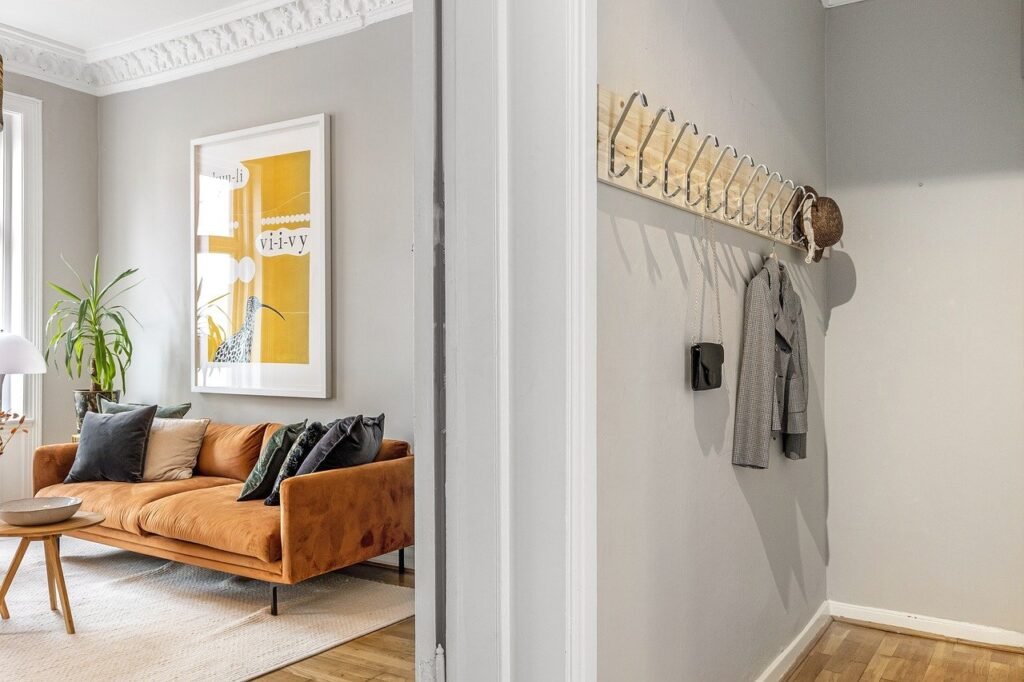
If your coats end up on the floor or the back of a chair, hooks are your friend.
They’re one of the most underrated entryway essentials—and one of the easiest upgrades.
Use hooks for:
- Coats and jackets
- Totes and backpacks
- Hats, scarves, and dog leashes
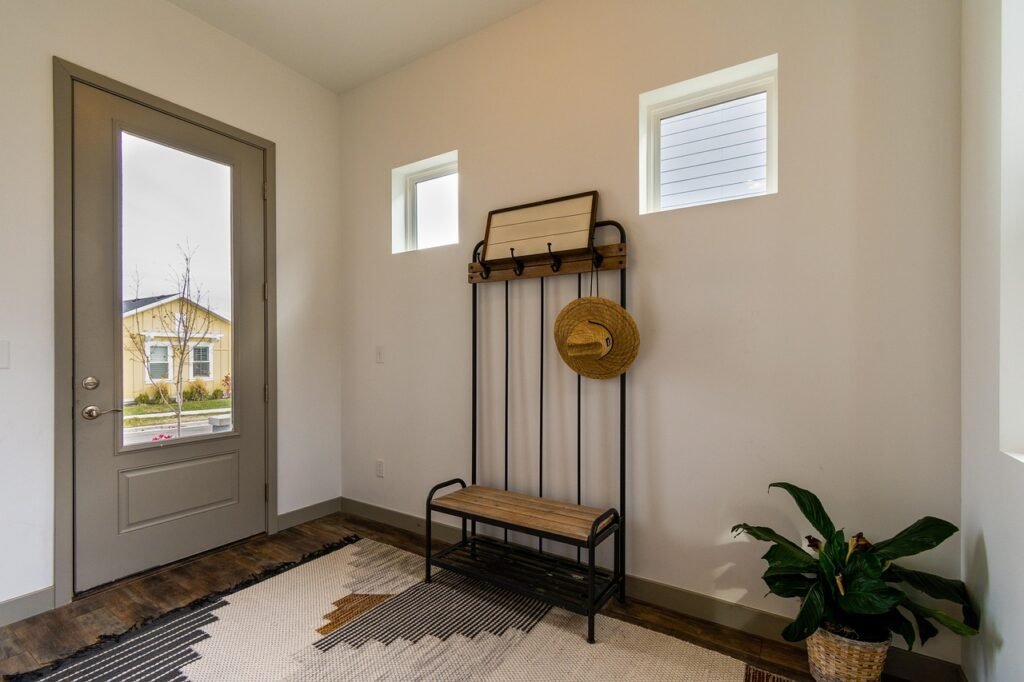
Wall-mounted hooks work because they’re faster than hangers and easier for everyone in the house to use. No doors to open. No excuses.
When shopping for hooks, look for:
- A weight rating that can handle coats and bags
- A finish that won’t chip easily
- Rounded edges that won’t damage straps
Avoid tiny decorative hooks that only hold scarves. They look cute, then immediately fail real life.
Pro tip: Install hooks at multiple heights.
Adult height for coats. Lower hooks for kids or everyday bags. When everyone can reach, everyone participates. Revolutionary, honestly.
A Rug That Works (Not Just One That’s Cute)
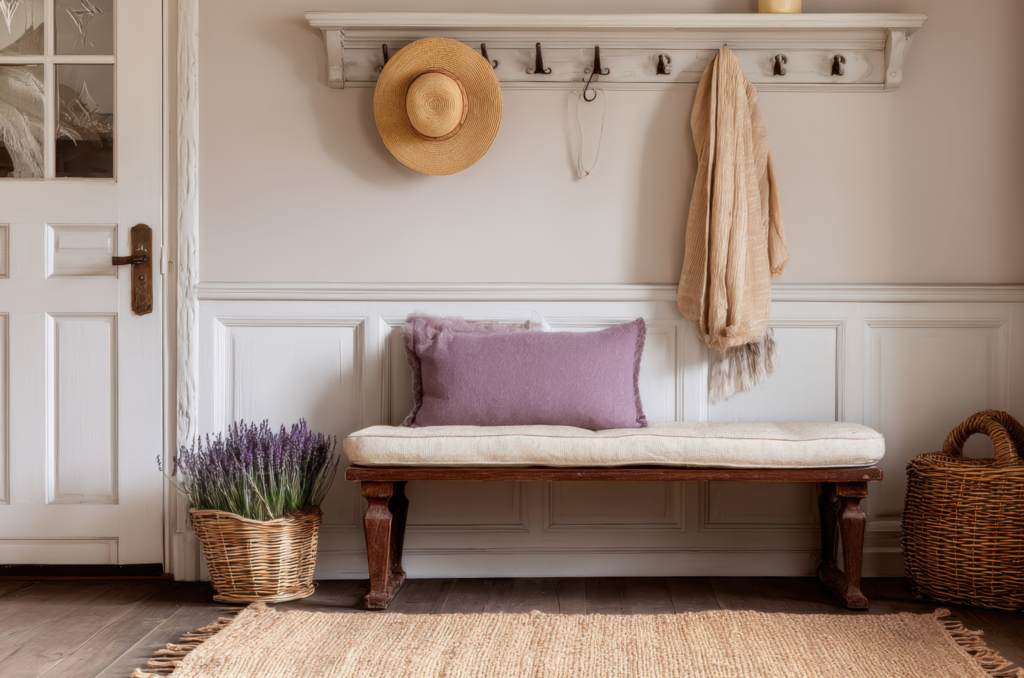
Entryway rugs take a beating.
Dirt. Moisture. Shoes that have seen things. This is not the place for anything precious or high-maintenance.
The right rug does three important jobs:
- Protects your floors
- Traps dirt before it travels further into your home
- Grounds the space visually
Look for rugs that are:
- Durable and easy to clean
- Low-pile or flatweave (doors open better)
- Darker or patterned enough to hide wear
Washable rugs are a gift to modern life. So are materials that don’t show every speck of dust.
Style matters, but practicality matters more here.
Lighting That Says “Welcome,” Not “Interrogation”
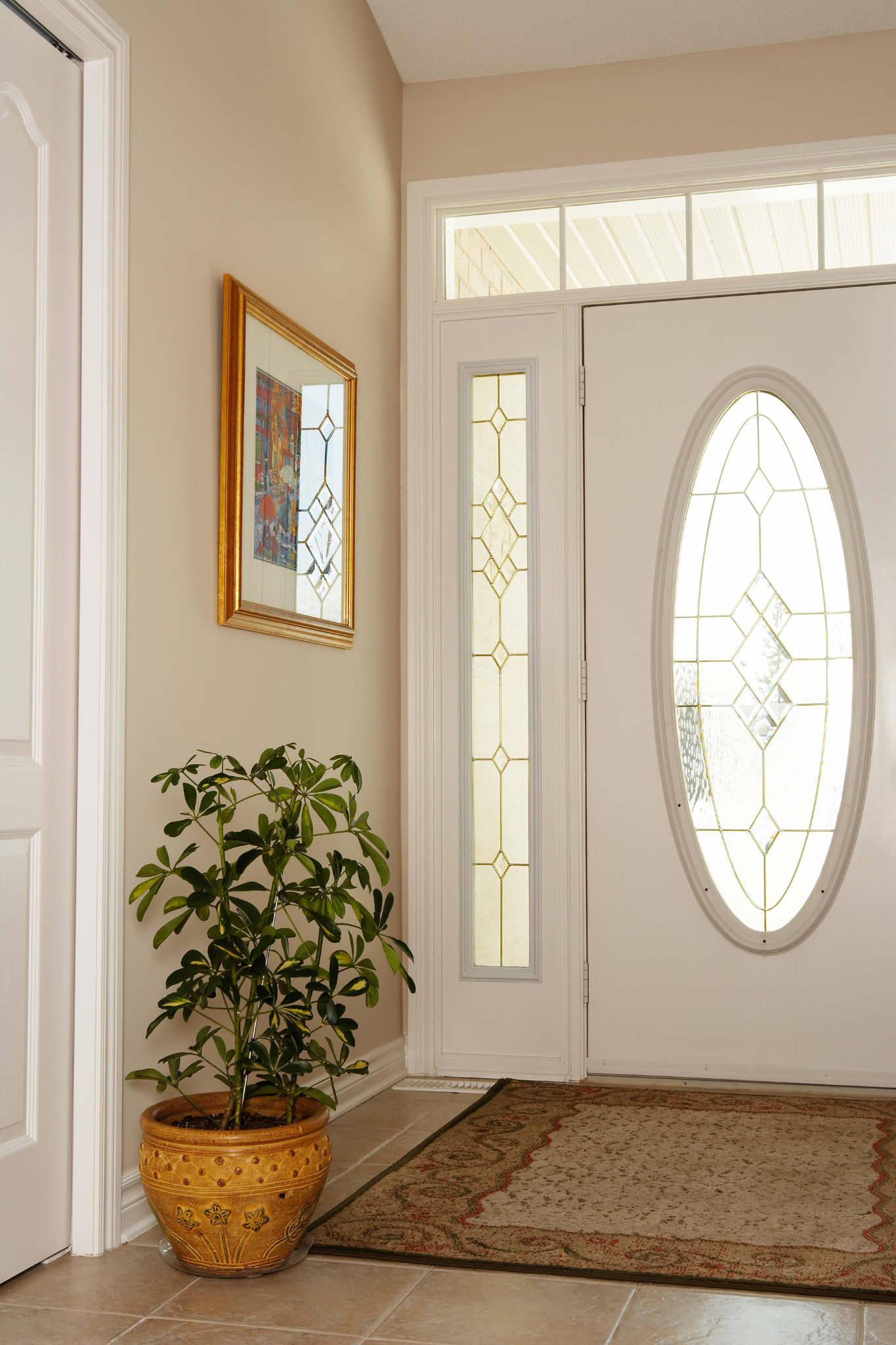
Lighting is one of the fastest ways to elevate an entryway—and one of the most overlooked.
If your space feels harsh or dim, no amount of organization will fully fix the vibe.
When choosing entryway lighting, look for:
- Warm light bulbs (soft white beats daylight every time)
- Fixtures that spread light evenly
- Simple designs that don’t overwhelm the space
If hardwiring isn’t an option, table lamps are a surprisingly strong solution. Amazon and big-box retailers offer great options that work beautifully on slim consoles.
Bonus points for lamps on timers or smart plugs—walking into a softly lit home at night feels like a small luxury that pays off daily.
Storage That Hides the Chaos (Without Becoming a Junk Drawer)
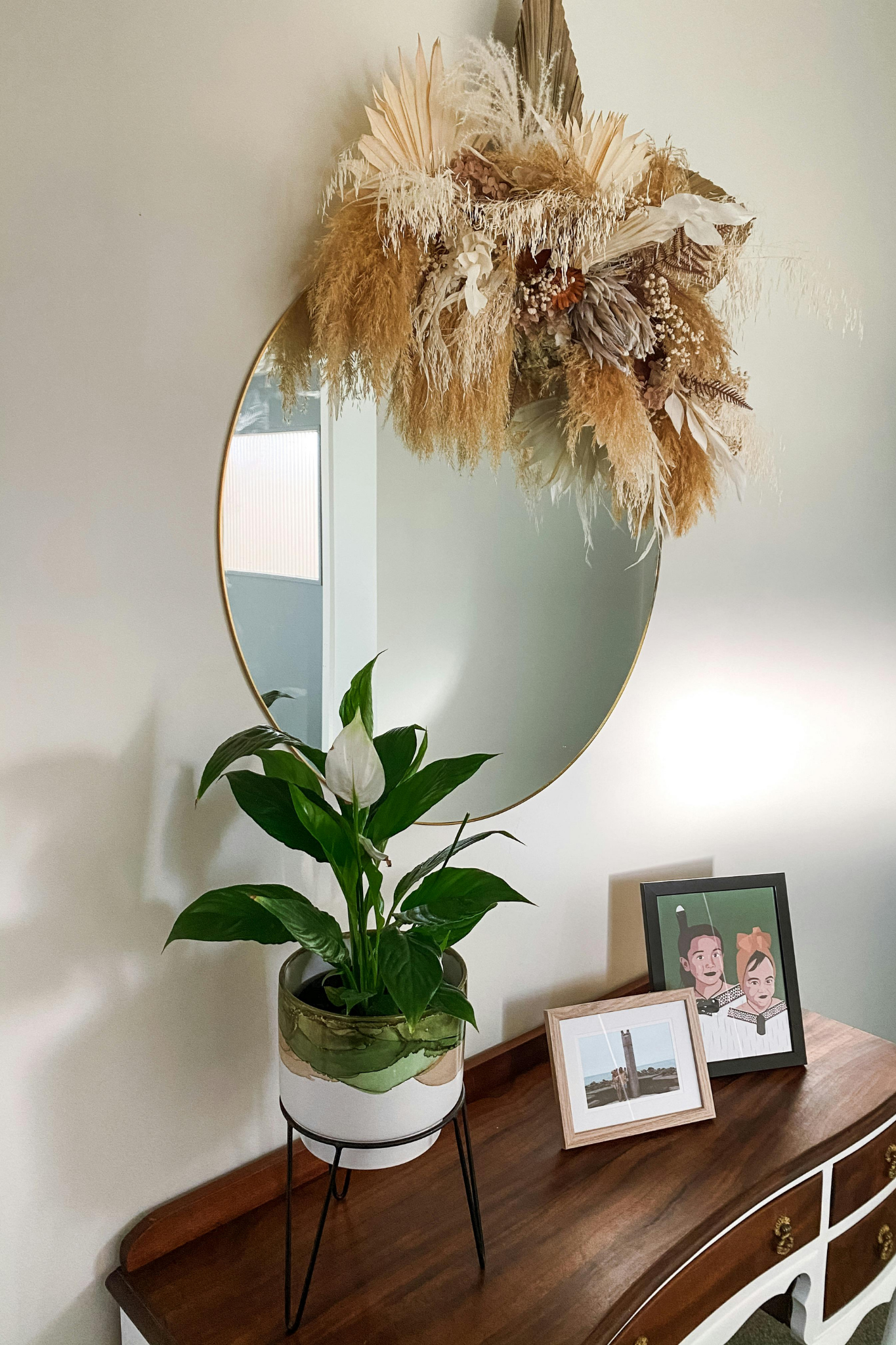
Let’s talk storage—because visible clutter undoes even the best intentions.
This is one of those categories where closed storage almost always wins. It creates visual calm home, even if what’s inside isn’t perfectly organized.
When shopping for entryway storage, look for:
- Closed cabinets or drawers
- Slim profiles for small spaces
- Adjustable shelves if possible
Avoid oversized furniture that blocks walkways or encourages overfilling. Storage should support your habits, not invite more stuff.
Console tables with drawers are especially versatile—they handle keys, mail, and random life items without turning into a junk drawer apocalypse.
These types of solutions are often highlighted in entryway organization ideas because they balance practicality and visual calm.
Mirrors: Practical, Flattering, and Space-Expanding
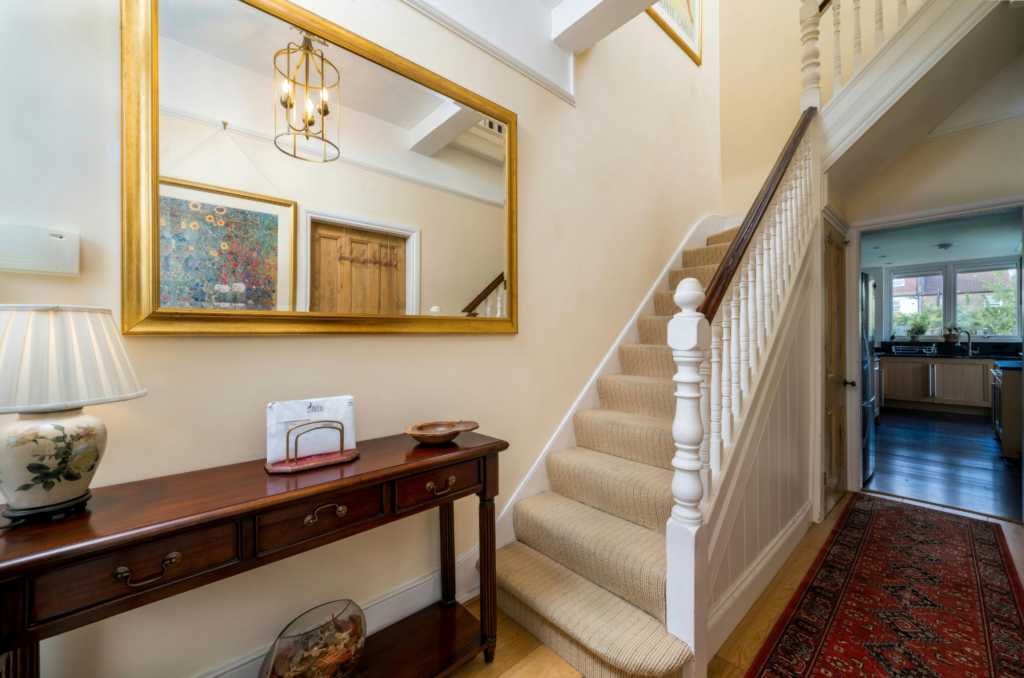
Mirrors are entryway MVPs.
They:
- Let you check your face before leaving
- Reflect light and brighten the space
- Make small areas feel larger
A mirror near the door is one of those things you don’t miss until you have it.
Choose a size that makes sense for your space. Full-length if possible. Medium-sized above a console works beautifully too.
And yes, you’ll use it. Probably more than you think.
A Little Greenery Goes a Long Way
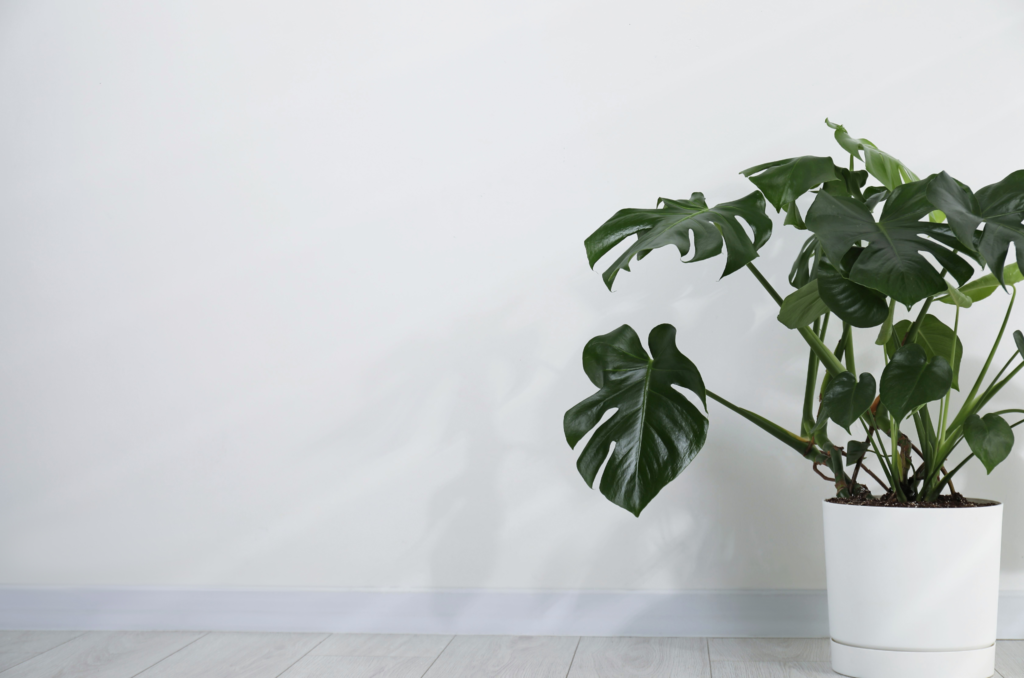
Plants instantly soften a space.
They make your entryway feel alive, cared for, and welcoming—even if everything else is neutral and simple.
If you’re plant-confident:
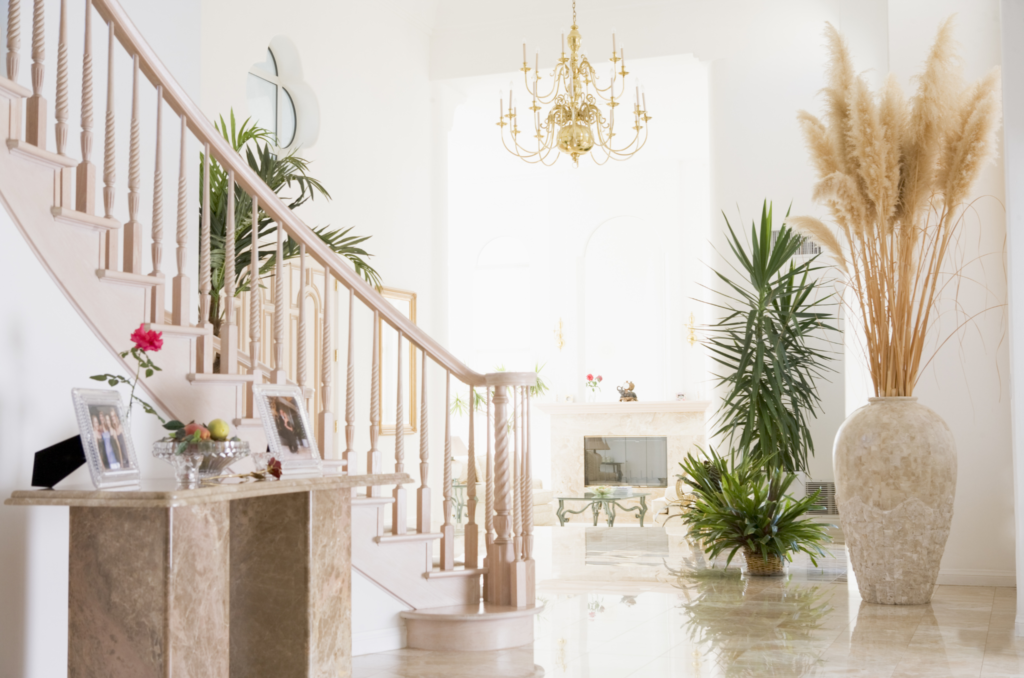
- A tall plant in a corner adds drama
- Smaller plants on a console add freshness
If you’re plant-aspirational:
- Choose low-maintenance options
- Or go faux and release the guilt entirely
This is about the feeling, not proving anything.
Greenery says, “Someone lives here. And they care.”
Scent Is the Unsung Hero of First Impressions
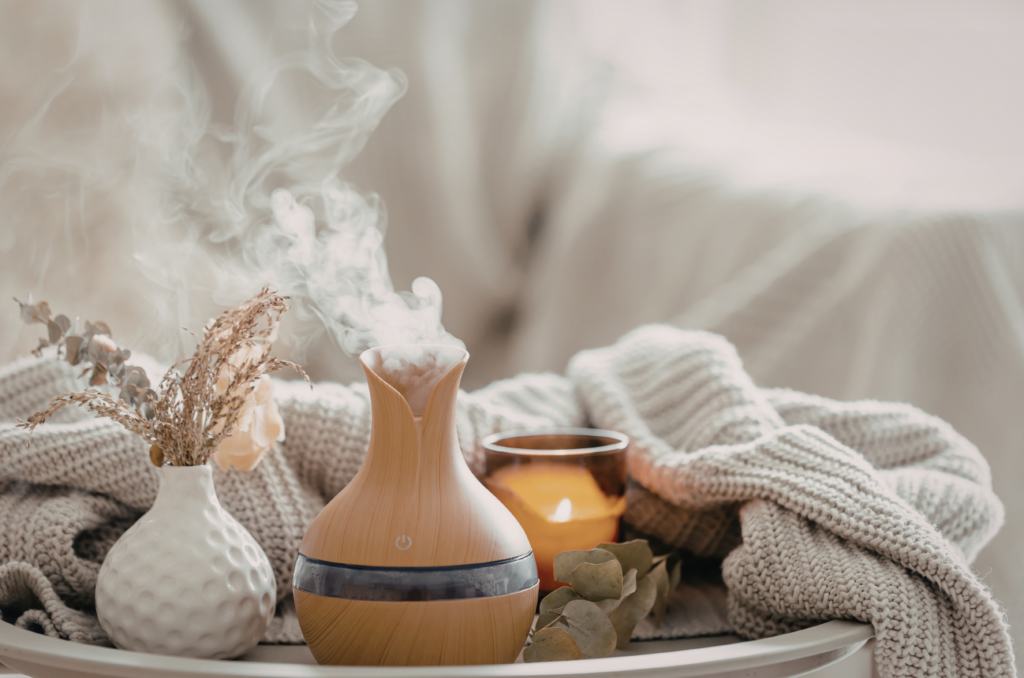
You notice the scent before you consciously register it.
A subtle, pleasant smell in the entryway sets the tone immediately.
Think:
- Light, not overpowering
- Clean, not perfumey
- Consistent, not chaotic
Options include:
- Reed diffusers
- Essential oil blends
- Gently scented candles (unlit still count)
Avoid anything too sweet or heavy. The goal is “fresh and calm,” not “mall fragrance store.”
When your home smells good, everything else feels more put together—even if it’s not.
Personal Touches That Make It Yours
This is where the space stops feeling staged and starts feeling lived-in.
A framed photo. A small piece of art. A favorite object that makes you smile.
Your entryway should reflect you, not a checklist.
One or two personal touches are enough. Too many, and the space starts to feel cluttered again.
Think intentional, not filled.
What to Skip (Because Less Really Is More)
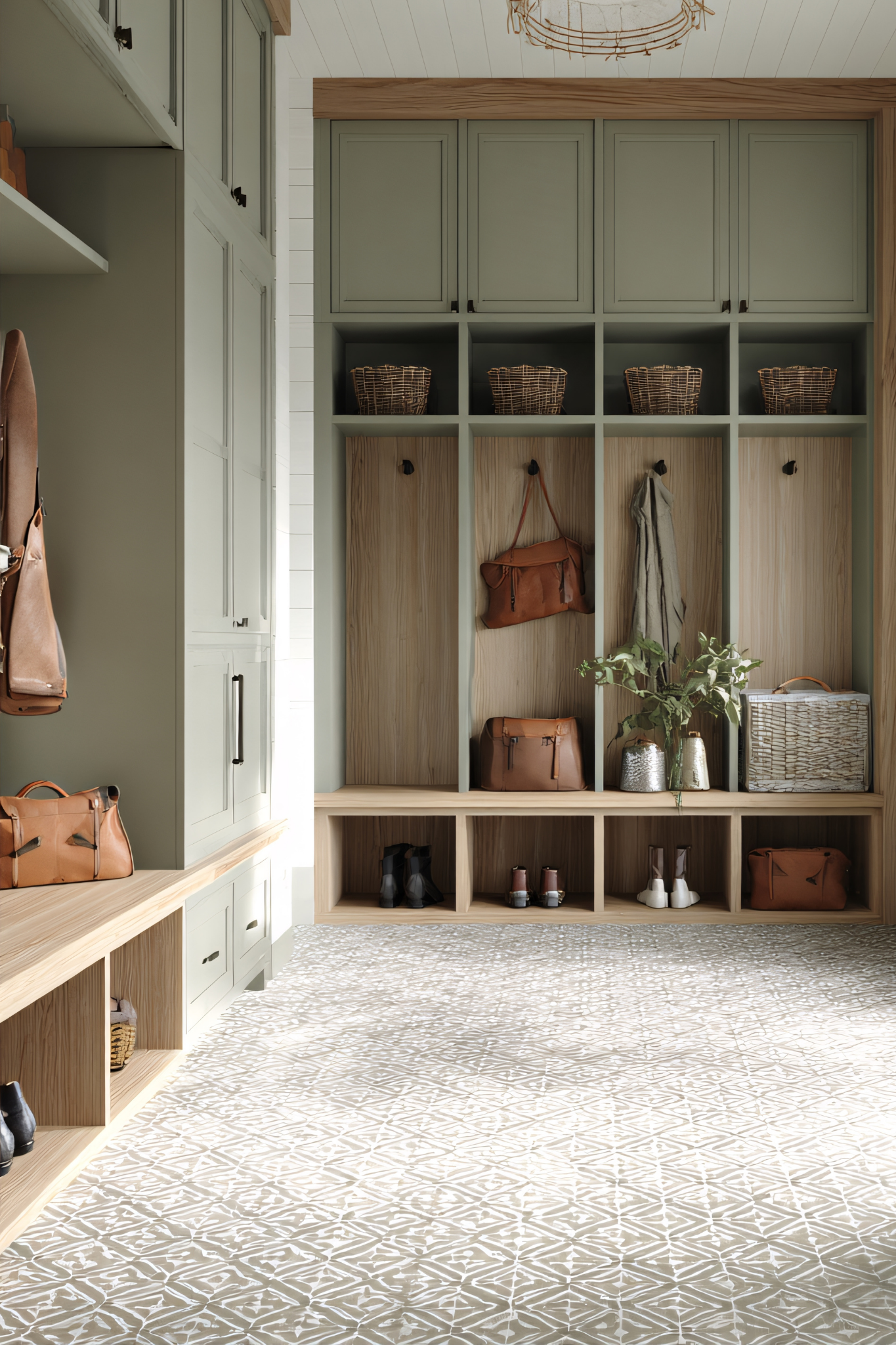
Not everything belongs in an entryway.
Consider skipping:
- Oversized furniture that blocks movement
- Too many decorative objects
- Open storage that shows every mess
- Anything that requires constant upkeep
If it doesn’t serve a purpose or bring joy, it’s probably not earning its keep.
Your entryway should support your life, not add another thing to manage.
How to Make It Work If You Have No Entryway
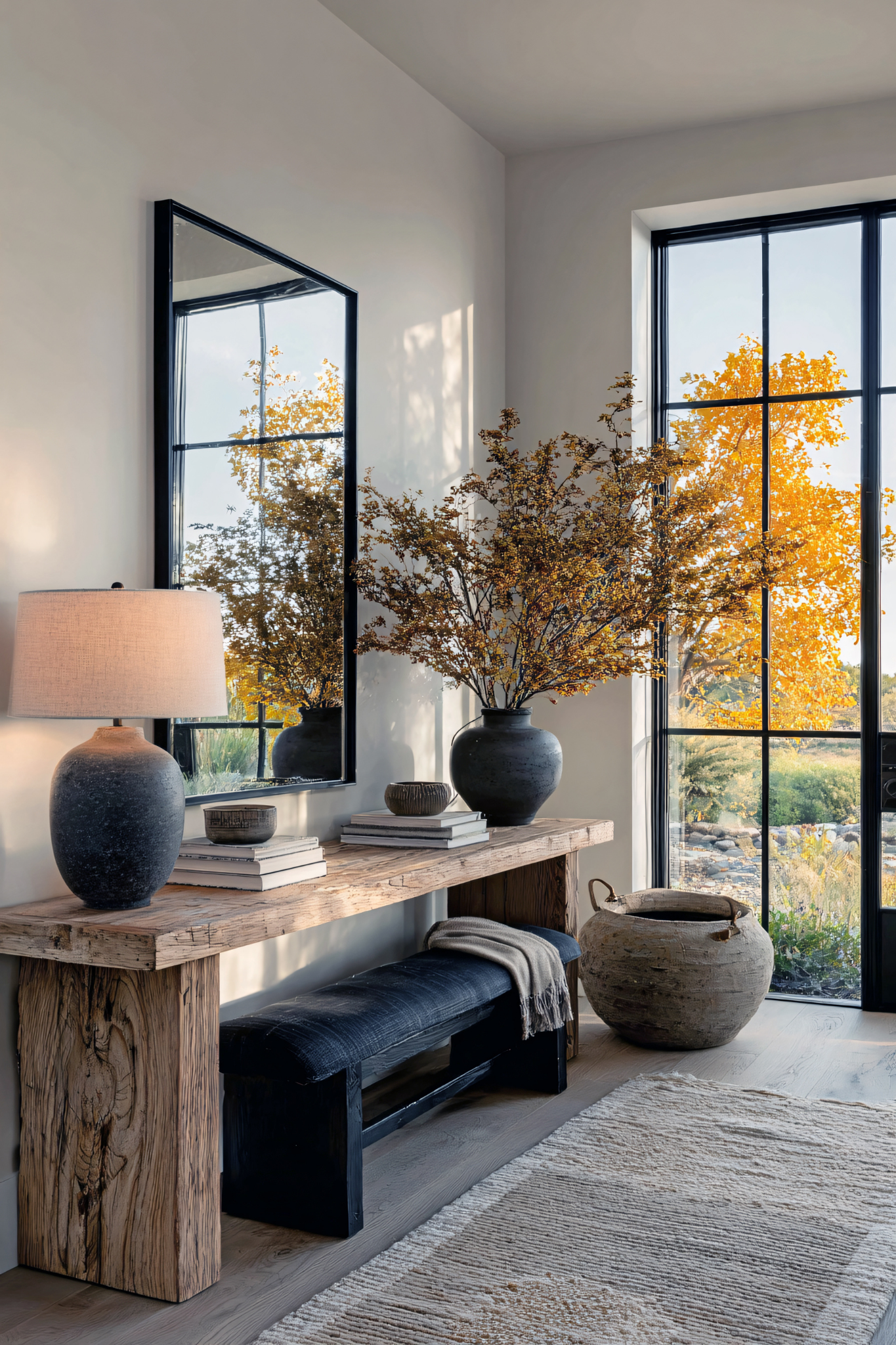
Apartment dwellers, this part is for you.
Even if your front door opens straight into your living room, you can still create an entry moment.
Try:
- A small rug to define the space
- Wall hooks near the door
- A narrow console or shelf
- A basket for shoes or bags
You don’t need walls to create intention. You just need clarity.
Designating even a few square feet makes a difference — especially when planning small entryway design solutions.
The Real Goal: Ease, Not Impressing Anyone
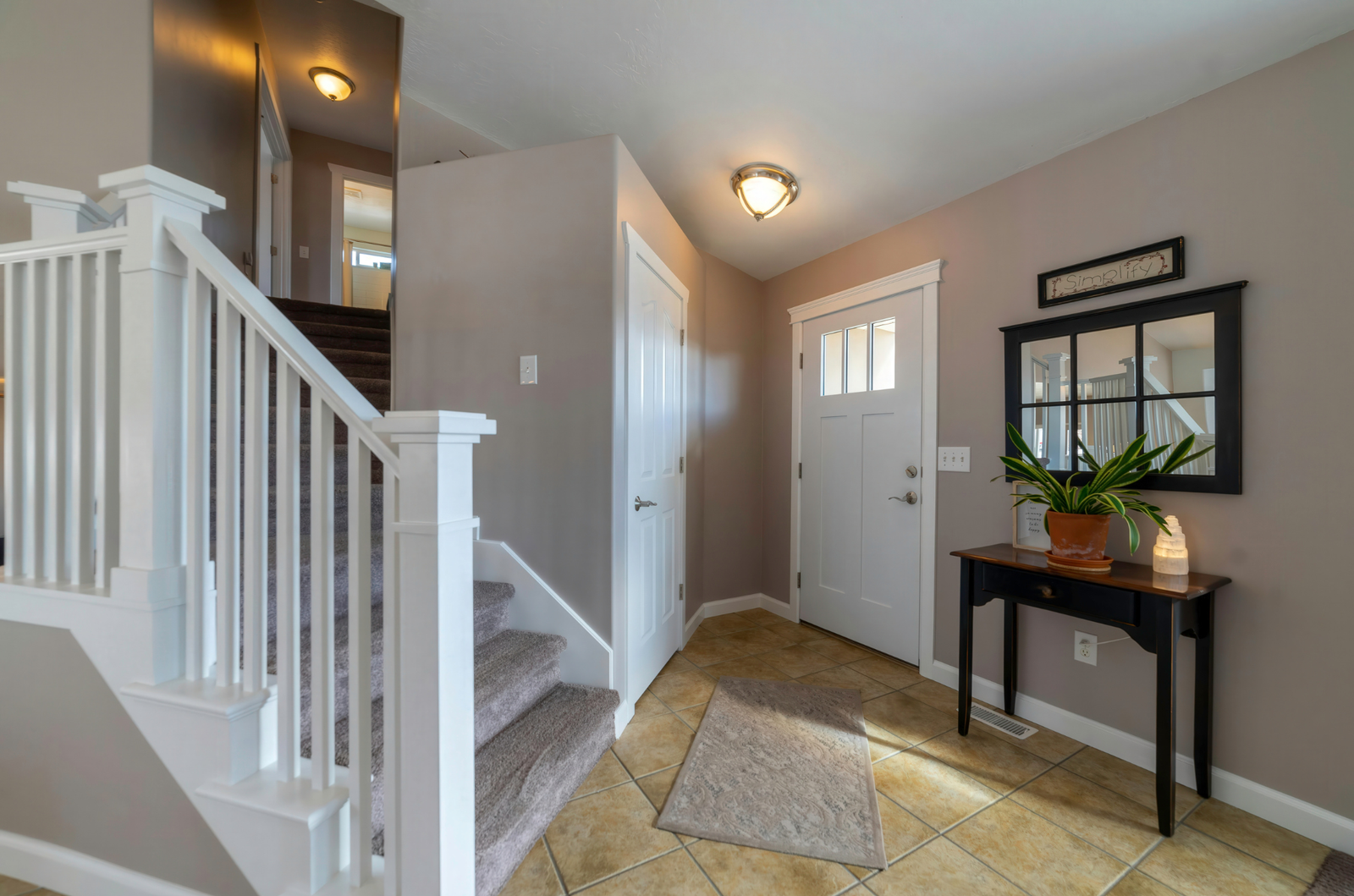
Here’s the truth.
The best entryway isn’t the one that gets the most compliments. It’s the one that quietly makes your day smoother.
It’s the space that:
- Helps you leave on time
- Welcomes you home gently
- Reduces friction instead of adding to it
That’s real luxury.
And it’s completely achievable with a few thoughtful choices and the right entryway essentials.
A Gentle Invitation
If your entryway has been an afterthought, that’s okay. Most of us didn’t mean for it to become a catch-all—it just happened while life was busy.
There’s no pressure to “fix” everything or make it photo-ready. This isn’t about perfection or keeping up. It’s about noticing how your home supports you… or where it quietly makes things harder than they need to be.
Maybe take a moment to think about how you feel when you walk through the door at the end of the day. Frazzled? Rushed? Relieved? That first feeling matters more than we give it credit for.
Small shifts can create real ease.
If this sparked an idea, save it for later—or share what one simple change you’d love to try first. Sometimes naming it is the first step toward making it happen — starting with the right entryway essentials.

