


This post may contain affiliate links. If you purchase through these links, we may earn a small commission at no additional cost to you. As an Amazon Associate we earn from qualifying purchases.
Here’s the thing no one tells you about stress: it doesn’t just live in your head.
Calm home essentials for stress-free living start with understanding that stress shows up in your space, too.
It lives in the pile of unopened mail, silently judging you from the counter.
In the overhead light that feels like an interrogation lamp at 6 a.m.
In the chair that technically counts as furniture but makes your neck feel like it’s been in a minor car accident.
Your home is quietly shaping your nervous system all day long—whether you realize it or not.
And no, this isn’t about turning your small space into a minimalist showroom where no one is allowed to sit. It’s not about beige-on-beige-on-beige or throwing out everything you own and “starting fresh.”
This is about creating a home that feels like it’s on your side.
A space that meets you where you are.
A space that helps you exhale instead of bracing.
Let’s talk about calm home essentials for stress-free living—without perfectionism, pressure, or pretending real life isn’t happening.
Why Your Home Matters More Than You Think
You can’t out-meditate a chaotic environment.
You can journal every morning, drink your greens, take your supplements—and still feel fried if your home keeps your nervous system on high alert.
Science backs this up. Visual clutter raises cortisol levels. Harsh lighting interferes with circadian rhythms. Constant background noise keeps your brain scanning for threats, even when you’re technically “off the clock.”
Your brain is always asking one quiet question: Am I safe here?
Your home is either answering with “you’re okay”
or whispering “stay sharp” all day long.
The good news? You don’t need a renovation, a giant budget, or a sudden personality shift.
You need intention.
Small, thoughtful changes can dramatically shift how your body feels in your space—and that’s where real calm begins.
Calm Home Essentials for Stress-Free Living (That Actually Feel Lived-In)
Lighting That Doesn’t Yell at You (Calm Home Lighting Essentials)
Overhead lighting has a time and place. That place is not every room, every hour, forever.
Bright, cool-toned lighting tells your brain it’s time to focus, perform, and stay alert. That’s useful at work. It’s much less helpful when you’re trying to unwind after dinner and your nervous system is already on edge.
If you’ve ever felt inexplicably edgy at night, lighting is often the culprit.
This is one of those items worth investing in early, because it affects your mood every single day.
Calm lighting upgrades that actually make a difference:
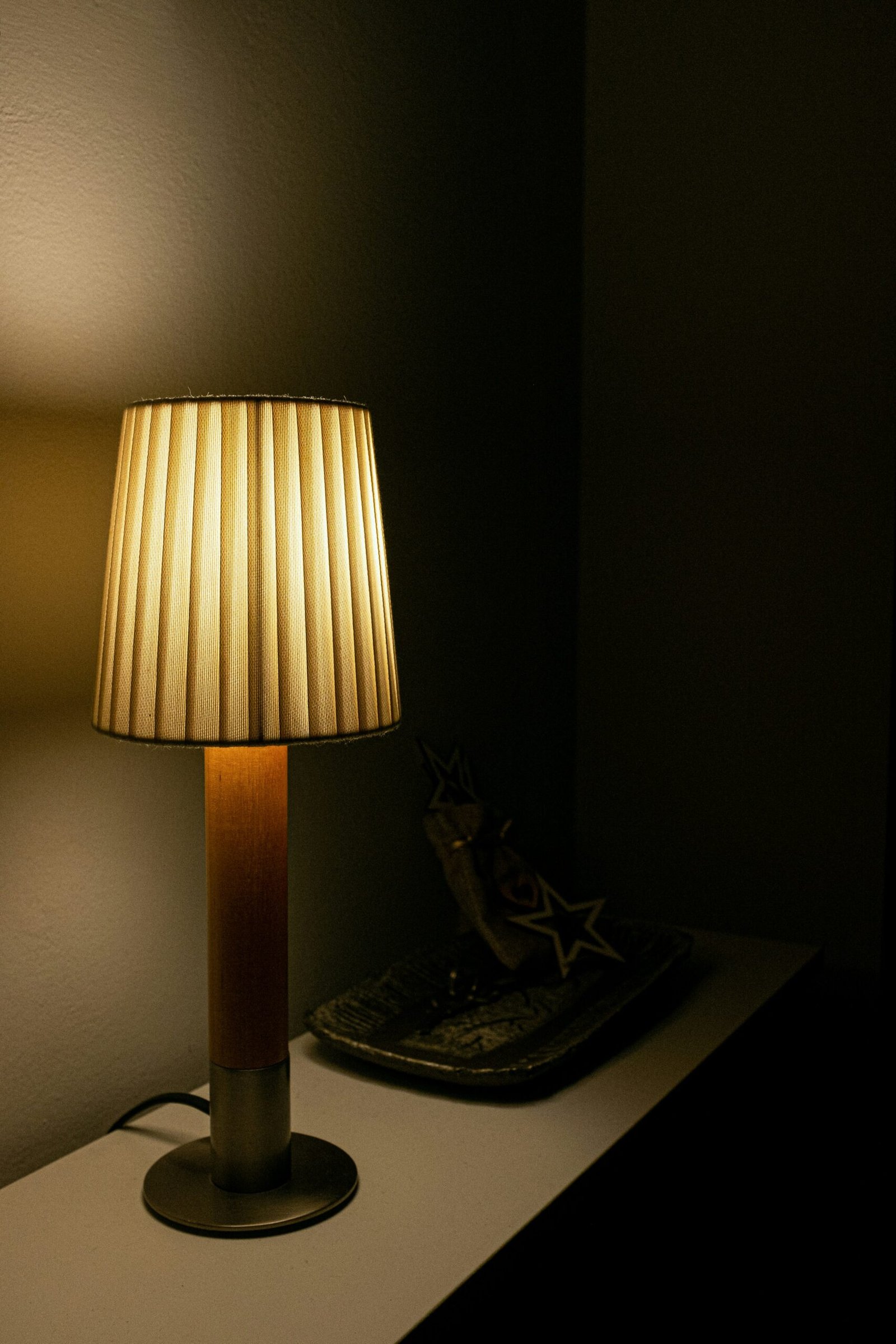
- Warm bulbs (2700K or lower) for living rooms and bedrooms
- Table lamps or floor lamps instead of relying solely on ceiling lights
- Dimmer switches—or plug-in dimmers if rewiring isn’t an option
When choosing bulbs, avoid anything labeled daylight or cool white. Look for soft white or warm glow instead. The difference is immediate.
At night, think “cave energy.”
Lower light. Warmer tones. Softer glow.
If your lighting feels aggressive, your nervous system stays on guard—even if you don’t consciously notice it.
Sound That Supports, Not Startles
Silence isn’t always calming. For many people, it can actually feel unsettling.
Random noise, though? That’s the real stressor.
Traffic, neighbors, barking dogs, buzzing appliances—your brain treats unpredictable sound as potential information it needs to monitor.
This is one of those categories where consistency matters more than silence.
Helpful sound-softening options:
- White noise or brown noise machines for steady background sound
- Soft instrumental music during cooking or evenings
- Rugs, curtains, and upholstered furniture to reduce echo
When choosing a sound machine, avoid harsh or tinny audio and obvious looping tracks. Look for continuous sound options with adjustable volume—something you won’t get annoyed by at 2 a.m.
You’re not trying to eliminate sound. You’re trying to make it predictable.
Predictability equals safety.
Safety equals calm.
Fresh Air Isn’t Optional (Air Quality Essentials)
Stale air doesn’t just feel unpleasant—it affects mood, focus, and energy.
Fresh air increases oxygen flow and quietly signals “reset” to your nervous system. Even a few minutes helps.
This is one of the simplest calm upgrades, and it doesn’t require perfection.
Low-effort ways to improve air quality at home:
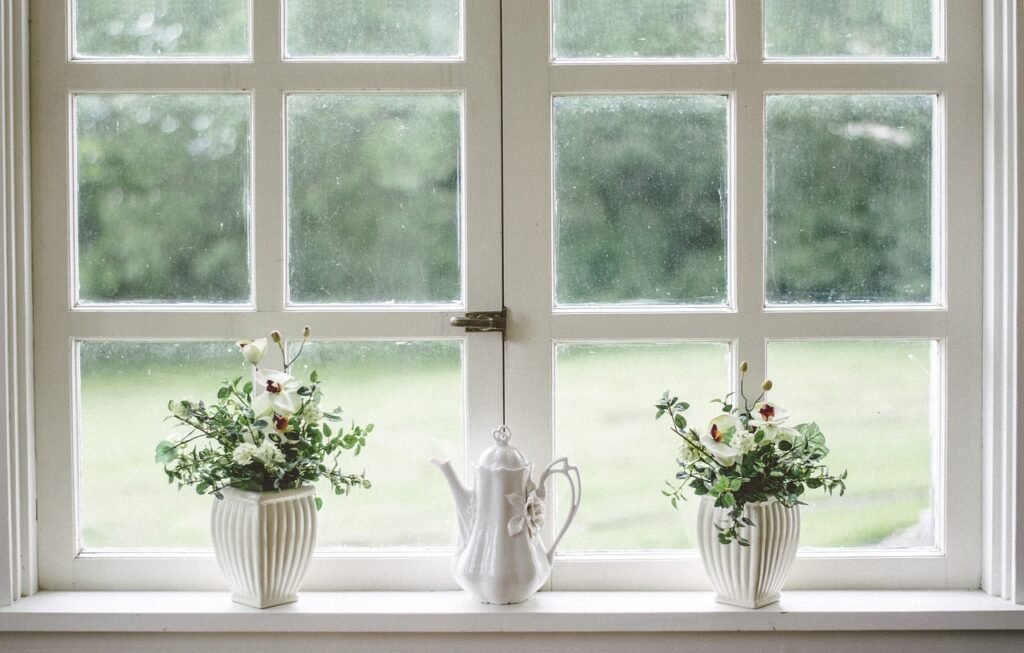
- Open windows daily, even for five minutes
- Use an air purifier if you live in a city or deal with allergies
- Keep at least one real plant alive
If you’re considering an air purifier, avoid models that are overly loud or require complicated upkeep. Look for quiet operation and easy-to-replace filters—something you’ll actually keep running.
Breathing better air sounds basic because it is.
And your nervous system absolutely notices.
Decluttering Without Losing Your Mind
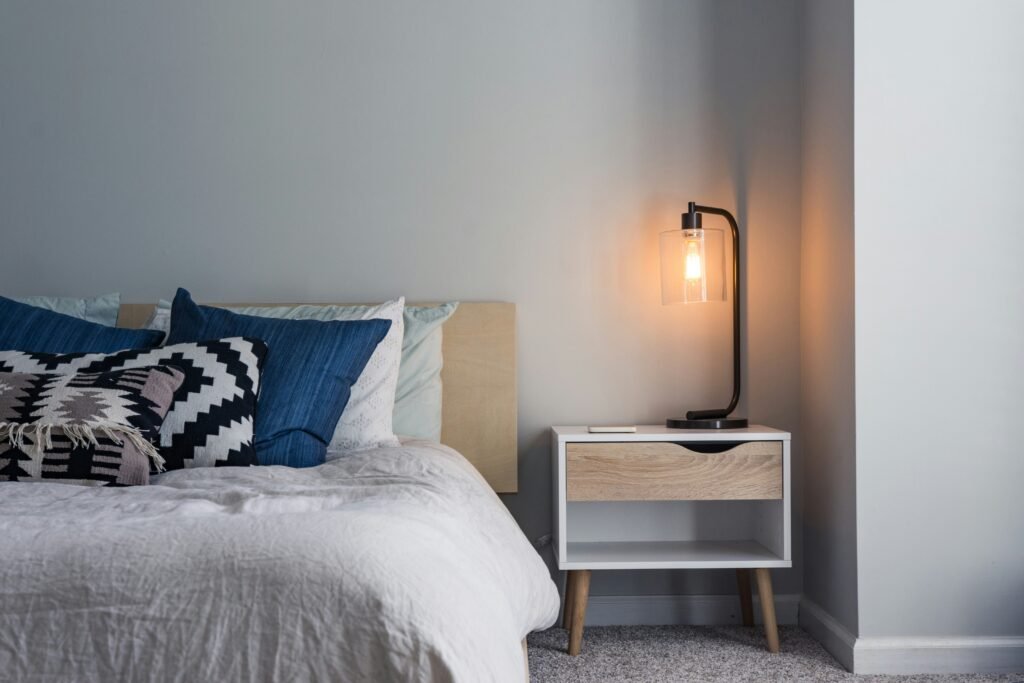
Let’s clear something up: clutter is not a personal failure.
It’s usually the result of being busy, overwhelmed, or responsible for too many things at once.
That said, visual chaos does drain your mental energy—whether you want it to or not.
The goal here isn’t minimalism.
The goal is visual rest.
Start With What You See First
Your brain reacts most strongly to entry points—the places your eyes land again and again.
Focus on:
- The kitchen counter you walk past constantly
- The bedside table you see first thing in the morning
- The bathroom sink area
Clear just one surface.
Not the whole room. Not the whole house. One surface.
That small visual pause can lower stress more than you’d expect.
Contain, Don’t Eliminate
You don’t need fewer things. You need better homes for them.
Baskets, trays, bins, and drawers aren’t about being aesthetic—they’re about boundaries.
A helpful rule:
If something doesn’t have a container, it becomes visual noise.
Containing items allows your brain to stop processing them all the time. Out of sight doesn’t mean avoidance—it means relief.
Furniture That Feels Good to Your Body
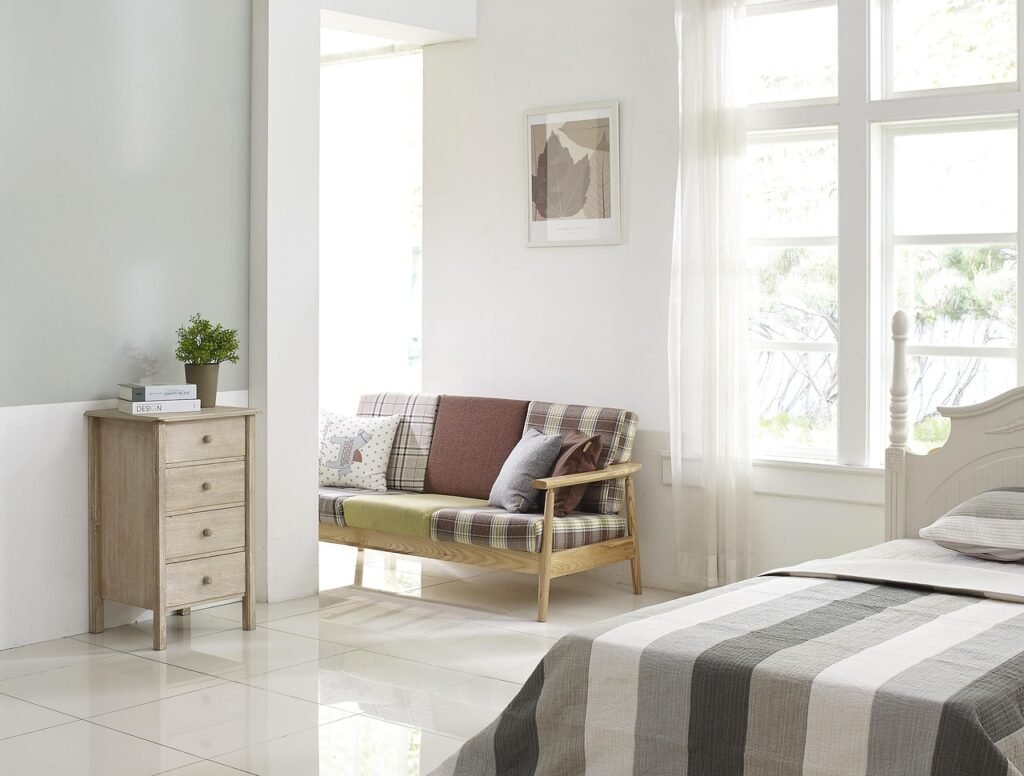
Stress doesn’t live only in your thoughts. It lives in your muscles, joints, and posture.
If your body never truly relaxes at home, your stress lingers longer.
Seating That Lets You Drop Your Shoulders
That chair you collapse into every night? Your body remembers it.
Ask yourself:
- Can I sit here without bracing?
- Do my feet touch the ground?
- Am I supported—or hovering?
Small additions can make a big difference:
- A lumbar pillow
- A footrest or ottoman
- A throw blanket for warmth and grounding
When choosing pillows or throws, avoid purely decorative options that look nice but don’t support your body. Look for comfort first—style second.
Comfort isn’t indulgent. It’s nervous system regulation.
A Bed That Signals Real Rest
Your bed should feel like permission to stop trying.
Small upgrades that matter more than you think:
- Breathable sheets you genuinely like touching
- Pillows that support your neck instead of fighting it
- A weighted blanket if anxiety shows up at night
If your bed feels like an afterthought, your sleep quality will reflect that.
Scent: The Shortcut to Calm

Smell goes straight to the emotional center of the brain—no logic required.
That’s why one scent can instantly relax you… and another can ruin your mood in seconds.
Choose Scents That Feel Clean, Not Loud
You don’t need a fragrance cloud announcing your presence.
Calming scent families include:
- Lavender and chamomile
- Sandalwood and cedar
- Eucalyptus and bergamot
This is one of those categories where Amazon does particularly well—there’s a wide range of diffusers, candles, and linen sprays at different price points, making it easy to experiment without committing to anything over-the-top.
Use scent intentionally:
- A diffuser for short periods
- Linen spray on pillows
- One candle at a time
The Power of Soft Textures
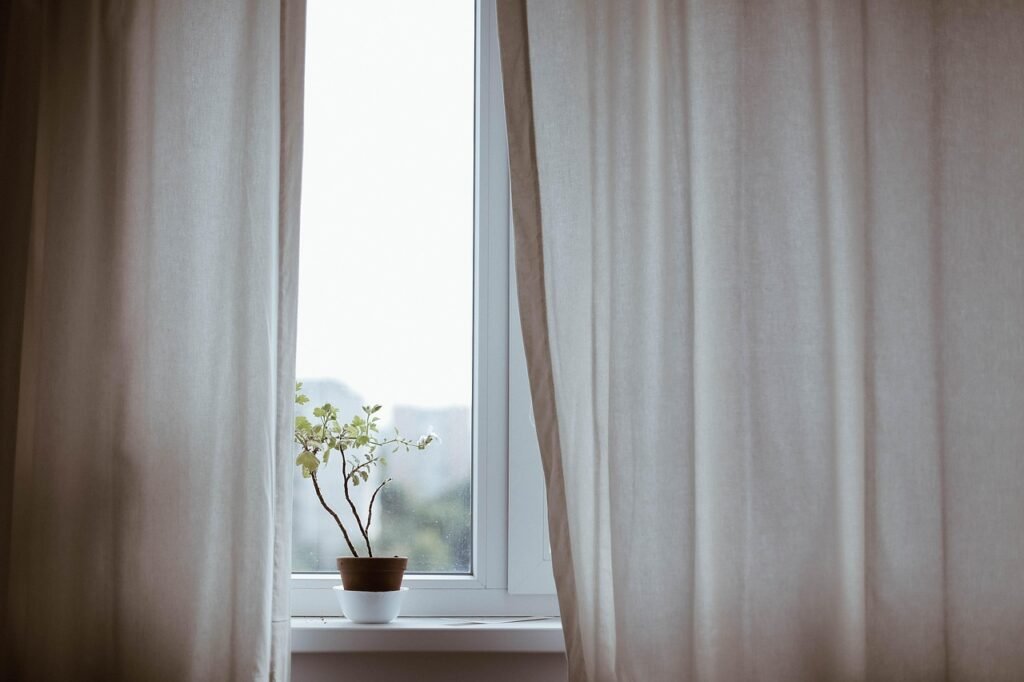
Hard surfaces reflect sound and tension. Soft textures absorb both.
This isn’t just about coziness—it’s about sensory regulation.
Cozy Is Functional, Not Frivolous
Think:
- Rugs underfoot
- Curtains instead of bare windows
- Throws and pillows with varied textures
Your body relaxes when it feels physically supported.
If your space feels sharp or echo-y, adding softness brings balance.
Creating “Exhale Zones” Around Your Home
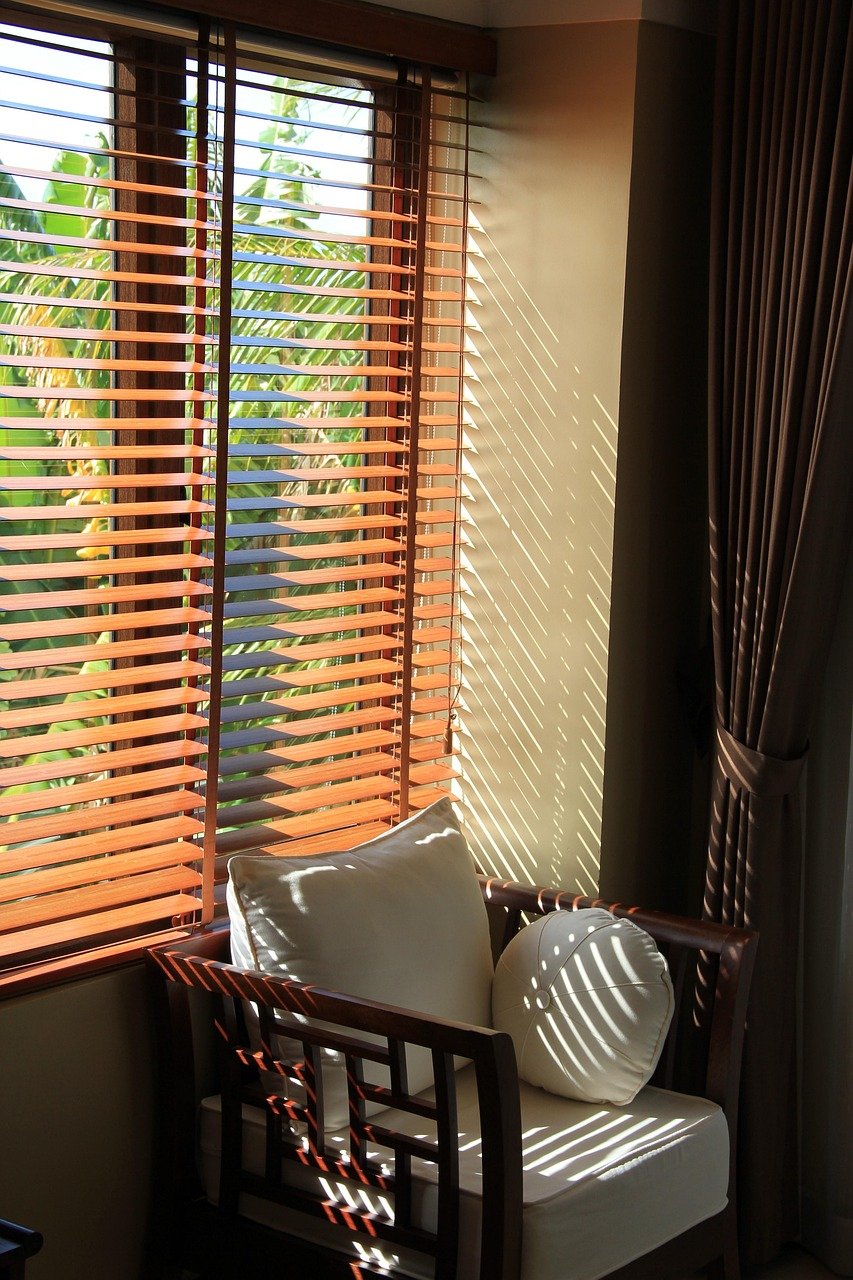
Not every room needs to feel serene. Your home just needs places where your body knows it can rest.
What Is an Exhale Zone?
A spot designed purely for decompression.
It might be:
- A corner chair with a lamp
- One side of the couch with a blanket and book
- A bathroom setup that feels calm instead of rushed
An exhale zone sends one powerful message:
“You don’t need to be productive here.”
And that message is more healing than it sounds.
Kitchen Calm (Yes, It’s Possible)
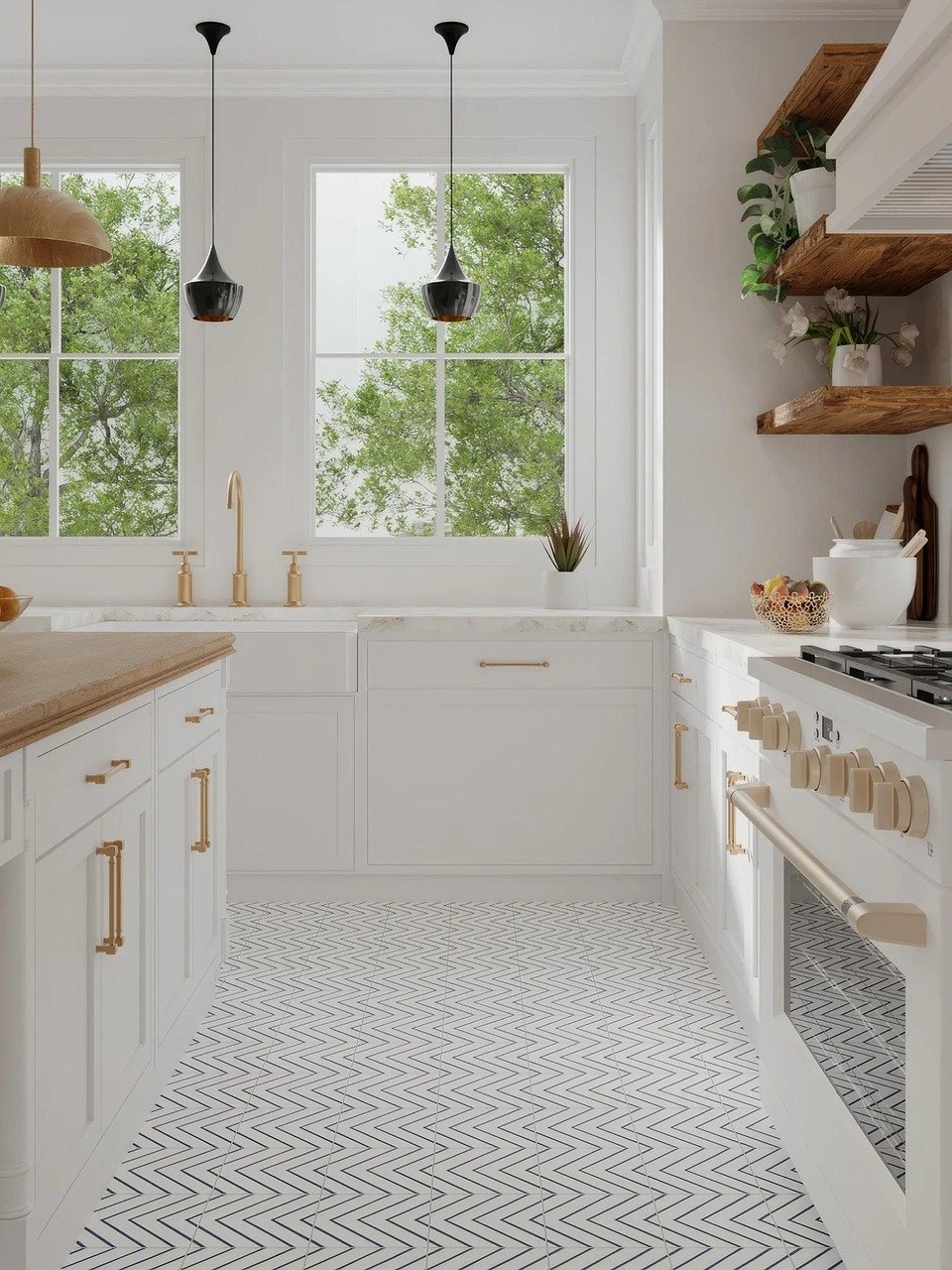
The kitchen is often command central—and a stress magnet.
You don’t need a perfect kitchen. You need one that doesn’t overwhelm you when you’re tired and hungry.
Simplify the Visual Noise
Start small:
- Clear the area around the sink
- Clear one section of counter
- Clear the fridge exterior
Then add:
- A tray for daily-use items
- A plant or bowl of fruit
- Warm lighting if possible
Your brain craves order when your blood sugar is low.
Bathroom Tweaks That Feel Luxurious (But Aren’t Extra)
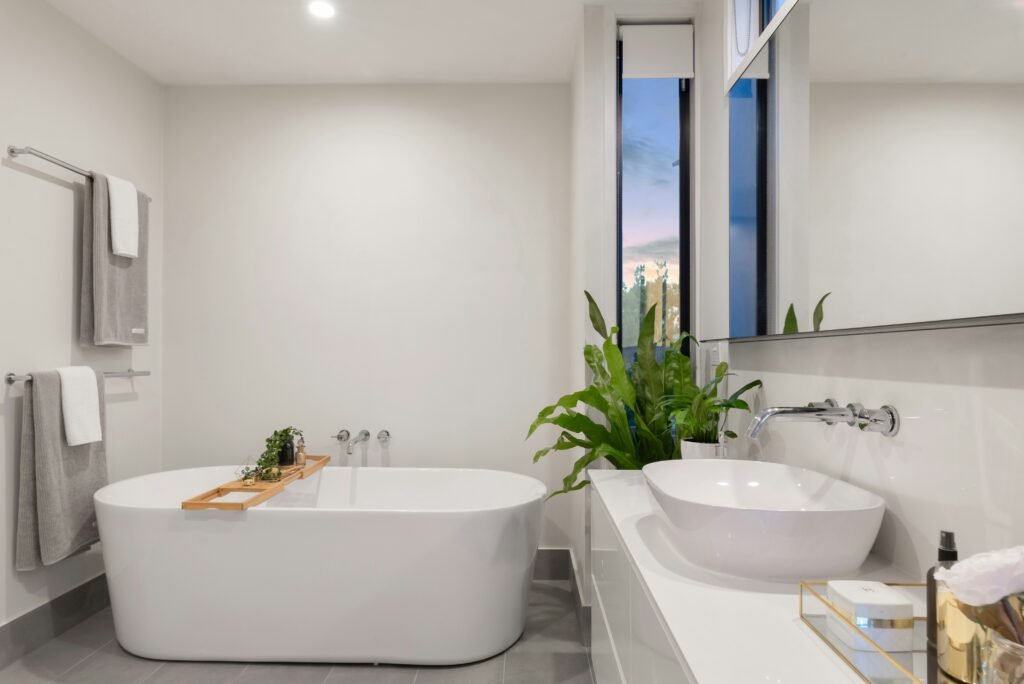
Bathrooms are often practical but emotionally cold.
A few small changes can turn daily routines into grounding moments.
Easy upgrades:
- Soft, absorbent towels you enjoy using
- A bath mat that feels good on bare feet
- A gentle soap or lotion with a calming scent
Your nervous system doesn’t know the difference between “luxury” and “thoughtful.”
It only knows how it feels.
The Bedroom: Your Nervous System’s Headquarters
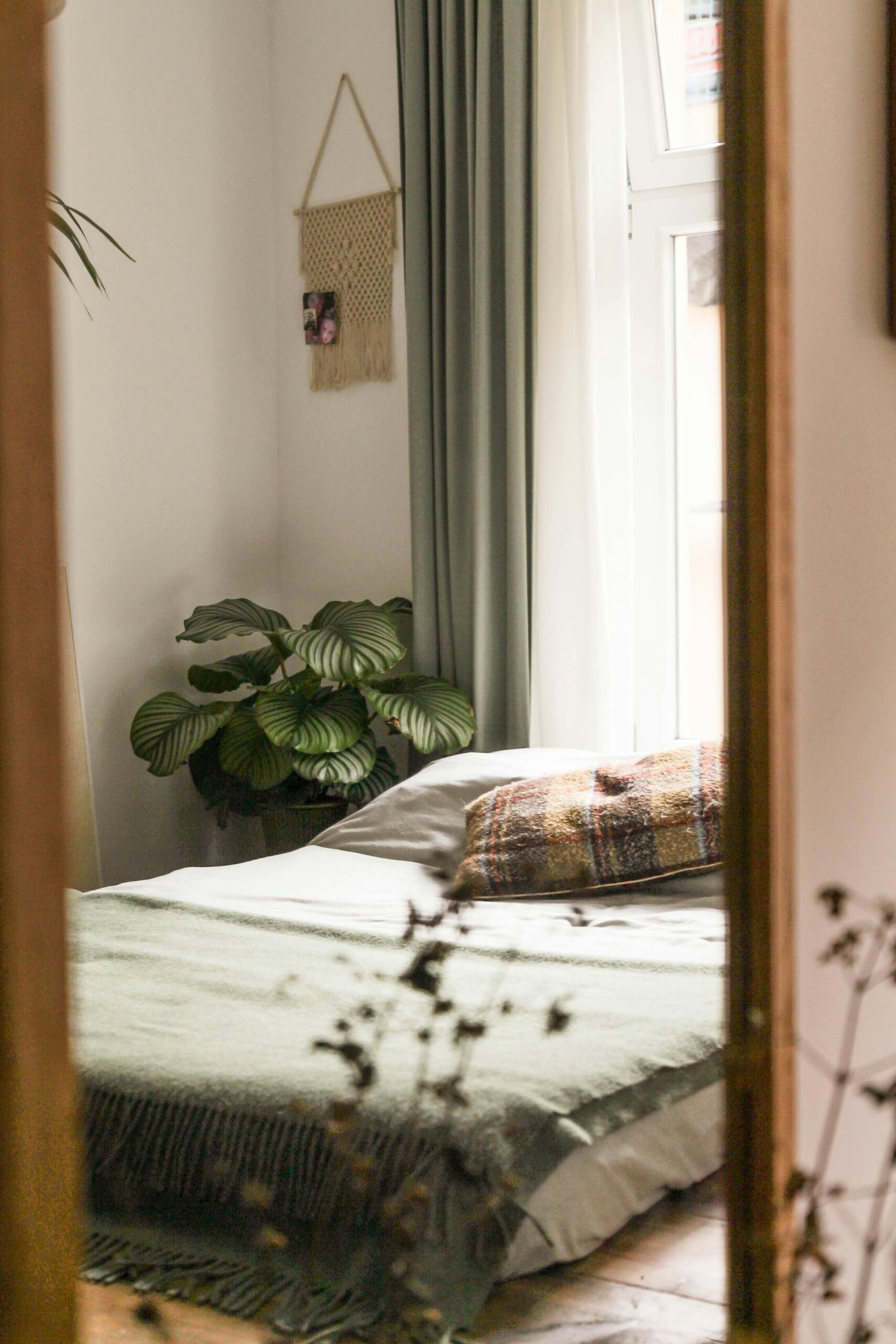
If there’s one room to prioritize, it’s this one.
Remove Stress Triggers First
Take out:
- Work materials
- Piles of laundry
- Anything that makes you think “I should…”
Your brain needs a clear association between the bedroom and rest.
Keep the Color Palette Soft
Muted, warm tones help your body settle.
No repaint required. Start with:
- Neutral bedding
- Calming artwork
- Fewer bold patterns
The bedroom should feel like a sigh, not a to-do list.
Digital Clutter Counts Too
Stress doesn’t stop at physical objects.
Visible chargers, glowing screens, constant notifications—they all keep your brain alert.
Simple boundaries:
- Charge devices outside the bedroom
- Hide cords when possible
- Set a “soft shutdown” time at night
Your home should support rest—not demand attention.
Calm Is Built Through Small Choices
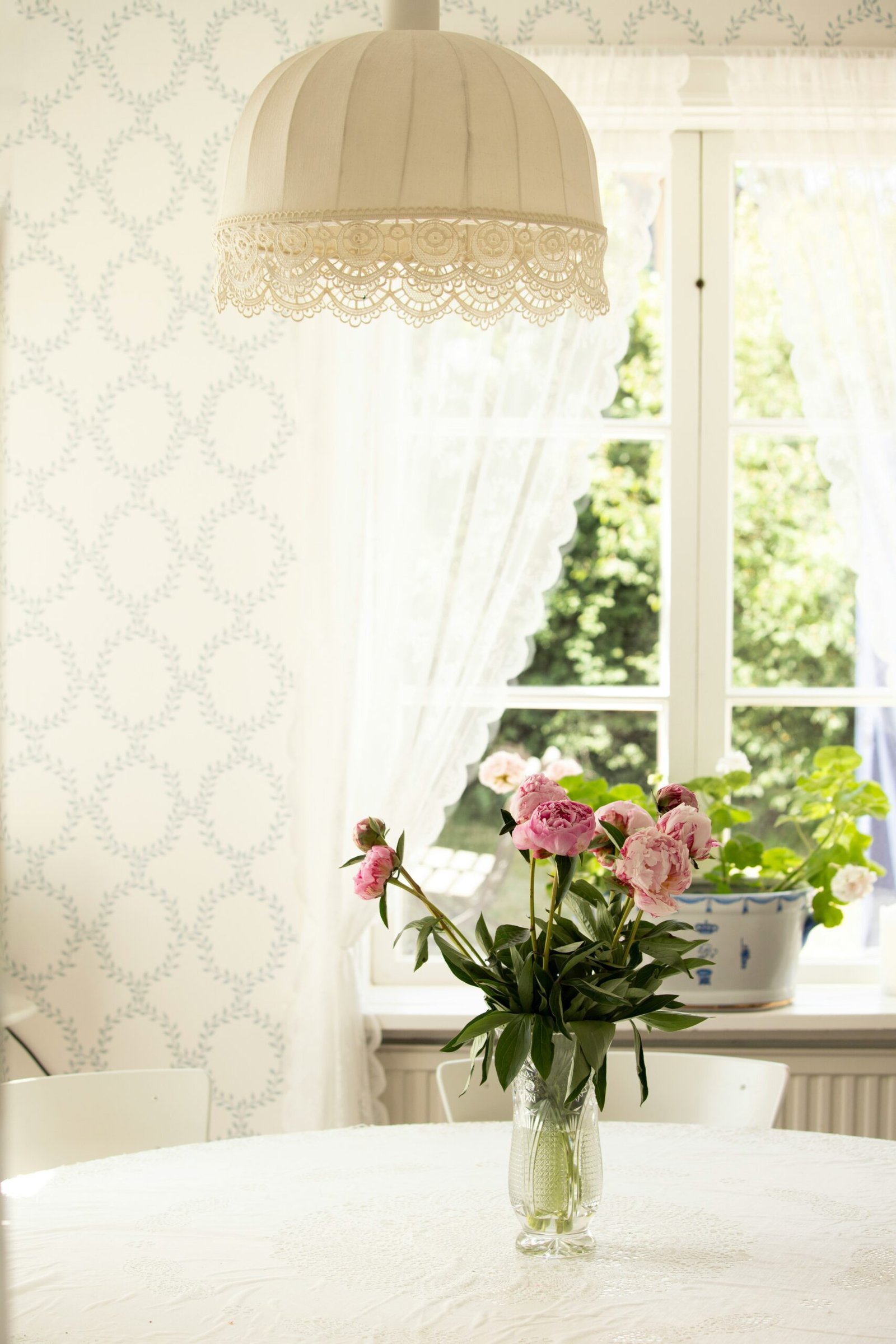
Calm homes aren’t created in a weekend.
They’re built slowly, by noticing what drains you and choosing differently next time.
You don’t need to overhaul your space.
You need to listen to your body.
Ask:
- Where do I tense up at home?
- What feels supportive here?
- What small change would help me breathe easier?
Start there.
Practical Takeaways You Can Use This Week
- Swap one overhead light for a warm lamp
- Clear one surface completely
- Add one soft texture to a frequently used space
- Create one exhale zone
- Choose one calming scent and use it lightly
That’s it. No pressure to do everything.
Frequently Asked Questions
Do I need to declutter my entire house to feel calmer?
No. Clearing just one surface or creating one calm corner can make a noticeable difference. The goal isn’t minimalism—it’s visual and sensory relief where your eyes and body rest the most.
What’s the fastest change that makes a home feel calmer?
Lighting. Swapping harsh overhead lights for warm lamps—especially in the evening—often creates the quickest sense of relief. It’s one of the easiest, most affordable upgrades with an immediate impact.
Is a calm home the same as a minimalist home?
No. A calm home can be full, lived-in, and imperfect. It’s not about having fewer things—it’s about how your space makes you feel when you’re tired, overwhelmed, or trying to rest.
How do I start if I feel overwhelmed already?
Start where your body notices tension first. Ask yourself: Where do I brace at home? Then make one gentle change—softer light, a cleared surface, a more comfortable chair. Calm builds one small choice at a time.
A Gentle Reminder Before You Go
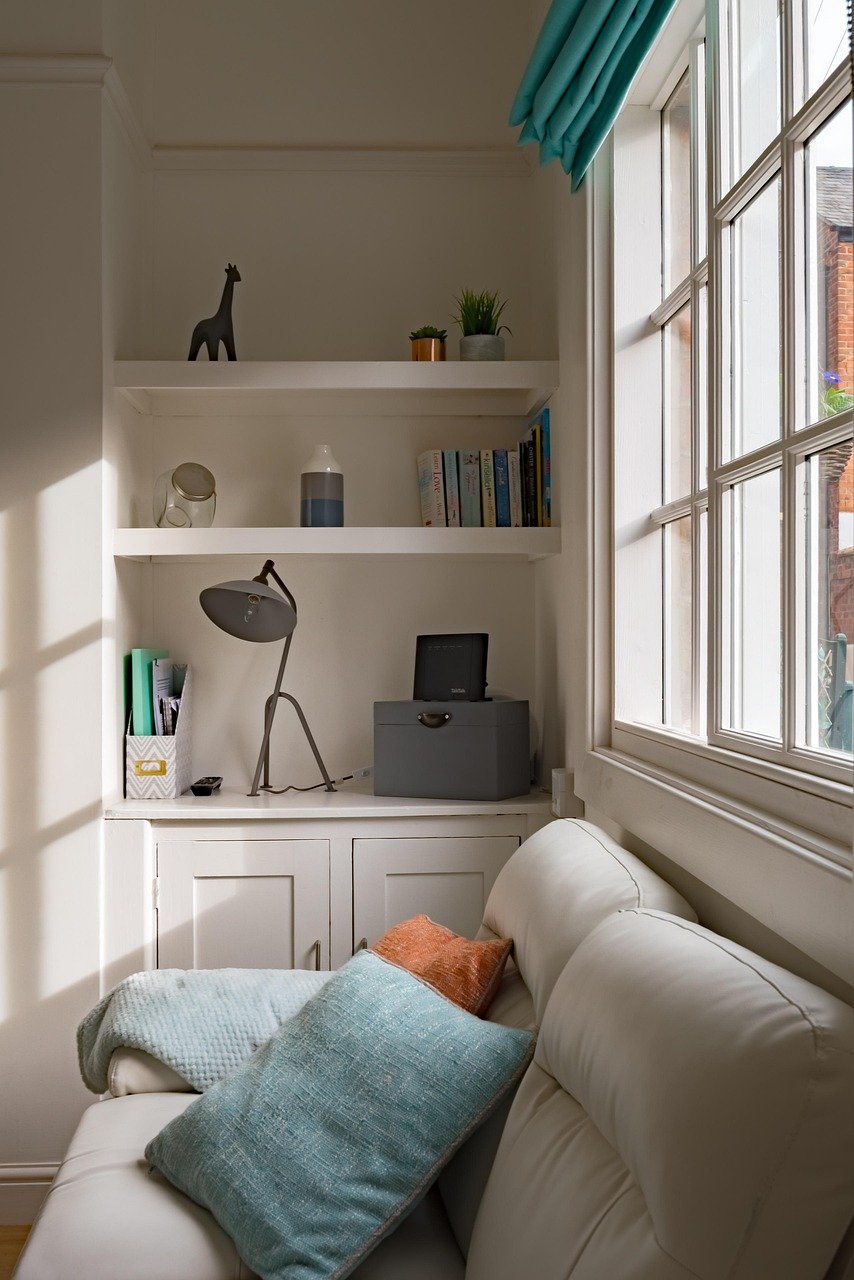
A calm home isn’t about control. It’s about care.
Care for your body.
Care for your energy.
Care for the version of you who walks through the door at the end of the day.
This isn’t a pass–fail situation. Your home doesn’t need to be finished, fixed, or flawless to support you. Even one small shift—softer light, a cleared surface, a place to sit and breathe—can tell your nervous system, you’re safe here.
Take a moment and notice where your body relaxes just a little.
That’s your starting point.
If something here resonated, save it for later, share it with a friend who could use a softer landing, or choose one small change to try this week. No overhauls. No pressure. Just care, practiced gently, right where you are.

